
 AUS
AUS
 NZ
NZ
 UK
UK
 CA
CA
 USA
USA
 IND
IND





Highlights
- Tourmaline Oil Corp. (TSX:TOU) is one of Canada’s largest oil and gas producers.
- Operates in the Western Canada Sedimentary Basin, a key energy-producing region.
- Performance is influenced by the S&P/TSX Composite Index and S&P/TSX 60.
Tourmaline Oil Corp. (TSX:TOU) is one of Canada’s largest and most established natural gas and crude oil producers, specializing in the acquisition, exploration, and development of energy resources within the Western Canada Sedimentary Basin. This region is known for its rich reserves of oil and natural gas, and Tourmaline Oil Corp. has solidified its position as a dominant force in this space.
As part of Canada’s energy landscape, Tourmaline operates a vast network of energy-producing assets, focusing on sustainable resource extraction and efficiency. This includes both natural gas and crude oil exploration projects, which are critical to meeting the country’s energy demands. The company plays a significant role in the North American energy supply chain, contributing both to Canada’s energy independence and the global energy market. As a part of the TSX Composite Index, Tourmaline’s performance is closely tied to broader market trends, reflecting the company’s position within the key energy sector of Canada’s economy.
However, Tourmaline's performance is not solely dependent on its operational expertise. Broader economic trends, including fluctuations in energy prices, global demand for oil and natural gas, and changes in government regulations, significantly impact its overall performance. Tourmaline Oil Corp. is part of the S&P/TSX Composite Index, making it susceptible to changes in this key benchmark that reflects the performance of major Canadian companies.
How Do Economic Trends Impact Tourmaline Oil Corp.?
Economic factors such as consumer spending, industrial production, and global demand for energy commodities all play a role in shaping Tourmaline’s revenue and overall performance. During periods of strong economic growth, demand for energy generally rises, leading to higher oil and natural gas consumption. This can drive up prices, benefiting companies like Tourmaline Oil Corp., which depend on high demand for their products.
Conversely, during economic slowdowns, reduced industrial activity and consumer spending can result in lower energy consumption, putting downward pressure on commodity prices. The S&P/TSX Composite often reflects these economic shifts, as its performance includes energy sector stocks, and any fluctuations can indirectly impact the performance of companies like Tourmaline.
What Role Does Tourmaline Oil Corp. Play in the Energy Transition?
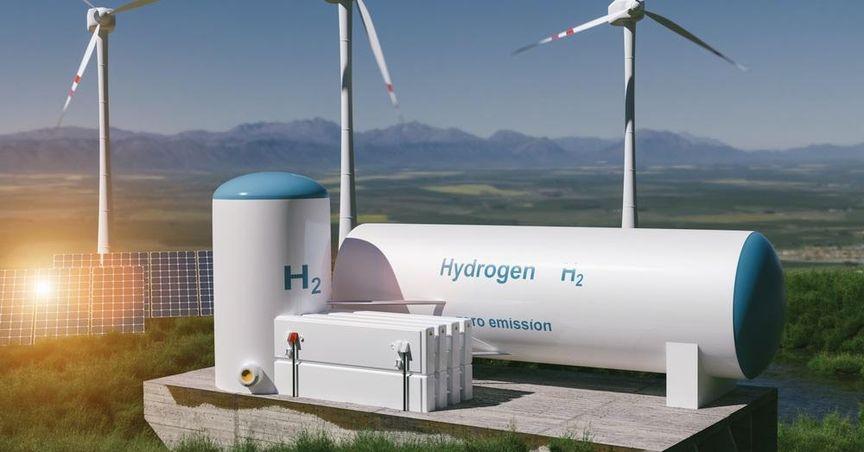
The energy transition toward more sustainable and renewable sources of energy is a major global trend, and energy companies like Tourmaline Oil Corp. (TSX:TOU) face increasing pressure to balance traditional oil and gas production with sustainable practices. While natural gas is often seen as a bridge fuel in the transition to renewable energy, companies in the energy sector, including Tourmaline, must consider the environmental impact of their operations.
Tourmaline has made efforts to adapt to these changes by focusing on sustainability initiatives and enhancing the efficiency of its operations. As part of the S&P/TSX Composite Index, the company’s performance is increasingly scrutinized in light of its environmental footprint. Sustainable practices, such as minimizing carbon emissions and reducing flaring, have become important factors in gaining confidence. As public and governmental scrutiny of environmental issues increases, companies like Tourmaline must be prepared to make the necessary adjustments to their operations to meet new environmental regulations.
Furthermore, the growing demand for cleaner energy solutions has prompted many oil and gas companies to explore carbon capture technologies, renewable energy investments, and more energy-efficient practices. However, the pace of this transition and the company’s ability to diversify into alternative energy solutions will play a key role in determining how it performs in the evolving energy market.
How Do Commodity Prices Impact Tourmaline Oil Corp.?
Commodity prices, particularly for oil and natural gas, have a direct impact on the financial performance of Tourmaline Oil Corp. The company’s revenue is highly sensitive to fluctuations in these prices, as energy commodities are traded on global markets and influenced by various factors, including geopolitical events, supply and demand, and the global economic landscape.
A rise in commodity prices typically benefits companies like Tourmaline, leading to higher revenue and increased profitability. Conversely, a decline in commodity prices can reduce the company's margins, even if production volumes remain consistent. Tourmaline Oil Corp., as part of the s&p 500 tsx composite index, is affected by market movements that can impact sentiment in the broader energy sector.
Global geopolitical events, such as changes in the policies of major oil-producing countries, can lead to volatility in commodity prices, and these fluctuations can trickle down to affect companies like Tourmaline. For instance, OPEC decisions on production quotas, natural disasters affecting oil supply chains, or political instability in key energy-producing regions can create price swings, which directly influence Tourmaline’s financial outlook.
How Does Government Policy and Regulation Affect Tourmaline Oil Corp.?
Government policies and regulations play a significant role in shaping the operating environment for companies in the energy sector. Tourmaline Oil Corp. must comply with a range of local, provincial, and federal regulations governing energy extraction, environmental protection, and resource management. Changes in government policy related to environmental concerns, such as the implementation of stricter carbon emissions standards, can lead to increased operating costs for Tourmaline. Additionally, shifts in energy policy, such as subsidies for renewable energy or changes in tax policies for oil and gas companies, could alter the company’s financial strategies and capital allocation decisions.
As part of the s&p tsx composite index, Tourmaline’s performance is also tied to broader market shifts in response to government actions and regulatory frameworks. For example, if the Canadian government introduces stricter environmental policies, it may raise concerns about the long-term profitability of traditional energy companies, which could affect overall performance.
How Do Global Events Impact Tourmaline Oil Corp?
Tourmaline Oil Corp.’s operations are not limited to the domestic Canadian market. The company’s energy products are part of a global supply chain, and global economic and geopolitical events can have a profound impact on its performance. For instance, trade tensions, sanctions, or conflicts in key oil-producing regions could disrupt supply chains and affect energy prices. These disruptions could reduce global demand or introduce uncertainty into the market, leading to price volatility.
Given the interconnectedness of the global energy market, geopolitical risks, such as changes in trade agreements, political unrest, or conflicts in energy-producing regions, can directly influence Tourmaline’s overall performance. The company’s ability to navigate these risks and maintain stable operations in the face of geopolitical uncertainty will play a role in its long-term success.
How Is Tourmaline Oil Corp. Positioned for Growth in the Energy Sector?
Tourmaline Oil Corp.’s ability to adapt to changing market conditions and industry trends is key to its continued success in the energy sector. The company is well-positioned in the Western Canada Sedimentary Basin, which remains a significant resource base for oil and natural gas production in North America. As the demand for energy continues to grow, Tourmaline is poised to capitalize on these trends by expanding its production capabilities and focusing on technological innovations to enhance efficiency. As part of the s and p tsx 60 , Tourmaline's performance is also influenced by broader market movements and economic conditions that impact the energy sector.
Moreover, the company's diversification into natural gas provides it with a stable revenue stream, given natural gas’s role as a cleaner alternative to coal in power generation. As energy transition policies evolve, companies like Tourmaline that focus on natural gas production and cleaner energy solutions may benefit from favorable policy shifts that align with broader global environmental goals.
Tourmaline Oil Corp. is a critical player in Canada’s energy sector, with a strong presence in the Western Canada Sedimentary Basin. The company’s performance is closely tied to broader economic and geopolitical factors, as well as regulatory changes that shape the energy industry. As part of the s&p composite index, Tourmaline’s performance is influenced by the broader market, providing a clearer picture of the company’s position relative to other major Canadian firms. By staying agile in response to market trends and focusing on sustainability, Tourmaline is well-positioned for long-term growth in the evolving energy landscape.
