
 AUS
AUS
 NZ
NZ
 UK
UK
 CA
CA
 USA
USA
 IND
IND





Highlights
- Tidewater Midstream and Infrastructure traded higher during a Tuesday session alongside heavier activity than typical mid-day turnover
- Recent commentary from major Canadian brokerages has leaned cautious, with mixed views and limited enthusiasm
- The business remains focused on Canadian midstream services tied to natural gas liquids, refined products, and storage logistics across North America
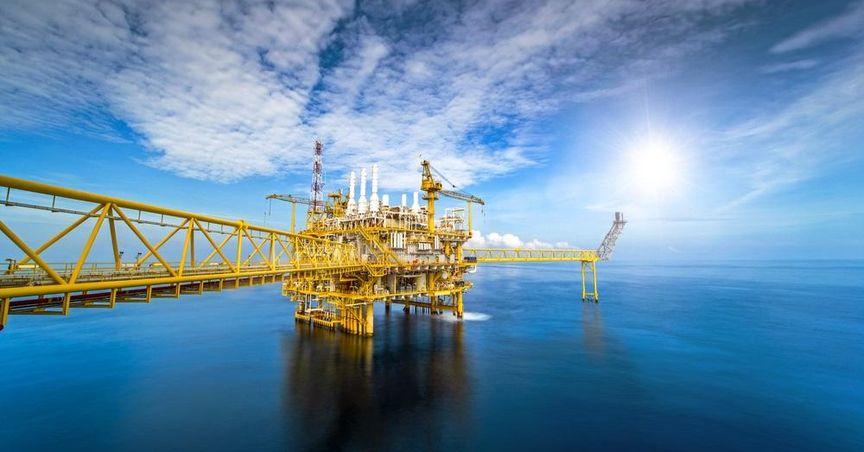
The Canadian energy midstream sector connects upstream production to downstream demand through gathering systems, processing facilities, pipelines, storage, and product logistics.
Tidewater Midstream and Infrastructure (TSX:TWM) is part of Canada’s energy midstream space, helping move and manage natural gas liquids and related products. Operations are influenced by commodity movement patterns, network capacity, and end-user demand from industrial customers and international shipment routes.
What defines this midstream sector?
Midstream businesses are built around infrastructure and logistics rather than drilling or retail fuel sales. Core activities often include gathering raw gas from producing regions, processing it to remove impurities, extracting valuable components, and transporting liquids and refined products through pipelines, trucks, rail, or terminal networks. Storage is also central, helping balance seasonal swings, shipping schedules, and regional supply constraints.
In Canada, midstream operators frequently work across long distances and variable weather, serving both domestic hubs and export-linked corridors. Their performance can be influenced by throughput levels, product mix, operational reliability, and access to markets. The sector also faces stringent safety, environmental, and regulatory expectations, which shape maintenance practices and capital planning.
What does Tidewater primarily do?
Tidewater Midstream and Infrastructure (TSX:TWM) is a Canadian company engaged in midstream infrastructure and natural gas storage services. The business is tied to natural gas liquids such as propane and natural gasoline, with activity spanning North America and connections to premium market destinations through established logistics pathways.
Operations cover multiple stages of the midstream chain. Activities include raw gas gathering systems, processing plants and pipelines, natural gas liquids marketing and extraction, and refined products involvement alongside other related segments. This mix reflects a model that combines physical assets with marketing and logistics capabilities, aiming to move products efficiently while meeting specifications required by end users and distribution partners.
What happened during trading Tuesday?
During a Tuesday session, Tidewater Midstream and Infrastructure (TSX:TWM) traded higher, with activity that exceeded the usual mid-day pace. In practical terms, that kind of session typically reflects a shift in near-term sentiment or a reaction to market positioning, sector moves, or company-specific attention.
Heavier turnover can occur for many reasons without implying a lasting directional move. Common drivers include broad energy-sector momentum, rotation between small-cap and large-cap names, technical trading around recent ranges, or responses to recent corporate disclosures that remain in circulation among market participants. The session’s tone pointed to improved demand for shares during the trading window described.
What influences day-to-day moves?
Daily movement in a midstream name can be shaped by energy complex headlines, shifts in North American liquids demand, or changes in transportation economics such as rail availability or pipeline scheduling. Broader macro forces, including currency swings and changes in credit conditions, can also affect Canadian midstream operators, especially those with meaningful leverage or refinancing needs.
Company-specific elements matter as well. Operational updates, plant reliability, maintenance scheduling, and commercial arrangements tied to throughput and product handling can all influence short-term trading. Even without new announcements, market participants may adjust positioning based on sector narratives, peer performance, or changing expectations for liquids flows through key regions.
How do brokerages frame views?
Recent commentary from large Canadian brokerages has leaned cautious overall, with mixed views that include neutral stances and at least one more negative posture. Commentary of this type generally reflects a blend of operating performance, balance-sheet considerations, and expectations around how reliably the asset base can deliver stable service outcomes across varying market conditions.
Brokerage commentary can also shift when firms update assumptions about utilization, margins in marketing activities, maintenance timing, or capital needs. While such commentary is widely followed, it represents external viewpoints rather than company guidance. For readers, the key factual takeaway is that recent brokerage tone has not been uniformly supportive, suggesting a market narrative that remains contested.
What do financial metrics show?
The company has reported losses in recent results, along with negative profitability measures and a challenging return profile in the period referenced. Revenue has been substantial in relation to its market size, which is not unusual for midstream and marketing-linked models where large volumes can pass through the top line while margins fluctuate based on mix and market conditions.
Balance-sheet posture is an important contextual element for infrastructure-heavy businesses. Tidewater (TSX:TWM) has carried meaningful leverage, and liquidity measures reflect a need for disciplined working-capital management. In midstream operations, leverage can amplify outcomes when conditions improve, but it can also constrain flexibility when markets tighten or when facilities require unplanned downtime and repair.
How do assets support operations?
Midstream value is often rooted in physical assets that keep products moving: gathering lines, processing plants, pipelines, terminals, storage caverns, and connectivity to buyers. Tidewater’s business description highlights gathering, processing, transportation, and storage, combined with marketing and extraction activities tied to natural gas liquids and refined products.
This blend suggests a model that can span both fee-like infrastructure services and more market-linked activities such as marketing, where outcomes can vary with spreads, product availability, and logistics constraints. Operational execution matters: reliability, safety performance, scheduling discipline, and relationships with counterparties can shape both reputation and commercial success.
What products drive revenue mix?
Natural gas liquids are central to the business profile. Products such as propane and natural gasoline serve diverse demand streams, including heating, industrial use, petrochemical feedstocks, blending components, and export-linked channels depending on logistics connectivity and regional market conditions.
Refined products involvement adds another layer, often tied to distribution, storage, or blending services depending on the asset footprint and commercial approach. For midstream operators, product mix can influence exposure to seasonal patterns and regional supply-demand imbalances. The ability to move product to premium destinations can support realizations, but it also depends on reliable logistics and market access.
What should readers watch next?
For Tidewater Midstream and Infrastructure (TSX:TWM), key factual signposts include company updates on plant uptime and operating reliability, volumes moving through gathering and processing systems, and any revised commercial terms tied to storage, transportation, or liquids services. Maintenance schedules, integrity work, and regulatory compliance disclosures can also shape how the market reads ongoing execution within the Canadian energy midstream sector.
Financial disclosures can also clarify balance-sheet direction, funding flexibility, and how working capital is managed across volatile commodity-linked periods. In addition, the broader Canadian midstream backdrop—liquids supply trends, export corridor utilization, and regional demand patterns—can influence near-term attention on companies with meaningful natural gas liquids exposure.
