
 AUS
AUS
 NZ
NZ
 UK
UK
 CA
CA
 USA
USA
 IND
IND






Highlights
- Tenaz Energy operates within the global oil and natural gas exploration and production sector.
- Operational assets extend across Canada and offshore regions in the Netherlands.
- Activity surrounding energy companies often aligns with benchmarks such as the Tsx Small cap Index.
Canada’s energy industry includes exploration and production companies that develop hydrocarbon resources across domestic and international regions. Tenaz Energy Corp. operates within this sector through activities focused on oil and natural gas extraction and development. Energy producers operating within this segment often appear in discussions connected with market benchmarks such as the Tsx Small cap Index, a benchmark reflecting emerging companies across diverse sectors including energy, industrial production, and materials. The presence of resource producers in such benchmarks highlights the continuing importance of hydrocarbon development within Canada’s broader industrial landscape.
Tenaz Energy Corp. (TSX:TNZ) maintains a portfolio of oil and natural gas assets located in Canada and Europe. These assets include domestic energy operations in Alberta along with offshore gas resources located in the Dutch sector of the North Sea. Through these projects, the organization participates in the exploration, development, and production of petroleum resources that form part of the global energy supply network.
Foundations of Oil and Gas Exploration
Oil and natural gas exploration involves a series of technical processes designed to identify and develop hydrocarbon reservoirs beneath the earth’s surface. Exploration activities often begin with geological surveys and seismic mapping programs used to locate underground formations containing hydrocarbons.
Once geological formations indicate the presence of oil or natural gas deposits, drilling programs are initiated to confirm the structure and characteristics of the reservoir. Exploratory wells provide important information regarding reservoir pressure, hydrocarbon composition, and recoverable resource quantities.
Development programs follow the confirmation of viable reservoirs. These programs involve installation of infrastructure required to extract hydrocarbons from the formation and transport them toward processing facilities. Such infrastructure includes drilling rigs, well pads, pipelines, and separation equipment used to prepare hydrocarbons for transportation through broader energy distribution networks.
Domestic Energy Operations in Alberta
Domestic oil operations associated with Tenaz Energy occur within central Alberta, an area known for its long history of petroleum exploration and development. Geological formations in this region form part of the Western Canadian Sedimentary Basin, which contains extensive deposits of crude oil and natural gas.
Production activity in this area includes semi conventional oil development within formations belonging to the Upper Mannville geological group. Extraction of hydrocarbons from these formations involves drilling wells into targeted reservoirs where oil flows through porous rock toward the wellbore.
Once hydrocarbons reach the surface, separation facilities divide oil, gas, and associated fluids before the hydrocarbons enter pipeline transportation systems. These pipelines move production toward refineries or distribution hubs where petroleum products undergo further processing.
Operations in central Alberta benefit from an established network of energy infrastructure. Pipeline systems, storage facilities, and transportation networks support the movement of hydrocarbons from production sites toward regional and international markets.
Offshore Natural Gas Resources in the North Sea
In addition to domestic energy projects, Tenaz Energy Corp. (TSX:TNZ) maintains offshore natural gas assets located within the Dutch sector of the North Sea. Offshore hydrocarbon development requires specialized infrastructure designed to operate in marine environments where reservoirs exist beneath the seabed.
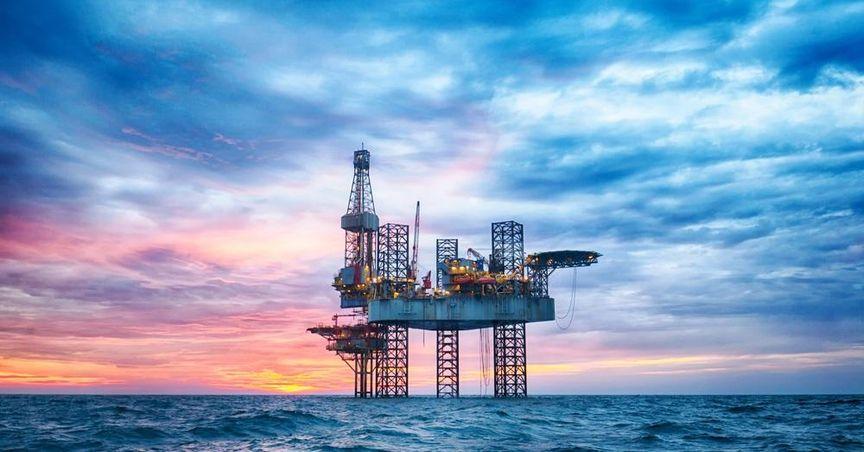
Offshore drilling platforms provide the operational base for extraction activities. Wells extend downward through seabed formations into hydrocarbon reservoirs located beneath layers of sedimentary rock. Once natural gas is extracted from the reservoir, it travels through subsea pipelines connecting offshore platforms with onshore processing facilities.
Processing facilities remove water vapor, impurities, and hydrocarbon liquids before the natural gas enters transmission pipelines that distribute the resource across regional energy networks. Offshore natural gas production contributes to the broader European energy system, supporting industrial and residential consumption.
The North Sea has long served as an important energy producing region, hosting offshore fields operated by numerous energy companies. Production activities in this region require advanced engineering systems designed to withstand marine weather conditions and maintain operational continuity.
Infrastructure Supporting Energy Development
Energy extraction from oil and natural gas reservoirs relies on an extensive network of infrastructure connecting production sites with transportation and processing systems. Key infrastructure elements include drilling rigs, gathering pipelines, processing facilities, and storage systems.
Gathering pipelines transport hydrocarbons from individual wells toward central processing facilities where separation processes occur. Crude oil, natural gas, and associated liquids follow distinct pathways within the energy supply chain after separation.
Crude oil typically moves through pipeline networks toward refining centers, while natural gas enters transmission pipelines delivering energy to industrial facilities, electricity generation plants, and residential markets. Natural gas liquids separated during processing may serve as feedstock for petrochemical manufacturing and fuel production.
Technological developments within the energy sector have improved efficiency in exploration and extraction activities. Advanced seismic imaging, horizontal drilling techniques, and digital reservoir modeling tools enable more accurate identification and development of hydrocarbon reservoirs.
Energy Sector Representation in Market Benchmarks
Resource producers operating within Canada often appear in market benchmarks tracking companies across diverse industries. The Tsx Smallcap Index includes corporations operating in sectors such as energy, materials, industrial production, and technology.
Energy companies represented within such benchmarks reflect the importance of petroleum and natural gas resources within the Canadian industrial structure. Oil and gas development contributes to supply chains supporting transportation fuels, manufacturing processes, and energy generation.
Hydrocarbon extraction projects connect upstream exploration companies with midstream transportation networks and downstream refining or processing facilities. This integrated structure forms a complex energy ecosystem that supports industrial activity across multiple regions.
