
 AUS
AUS
 NZ
NZ
 UK
UK
 CA
CA
 USA
USA
 IND
IND






Highlights
- Overview of Tamarack Valley Energy within the Canadian upstream energy sector
- Description of operational focus, asset base, and development approach
- Context linking company activity to the broader Canadian equity benchmark
Tamarack Valley Energy overview describing upstream energy activities, operational structure, and sector positioning connected to the S&P TSX Index within the Canadian energy landscape today.
The upstream oil and gas sector in Canada includes exploration, development, and production activities that support domestic energy supply. Tamarack Valley Energy Ltd. (TSX:TVE) operates within this segment, concentrating on light oil development and resource optimization across Western Canada. The company is associated with the S&P TSX Index, a widely referenced Canadian benchmark often described as the s&p tsx composite and the s and p tsx index. Sector participants focus on efficient field development, infrastructure utilization, and reservoir management as central elements of operations.
Core Operations and Asset Portfolio
Tamarack Valley Energy Ltd. (TSX:TVE) maintains a portfolio centered on conventional oil and gas assets characterized by repeatable drilling opportunities and established infrastructure corridors. Operational activity emphasizes horizontal drilling, waterflood techniques, and field optimization practices designed to support consistent production profiles. Asset concentration within select geographic regions allows operational teams to coordinate logistics, equipment deployment, and facility management with a focus on efficiency.
Upstream energy companies frequently structure development programs around geological mapping, reservoir characterization, and staged drilling campaigns. Tamarack Valley Energy Ltd. (TSX:TVE) aligns these practices with field-level planning that integrates seismic interpretation and production monitoring. This framework reflects broader industry methods where data-driven reservoir understanding informs drilling placement and completion strategies.
Development Strategy and Field Execution
Execution in the upstream sector depends on disciplined project sequencing and coordination among drilling, completion, and production teams. Tamarack Valley Energy Ltd. (TSX:TVE) applies pad drilling concepts and shared infrastructure layouts to streamline field activity. These approaches reduce surface disturbance while supporting centralized processing and transportation systems.
Waterflood development, a technique used to maintain reservoir pressure and enhance recovery, forms part of the operational toolkit across many Canadian oil fields. Tamarack Valley Energy Ltd. (TSX:TVE) incorporates such methods where geological conditions support sustained reservoir performance. Field execution involves continuous monitoring of well behavior, fluid movement, and facility throughput, ensuring alignment between subsurface conditions and surface operations.
Infrastructure and Operational Integration
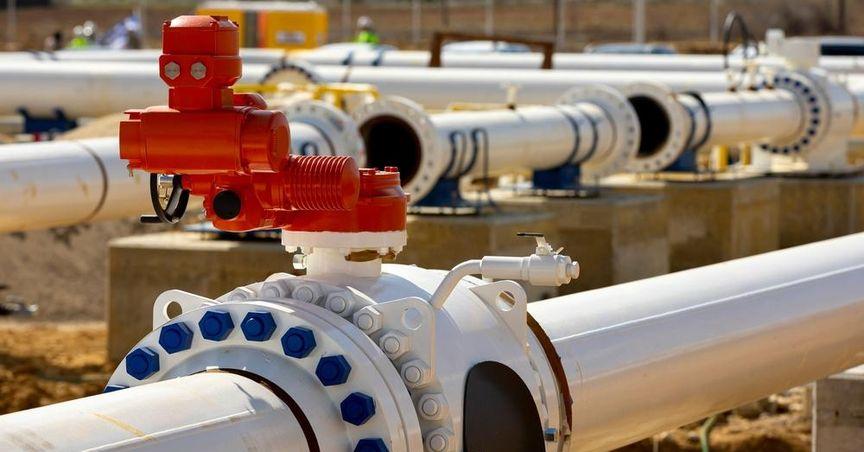
Energy production requires coordinated infrastructure, including gathering systems, processing facilities, and transportation connections. Tamarack Valley Energy Ltd. (TSX:TVE) operates within established regional networks that enable movement of produced volumes to downstream markets. Facility integration includes separation equipment, compression systems, and storage components designed to handle varying production streams.
Operational integration extends to maintenance scheduling, environmental management, and regulatory compliance. Industry standards guide inspection routines, emissions monitoring, and land stewardship practices. Tamarack Valley Energy Ltd. (TSX:TVE) functions within these frameworks, reflecting sector-wide emphasis on operational reliability and environmental oversight.
Market Context and Sector Characteristics
Canadian upstream energy activity is shaped by commodity cycles, infrastructure access, and regional geology. Companies active in this environment often prioritize asset concentration, cost discipline, and technical refinement. Tamarack Valley Energy Ltd. (TSX:TVE) operates within this landscape, where production planning is closely linked to reservoir behavior and facility capacity.
Association with the S&P TSX Index connects company activity to a diversified group of Canadian issuers spanning multiple industries. Within the s&p tsx ecosystem, energy producers contribute to representation of natural resource development. This context situates Tamarack Valley Energy Ltd. (TSX:TVE) alongside peers engaged in exploration, drilling, and field management across Canada.
Technical Practices and Reservoir Management
Reservoir management combines geological interpretation, production data review, and engineering design to support sustained field performance. Tamarack Valley Energy Ltd. (TSX:TVE) applies subsurface modeling and performance tracking to guide well placement and completion design. These practices align with industry standards where continuous data collection informs operational adjustments.
Surface operations integrate automation, monitoring systems, and safety protocols that govern equipment performance and personnel procedures. Energy facilities rely on coordinated inspection cycles and maintenance planning to sustain throughput and operational continuity. Tamarack Valley Energy Ltd. (TSX:TVE) operates within these technical frameworks, reflecting common practices across Canadian upstream development.
Environmental and Regulatory Framework
Energy development in Canada functions under structured environmental and regulatory oversight. Operators adhere to requirements covering land use, emissions management, and site reclamation. Tamarack Valley Energy Ltd. (TSX:TVE) conducts activities within established guidelines that address environmental protection and operational accountability.
Industry participation includes engagement with regional authorities, adherence to reporting standards, and implementation of mitigation measures where required. Environmental stewardship programs emphasize responsible resource development alongside operational continuity. These frameworks shape planning and execution across the upstream sector.
