
 AUS
AUS
 NZ
NZ
 UK
UK
 CA
CA
 USA
USA
 IND
IND






Highlights
- Suncor Energy operates across oil sands, offshore, and refining sectors.
- Analysts have raised price targets while maintaining positive guidance on the company.
- The company maintains a strong market position in the TSX 60 and S&P TSX Composite Index.
Suncor Energy is a major entity in Canada’s energy landscape, focusing on oil sands development, offshore oil and gas, petroleum refining, and retail and wholesale distribution. The company combines upstream.
How Has Suncor Movement Been
Suncor Energy (TSX:SU) has maintained a high level of trading activity on the Toronto Stock Exchange. Shares opened with a notable market price reflecting its strong positioning within the TSX Composite Index and TSX 60. The company’s trading indicators, including moving averages and volatility metrics, highlight stability relative to peers in the energy sector. Market participants have observed trends in its trading behavior, reflecting broader dynamics in oil and gas markets.
What Are Analysts Reporting On Suncor
Several brokerage groups have recently updated their outlooks on Suncor Energy. Notable updates include increases in assessed values and evaluations of company performance metrics. These updates suggest confidence in Suncor’s ability to maintain operational efficiency and growth in output. While exact numbers vary across reports, the consensus indicates upward movement in assessed valuation levels for the company’s shares. Analysts have consistently highlighted the firm’s market position and operational scale in Canada.
Which Operational Metrics Define Company Strength
Suncor Energy exhibits various operational indicators that outline its business framework. The firm’s ratio of current assets to current obligations reflects moderate liquidity. Its leverage level indicates balanced use of long-term financing compared to equity. Beta statistics demonstrate that the company’s share price exhibits less volatility than broader markets, including the S&P TSX Composite Index. Such metrics provide a snapshot of the company’s financial positioning relative to other participants in Canada’s energy sector.
What Are Recent Trading Events Noted
Recent trading transactions by major shareholders have affected share distributions in the company. Some shareholders have decreased their holdings substantially over the past quarter. These actions indicate changes in stock allocation among company insiders without implying broader market trends. Transaction volumes and average transaction prices give insight into the liquidity and market dynamics affecting Suncor Energy’s shares.
How Does Refining And Distribution Operate
Suncor Energy (TSX:SU) operates refining facilities in Canada and abroad. The company’s retail network provides extensive coverage through various distribution points. Upgrading of crude resources into marketable products forms a core element of its operations. Distribution channels include both direct sales and third-party partnerships, ensuring supply chain continuity. The integration of upstream and downstream functions allows the company to control production quality and efficiency across all stages.
Why Offshore Operations Matter Strategically
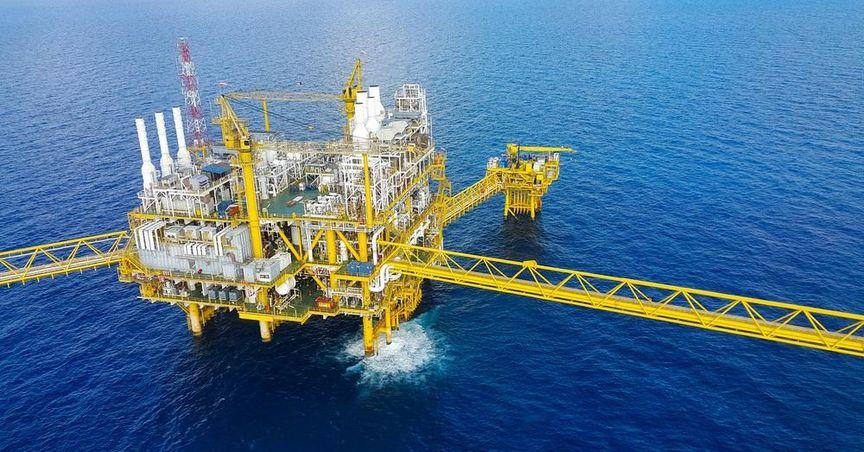
Offshore operations complement Suncor’s oil sands and refining activities. Exploration and extraction in offshore regions contribute to the company’s total production volume. Technology implementation and project management in offshore sites have allowed for operational stability. Environmental measures are incorporated in extraction processes to align with regulatory frameworks and community expectations. Offshore contributions form a critical part of overall output for Suncor Energy.
Which Indicators Reflect Market Positioning
Market positioning can be observed through comparative indices like the S&P Composite Index and the S&P 500 TSX Composite Index. Suncor Energy holds a prominent standing within these benchmarks due to its integrated operations and production scale. Trading patterns relative to these indices provide insight into sectoral alignment and performance resilience in the energy market.
How Does Operational Scale Impact Efficiency
Operational scale plays a central role in resource management and production efficiency. Suncor Energy’s integration across extraction, upgrading, and distribution enhances cost efficiency. The company has developed processes to optimize resource utilization and minimize operational waste. These efficiencies influence trading evaluations and provide a baseline for market confidence in ongoing production capabilities.
What Are Energy Transition Efforts Involved
Suncor Energy (TSX:SU) has integrated energy transformation initiatives into its operational strategy. Efforts include exploration of low-emission fuels, renewable alternatives, and hydrogen production. These initiatives form part of the broader movement toward reduced emissions and sustainable energy output. Operational focus on energy transformation complements traditional oil and gas activities while reflecting broader industry trends in Canada and globally.
Which Metrics Measure Operational Performance
Several metrics can indicate operational performance, including asset turnover, refining throughput, and output per operational site. These indicators provide clarity on production capacity, efficiency, and scalability. Suncor Energy reports and evaluates these metrics regularly to ensure alignment with production standards. Measurement of operational performance is crucial in maintaining sectoral relevance and competitiveness.
How Is Market Capitalization Determined
Market capitalization reflects the total valuation of Suncor Energy’s shares listed on the Toronto Stock Exchange. It is influenced by share price fluctuations, market participation, and trading volume. The company’s capitalization places it among Canada’s top energy firms, illustrating the scale of its operations. Comparisons with S&P TSX 60 constituents provide insight into relative market positioning and influence.
What Role Do Liquidity Ratios Play
Liquidity ratios indicate the ability to meet short-term obligations with available assets. Suncor Energy’s (TSX:SU) current ratio and quick ratio demonstrate a balanced financial stance in relation to obligations. These ratios are relevant for understanding operational stability and day-to-day functionality within the market. They provide an analytical lens for assessing short-term resource allocation and operational management.
Why Beta Value Reflects Market Sensitivity
Beta value measures the sensitivity of Suncor Energy’s share price to broader market movements. A lower beta indicates less volatility relative to the market, suggesting stability in trading behavior. This value is monitored by market participants to gauge exposure to fluctuations in oil and gas prices and overall sector dynamics. Suncor Energy maintains a beta that reflects conservative volatility relative to Canadian energy peers.
Which Range Defines Market Dynamics
Share price movement over a defined period provides insight into market dynamics. Suncor Energy’s trading range reflects both sector trends and company-specific events. Price movement correlates with operational reports, macroeconomic indicators, and trading activity among major shareholders. Continuous monitoring of trading range informs understanding of market participation and liquidity for TSX:SU.
How Are Share Distribution Changes Recorded
Changes in share distribution among major holders impact total floating shares available for trading. Suncor Energy has experienced notable adjustments in holdings over recent months. Transaction values, frequency, and volume are indicators of the underlying dynamics affecting share distribution. These records are maintained to ensure transparency and clarity for market participants.
What Strategies Support Refinery Operations Efficiency
Suncor Energy’s refinery operations focus on maximizing throughput while maintaining product quality. Operational planning includes regular maintenance, upgrades, and resource allocation strategies. Coordination between extraction, refining, and distribution optimizes the supply chain. Efficiency strategies contribute to overall operational output and market recognition.
Which Indicators Show Offshore Contribution Levels
Offshore contribution levels are assessed based on production output and operational uptime. Suncor Energy’s offshore facilities provide a measurable proportion of total production. Maintenance schedules, technology implementation, and environmental adherence affect output consistency. Tracking these indicators helps gauge operational effectiveness across diversified locations.
Why Distribution Networks Affect Market Reach
Extensive distribution networks ensure that Suncor Energy’s products reach a wide market. Retail and wholesale channels provide comprehensive coverage for domestic and international distribution. Coordination of logistics, storage, and delivery enhances market penetration. Distribution efficiency directly supports operational sustainability and sector standing.
How Are Operational Projects Evaluated
Operational projects undergo rigorous evaluation to assess scalability, cost efficiency, and output. Suncor Energy (TSX:SU) applies performance metrics across various stages to monitor project success. Evaluation involves upstream extraction, refining throughput, and distribution outcomes. Continuous assessment ensures alignment with sector benchmarks and market expectations.
Which Energy Sources Complement Traditional Operations
Suncor Energy has incorporated renewable fuels and hydrogen alongside traditional oil and gas operations. Integration of these energy sources supports operational diversification and sector adaptation. These complementary sources reflect a broader strategic approach to energy management within Canada’s regulatory and market environment.
What Are Trading Volumes Indicating Market Activity
Trading volumes indicate market engagement with Suncor Energy shares. Higher volumes suggest active participation and liquidity. Analysis of volume trends over time provides insight into market sentiment and operational relevance. Trading activity is influenced by sector dynamics, company news, and overall market performance.
How Are Operational Costs Monitored
Operational costs are monitored through internal reporting and performance assessments. Suncor Energy tracks expenditure across extraction, refining, and distribution. Cost monitoring ensures operational efficiency and alignment with corporate objectives. Effective cost management contributes to the company’s standing in the TSX Composite Index and related benchmarks.
Which Regulatory Measures Affect Operations
Suncor Energy operates under strict regulatory frameworks that govern environmental compliance, safety standards, and operational approvals. Regulatory adherence ensures operational continuity and market credibility. The company integrates regulatory compliance into daily operations, impacting offshore, refining, and distribution activities.
Why Production Metrics Are Important
Production output metrics provide quantifiable data on operational effectiveness. Suncor Energy (TSX:SU) measures output across multiple sites and product lines. These metrics inform market assessments and operational adjustments. Output measurement supports long-term strategic planning and sector relevance.
How Technology Integration Enhances Operations
Technology integration in extraction, refining, and distribution enhances operational efficiency. Suncor Energy employs advanced methods for monitoring, data analysis, and process automation. Technological adoption supports both operational performance and environmental compliance. Continuous upgrades ensure alignment with industry standards and best practices.
What Role Does Market Indices Comparison Play
Comparison with indices such as TSX Composite Index, S&P TSX Composite Index, and S&P 500 TSX Composite Index provides insight into relative performance. Suncor Energy maintains a strong presence among benchmark constituents, reflecting sectoral strength. Index comparison helps contextualize market standing within Canada and globally.
