
 AUS
AUS
 NZ
NZ
 UK
UK
 CA
CA
 USA
USA
 IND
IND





Highlights
- Suncor Energy operates as an integrated energy company across upstream and downstream segments.
- Activities include oil sands development, refining, and distribution networks.
- The company’s scale aligns with major Canadian benchmarks such as the s and p 60.
Canada’s energy sector remains a cornerstone of industrial activity, linking resource extraction with refining and distribution systems. Within this framework, Suncor Energy Inc. functions as an integrated energy enterprise with operations spanning multiple stages of the hydrocarbon value chain. Large energy companies are often associated with major Canadian benchmarks such as the s and p 60, which reflects the presence of established corporations across sectors including energy, financial services, and industrial production. Inclusion of integrated energy firms within this benchmark highlights their role in supporting domestic and international energy supply systems.
Suncor Energy Inc. (TSX:SU) maintains a diversified operational structure encompassing oil sands development, offshore exploration, refining, and retail distribution. This integrated model connects upstream resource extraction with downstream processing and delivery, forming a comprehensive energy production and distribution network.
Oil Sands Development and Resource Extraction
Oil sands represent one of Canada’s most significant hydrocarbon resources, particularly within Northern Alberta. These deposits contain bitumen embedded within sand and rock formations, requiring specialized extraction techniques to recover the resource. Thermal recovery processes and surface mining operations are commonly employed depending on the depth and composition of the reservoir.
Suncor Energy operates within this environment through projects designed to extract and upgrade bitumen into usable petroleum products. Upgrading facilities play a central role by converting heavy hydrocarbons into lighter synthetic crude, which can then be transported through pipeline systems toward refining facilities.
Resource extraction from oil sands involves a combination of engineering systems, including drilling operations, steam generation facilities, and processing units. These systems function together to support continuous production from complex geological formations found in Alberta’s energy landscape.
Refining and Downstream Processing Operations
Beyond extraction, integrated energy companies maintain refining capabilities that convert crude oil into refined petroleum products. These products include fuels used in transportation, as well as materials required for industrial applications and chemical manufacturing.
Refining facilities process crude oil through a series of stages involving distillation, conversion, and treatment. Each stage separates hydrocarbons based on their chemical properties, producing outputs such as gasoline, diesel, and other refined fuels. This downstream activity ensures that extracted resources are transformed into usable energy products for end users.
Suncor Energy operates refining infrastructure in both Canada and the United States, connecting upstream production with downstream markets. These facilities form an essential part of the broader energy supply chain, linking raw resource extraction with final consumption.
Retail and Distribution Network
Energy distribution represents another key component of integrated operations. Retail and wholesale networks facilitate the delivery of refined petroleum products to consumers and businesses. Distribution systems include fuel stations, storage terminals, and transportation logistics designed to move products efficiently across regions.
Suncor Energy’s retail network operates under established branding that provides fuel distribution services across various locations. These networks connect refining output with end users, supporting transportation needs and industrial energy consumption.
Wholesale distribution channels supply fuels and related products to commercial clients, including transportation fleets, aviation services, and industrial operators. Through these systems, energy products reach a wide range of sectors within the economy.
Offshore Exploration and Global Operations
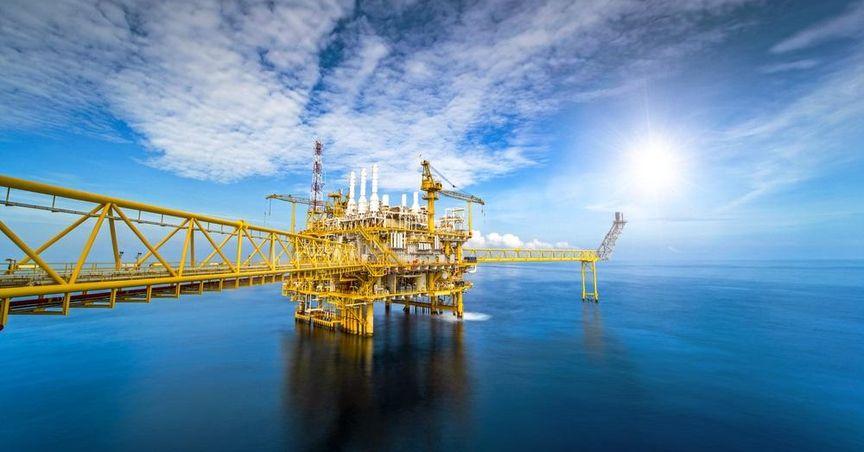
In addition to oil sands activities, integrated energy companies may participate in offshore exploration projects. Offshore operations involve extracting hydrocarbons from reservoirs located beneath the seabed, requiring specialized platforms and subsea infrastructure.
Suncor Energy (TSX:SU) maintains involvement in offshore oil and gas activities, contributing to a diversified production portfolio that extends beyond domestic oil sands operations. Offshore extraction systems include drilling platforms, subsea pipelines, and processing facilities designed to handle hydrocarbons in marine environments.
These operations complement onshore production by providing access to additional resource basins located outside traditional land based extraction zones. Offshore development expands the geographic scope of energy production while contributing to the overall supply of petroleum resources.
Transition Initiatives and Energy Diversification
Energy companies increasingly engage in initiatives related to emissions management and alternative energy development. Activities in this area may include renewable fuels, hydrogen technologies, and power generation systems aimed at reducing emissions associated with hydrocarbon production.
Suncor Energy participates in energy transition efforts through projects linked with renewable fuels and lower emission energy solutions. These initiatives operate alongside traditional hydrocarbon production, reflecting broader industry trends toward diversification within the energy sector.
Energy trading also forms part of operational activities, involving the marketing and distribution of crude oil, natural gas, refined products, and power. Trading functions support the movement of energy products across markets while aligning production output with demand across regions.
Role Within Canadian Energy Benchmarks
Large integrated energy companies contribute significantly to market benchmarks such as the S&P/Tsx 60. This benchmark includes corporations representing key sectors of the Canadian economy, with energy producers forming a notable component due to the scale of resource extraction and processing activities.
Energy production supports a wide range of economic functions, including transportation, manufacturing, and infrastructure development. The integration of upstream and downstream operations enhances the ability of energy companies to manage production flows and distribution systems across multiple stages of the value chain.
Through participation in these activities, integrated energy firms remain closely linked with the broader industrial framework represented within Canadian market benchmarks. The scale and scope of operations contribute to the representation of the energy sector within these indices.
