
 AUS
AUS
 NZ
NZ
 UK
UK
 CA
CA
 USA
USA
 IND
IND






Highlights
- Peyto Exploration focuses on natural gas exploration, development, and production activities.
- Operations involve acquiring reserves, developing energy resources, and managing production infrastructure.
- Energy producers are frequently discussed in relation to benchmarks such as the s&p composite index.
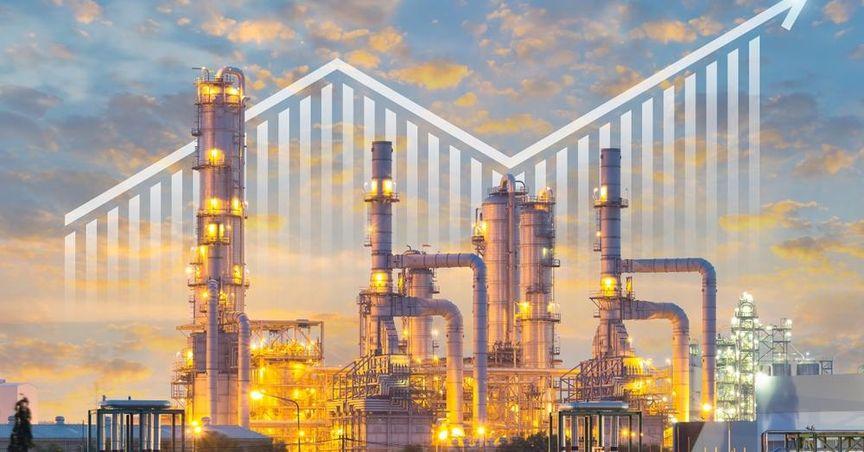
Peyto Exploration & Development (TSX:PEY) operates within this environment as a natural gas exploration and production company engaged in acquiring reserves, developing hydrocarbon resources, and managing extraction operations. Organizations operating in the energy sector often appear in discussions linked with benchmarks such as the s&p composite index, which reflects corporations operating across sectors including energy, financial services, telecommunications, and industrial production. Natural gas producers contribute to this environment by supplying fuel resources used for electricity generation, industrial processes, and residential energy consumption. Through exploration programs and development projects, energy companies identify resource deposits and construct infrastructure necessary to extract and transport hydrocarbons from underground formations to processing and distribution systems.
Natural Gas Exploration Activities
Exploration activities form the first stage in hydrocarbon development. Geological teams analyze underground formations using seismic surveys and geological mapping to identify potential natural gas deposits located beneath the earth’s surface.
Exploration programs often involve geological interpretation of subsurface rock structures that may contain natural gas reserves. These formations may include shale layers, sandstone reservoirs, or other geological structures capable of storing hydrocarbons within porous rock layers.
Once exploration studies identify potential resource locations, drilling operations may be initiated to confirm the presence of hydrocarbons. Exploratory wells allow engineers and geologists to evaluate whether underground formations contain commercially viable natural gas deposits.
Development of Hydrocarbon Reserves
Following exploration, development programs focus on constructing infrastructure necessary to extract natural gas from underground reservoirs. Development activities include drilling production wells, installing gathering systems, and establishing infrastructure that connects wells with processing facilities.
Drilling operations require specialized equipment capable of penetrating deep geological formations. Once drilling reaches hydrocarbon reservoirs, well completion processes prepare wells for production operations by installing equipment that allows natural gas to flow to the surface.
Production wells are connected to gathering systems consisting of pipelines that transport raw natural gas from well sites to processing facilities. These systems ensure that gas extracted from multiple wells can be collected and transported efficiently.
Natural Gas Production and Processing
Once wells become operational, natural gas flows from underground reservoirs through production infrastructure toward processing plants. Raw gas often contains impurities such as water vapor, carbon dioxide, or natural gas liquids that must be separated before gas can enter transmission systems.
Processing facilities remove impurities and stabilize gas composition before the fuel is delivered to pipeline networks. These facilities also separate natural gas liquids that can be used as feedstock for petrochemical production or other industrial applications.
Natural gas produced through these operations becomes part of broader energy supply systems. Gas delivered into transmission pipelines moves toward utilities, electricity generation plants, and industrial facilities that require reliable fuel sources.
Energy Producers and Market Benchmarks
Energy companies involved in hydrocarbon exploration and production are often discussed alongside benchmarks such as the tsx composite index, which reflects companies operating across industries including energy production, financial services, and industrial manufacturing.
Energy producers play an essential role within economic infrastructure by supplying hydrocarbons used for electricity generation, heating systems, transportation fuels, and industrial production processes. Natural gas remains a widely used fuel due to its role in power generation and industrial applications.
Within this environment, Peyto Exploration & Development Corp participates in natural gas exploration and production activities that contribute to energy supply networks across Canada. Hydrocarbon exploration companies operate within complex industrial systems involving geological exploration, drilling technology, infrastructure development, and energy transportation networks.
Infrastructure Supporting Energy Production
Energy production relies on extensive infrastructure that connects drilling operations with processing plants and pipeline networks. Production sites include drilling rigs, wellheads, gathering pipelines, and monitoring equipment that ensure safe extraction of hydrocarbons.
Pipeline networks transport natural gas from production sites to regional processing facilities and onward to transmission systems that deliver gas to utilities and industrial consumers. These pipeline systems form an important part of national energy infrastructure.
Operational monitoring systems track production levels, pipeline pressure, and equipment performance across production facilities. Engineers oversee maintenance activities to ensure that infrastructure remains reliable and safe during continuous production operations. Peyto Exploration & Development Corp (TSX:PEY) manages infrastructure designed to support exploration, development, and production of natural gas resources.
