
 AUS
AUS
 NZ
NZ
 UK
UK
 CA
CA
 USA
USA
 IND
IND






Highlights
- Methanol production and global chemical supply chains shape the company’s operations.
- Recent market activity drew attention following a sharp daily movement in company shares.
- Industrial demand for methanol continues to influence the broader chemical manufacturing sector.
Methanex Corporation global methanol production, industrial chemical demand, and manufacturing infrastructure developments highlight sector activity within the broader S&P TSX Index environment.
The global chemical manufacturing sector includes companies engaged in the production of industrial compounds used across energy, manufacturing, and transportation industries. Methanol producers play a key role in supplying a versatile chemical used in plastics, construction materials, fuels, and industrial solvents. Companies operating within this field often attract attention when market activity shifts or when operational updates emerge. Within Canada’s public equity landscape, chemical producers are frequently observed alongside broader benchmarks such as the S&P TSX Index, which reflects activity among major firms listed on the Toronto Stock Exchange. Among global methanol producers, Methanex Corporation has recently drawn attention following a notable daily movement in its shares that prompted renewed discussion regarding the company’s market standing and operational performance.
Methanol Production And Industrial Applications
Methanol represents a widely used chemical compound within industrial manufacturing. The substance functions as a fundamental feedstock for a variety of downstream products, including plastics, synthetic fibers, adhesives, and construction materials. Chemical manufacturers rely on methanol as a base input for production processes that support numerous consumer and industrial goods.
Methanex Corporation (TSX:MX) operates as a major producer and supplier of methanol to international markets. Production activities involve the conversion of natural gas into methanol through specialized industrial processes carried out at large-scale manufacturing facilities. These facilities are typically located near reliable energy resources or major transportation routes that support global distribution.
Industrial demand for methanol arises from multiple sectors. Automotive manufacturing utilizes methanol derivatives in plastics and synthetic materials. Construction industries rely on methanol-based products within insulation materials and coatings. Chemical processing facilities also incorporate methanol as a feedstock for the production of formaldehyde and other compounds used in manufacturing.
Manufacturing Facilities And Global Operations
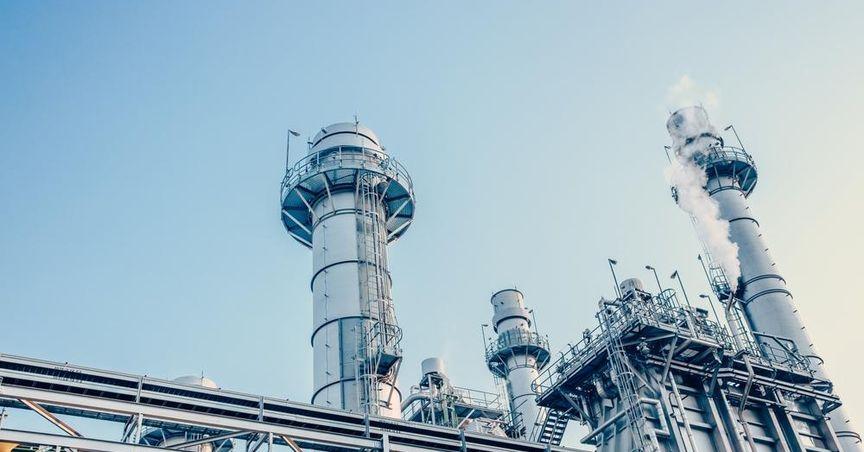
Methanol production facilities rely on complex industrial infrastructure designed to convert natural gas into chemical feedstock through catalytic processes. Production units generally include reformers, synthesis reactors, and purification systems that transform natural gas components into liquid methanol.
Facilities operated by Methanex Corporation are situated in regions with access to natural gas resources and shipping infrastructure. Coastal locations often allow efficient transportation of methanol through maritime trade routes connecting production sites with industrial consumers across international markets.
Operational management within chemical manufacturing plants includes monitoring production efficiency, maintaining equipment performance, and ensuring adherence to environmental and safety standards. Industrial facilities also rely on coordinated logistics systems to transport methanol from production units to export terminals or domestic distribution networks.
Chemical production infrastructure requires consistent supply of feedstock energy resources, reliable transportation systems, and stable industrial demand from downstream manufacturing sectors.
Market Attention Following Share Movement
Recent market activity drew attention to Methanex Corporation (TSX:MX) after a sharp movement occurred in company shares during a single trading session. Market fluctuations of this nature often attract attention across trading communities and industry observers, particularly when the movement follows a period of upward momentum.
Changes in market activity may occur for several reasons within the chemical manufacturing sector. Industrial demand cycles, developments related to production facilities, or changes in commodity markets connected to natural gas and chemical feedstocks may influence market sentiment toward chemical producers.
Publicly listed companies often experience periods of heightened attention following notable shifts in trading activity. These events can prompt renewed discussion about operational performance, industry conditions, and the broader environment surrounding chemical manufacturing.
Methanol Demand Across Industrial Sectors
Methanol plays a vital role across multiple industries due to its versatility as a chemical feedstock. Manufacturing sectors rely on methanol to produce formaldehyde, acetic acid, and other intermediate compounds used in construction materials, paints, coatings, and plastics.
Energy applications also represent an important dimension of methanol demand. In certain contexts, methanol may be used as a fuel component or as an input for energy-related chemical processes. This versatility contributes to steady industrial demand across various sectors of the global economy.
Industrial consumers often integrate methanol into large-scale production processes that convert chemical feedstocks into finished goods. These processes require stable supply chains linking methanol producers with manufacturing facilities located across global markets.
Within this environment, chemical producers must coordinate production capacity, feedstock supply, and transportation logistics to meet demand from diverse industrial clients.
Chemical Manufacturing And Market Benchmarks
Companies engaged in chemical production often appear within broader market benchmarks that track publicly listed firms across multiple industries. Benchmarks such as the s and p tsx index provide an overview of activity among companies listed on the Toronto Stock Exchange.
Industrial chemical producers contribute to this landscape through manufacturing operations, global distribution networks, and supply chain coordination with downstream industries. Developments within the chemical sector can therefore intersect with broader trends across manufacturing and resource-based industries.
Market benchmarks serve as indicators of overall market activity and sector participation. Chemical manufacturers represent an important component of industrial production within the Canadian market ecosystem.
