
 AUS
AUS
 NZ
NZ
 UK
UK
 CA
CA
 USA
USA
 IND
IND






Highlights
- Keyera operates as a midstream energy company focused on natural gas and liquids infrastructure.
- Operations include gathering, processing, storage, transportation, and marketing of hydrocarbons.
- Activity within this segment aligns with broader developments tracked by the Tsx Completion Index.
Canada’s midstream energy segment plays a critical role in connecting upstream production with downstream markets. Keyera Corp. (TSX:KEY) operates within this sector by managing infrastructure that supports the movement, processing, and storage of hydrocarbons across Western Canada. Companies involved in midstream operations are often associated with broader market indicators such as the Tsx Completion Index, which reflects a wide range of publicly listed firms across multiple sectors. The inclusion of energy infrastructure businesses within such benchmarks highlights their importance in maintaining continuity within Canada’s energy supply chain.
Keyera Corp. focuses on gathering and processing natural gas, transporting and storing natural gas liquids and crude oil, and marketing various hydrocarbon products. These operations form part of an integrated system that connects resource extraction sites with refining and distribution networks across Canada. Through these activities, the company contributes to the functioning of energy logistics within the country’s industrial framework.
Midstream Infrastructure in Western Canada
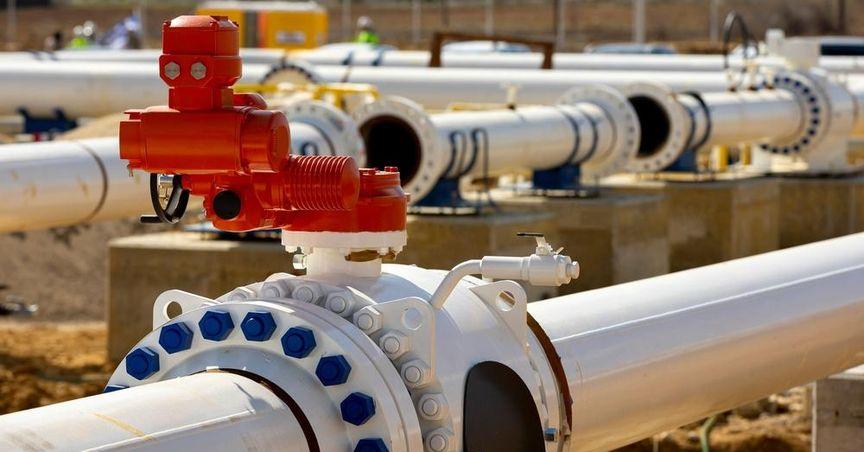
Midstream energy companies operate between upstream exploration and downstream refining segments. Their primary function involves managing the infrastructure required to move hydrocarbons from production sites to processing facilities and end markets. This infrastructure includes pipelines, storage facilities, processing plants, and blending systems.
Keyera maintains a network of natural gas gathering systems that transport raw gas from well sites to processing facilities. These gathering systems are essential for consolidating production from multiple wells and directing it toward centralized processing operations. Processing facilities remove impurities and separate natural gas into components such as methane and natural gas liquids.
The company’s operations are concentrated in Western Canada, a region known for extensive hydrocarbon production. The presence of significant natural gas and liquids resources in this area supports the need for robust midstream infrastructure capable of handling large volumes of production.
Natural Gas Processing and Liquids Handling
Natural gas extracted from reservoirs often contains a mixture of hydrocarbons and other substances that require separation before distribution. Processing plants play a central role in separating raw natural gas into marketable components. These facilities remove water vapor, carbon dioxide, and other impurities, producing dry natural gas suitable for transportation through pipeline networks.
In addition to dry gas, processing operations yield natural gas liquids, which include hydrocarbons such as propane, butane, and condensates. These liquids are valuable inputs for petrochemical manufacturing and fuel blending. Storage and transportation infrastructure ensures that these products reach appropriate markets.
Keyera Corp. operates multiple gas processing facilities that handle these separation processes. The integration of gathering systems with processing plants allows for efficient movement of hydrocarbons through the midstream network. This structure supports the continuous flow of energy products from production areas to consumption markets.
Storage, Transportation, and Blending Systems
Midstream operations extend beyond processing to include storage and transportation of hydrocarbons. Storage terminals provide capacity for holding natural gas liquids and crude oil before they are transported to refineries or distribution centers. These facilities help balance supply and demand by allowing hydrocarbons to be stored during periods of lower demand and released when required.
Pipeline networks form the backbone of transportation systems within the energy sector. Pipelines connect production regions with processing facilities, storage terminals, and refining centers. Keyera (TSX:KEY) operates an extensive pipeline network that supports the movement of hydrocarbons across Western Canada.
Blending operations also play a significant role within midstream activities. Blending involves combining different hydrocarbon streams to meet specific quality or composition requirements. Products such as iso-octane and blended crude oil are prepared through these processes, ensuring compatibility with refining and end use applications.
Marketing and Distribution of Hydrocarbon Products
In addition to infrastructure operations, midstream companies often engage in the marketing of hydrocarbon products. Marketing activities involve coordinating the sale and distribution of natural gas liquids, crude oil, and related products to industrial customers and refining facilities.
Keyera participates in the marketing of natural gas liquids and refined hydrocarbon products through established distribution channels. These activities connect production outputs with industrial users across sectors such as petrochemicals, transportation, and energy generation.
Marketing functions require coordination with transportation and storage systems to ensure timely delivery of products. This integrated approach supports the efficient movement of hydrocarbons from production sites to end use markets.
Sector Position Within Canadian Market Benchmarks
Midstream energy companies contribute to the broader representation of the energy sector within Canadian market benchmarks. The s&p tsx composite includes companies involved in exploration, production, and infrastructure development. Within this framework, midstream operators play a distinct role by providing essential services that enable the functioning of the entire energy value chain.
Energy infrastructure supports a wide range of industrial activities, from upstream extraction to downstream refining and distribution. Companies operating within this segment maintain systems that ensure hydrocarbons are transported, processed, and stored efficiently across geographic regions.
The presence of midstream operators within market benchmarks highlights the interconnected nature of Canada’s energy industry. Infrastructure development, technological advancement, and operational integration continue to shape the evolution of midstream activities within the national energy landscape.
