
 AUS
AUS
 NZ
NZ
 UK
UK
 CA
CA
 USA
USA
 IND
IND





Highlights
- Shares reached a fresh annual peak during recent trading sessions
- Operations span midstream energy infrastructure and natural gas liquids logistics
- Financial structure reflects elevated leverage alongside ongoing operational activity
Tidewater Midstream and Infrastructure developments align with S&P TSX Index trends, highlighting infrastructure operations, financial structure, and evolving dynamics in the energy sector.
\The energy infrastructure sector plays a central role in transporting and processing hydrocarbons across North America. Tidewater Midstream and Infrastructure operates within this segment, focusing on midstream services such as gathering, processing, and transportation of natural gas liquids. Market performance of companies in this sector often aligns with broader benchmarks such as the S&P TSX Index, which reflects activity across major Canadian-listed firms.
Operational Footprint and Core Activities
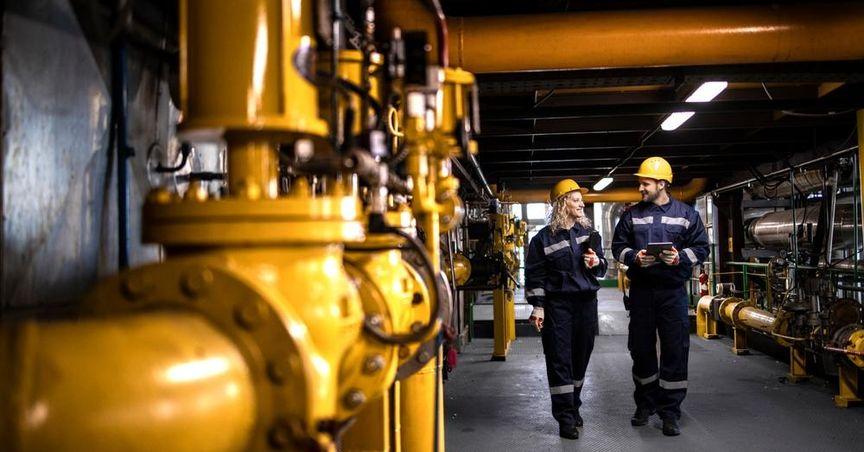
Tidewater Midstream and Infrastructure (TSX:TWM) maintains a diversified portfolio of assets that support the movement and processing of hydrocarbons. Core operations include pipeline systems, gas processing facilities, and storage infrastructure designed to handle natural gas liquids such as propane and natural gasoline. These activities form part of a broader value chain connecting upstream production with downstream distribution.
Infrastructure assets are positioned across key resource regions, enabling efficient transport of energy products to domestic and export markets. Processing facilities convert raw gas into marketable components, while logistics networks facilitate delivery to end users. This integrated approach supports continuity across multiple stages of the energy supply chain.
In addition to processing and transportation, the company engages in marketing activities related to natural gas liquids. These operations connect supply sources with industrial and commercial demand centers, contributing to the overall functioning of the energy ecosystem.
Market Movement and Trading Activity
Recent trading sessions saw Tidewater Midstream and Infrastructure (TSX:TWM) reach a new annual high, reflecting heightened market activity. Such movements often occur alongside changes in energy market conditions, including shifts in demand for hydrocarbons and refined products.
Trading volumes indicated active participation, with market engagement influenced by developments in commodity markets and infrastructure utilization. Movement toward higher trading levels may coincide with broader sector trends, particularly within the s and p tsx index, where energy companies form a significant component.
Short-term and long-term moving averages provide reference points for historical trading patterns. Changes in these indicators can reflect evolving sentiment and shifting dynamics within the energy infrastructure sector.
Financial Structure and Capital Profile
The financial framework of Tidewater Midstream and Infrastructure reflects characteristics typical of capital-intensive infrastructure businesses. Significant investment in pipelines, processing plants, and storage facilities requires substantial funding, often supported through debt arrangements.
Liquidity indicators, including measures of short-term asset coverage, highlight the company’s capacity to manage immediate financial obligations. These indicators suggest a structured approach to operational financing, though relatively lower levels of liquidity underscore the importance of efficient cash flow management.
Leverage metrics indicate a high reliance on borrowed capital relative to equity. Such a structure is common in infrastructure-focused entities, where long-term assets are financed over extended periods. Despite this, operational continuity is maintained through ongoing contract-based activities and asset utilization.
Earnings metrics reflect variability linked to operational performance and market conditions. Negative earnings during recent reporting periods highlight the challenges associated with cost structures and margin pressures within the sector.
Sector Dynamics and Industry Trends
The midstream energy sector operates within a framework shaped by supply and demand for hydrocarbons. Infrastructure providers such as Tidewater Midstream and Infrastructure play a critical role in ensuring efficient movement of energy resources from production sites to end markets.
Industry trends include continued focus on optimizing asset utilization and expanding infrastructure capacity in response to demand patterns. Environmental considerations and regulatory requirements also influence operations, particularly in areas related to emissions and land use.
Technological advancements contribute to improved efficiency in processing and transportation systems. Automation, monitoring technologies, and data-driven optimization are increasingly integrated into infrastructure management practices.
Within the context of the S&P TSX Index, energy infrastructure companies represent a key segment reflecting the broader economic importance of the resource sector in Canada. Performance within this segment often correlates with commodity market conditions and infrastructure demand.
Corporate Structure and Asset Integration
Tidewater Midstream and Infrastructure (TSX:TWM) maintains a structure that integrates multiple operational segments, including gathering systems, processing facilities, and transportation networks. This integration supports streamlined operations across the energy value chain.
Asset ownership includes pipelines and storage terminals that facilitate movement and handling of hydrocarbons. These assets are strategically located to connect production regions with refining and export hubs.
Corporate governance follows established standards for publicly listed entities, including regular disclosures and reporting requirements. Transparency in operational and financial reporting provides insight into company activities and structural developments.
Strategic initiatives have focused on enhancing asset efficiency and expanding infrastructure capabilities. These efforts align with broader industry trends emphasizing reliability and scalability in energy transportation and processing systems.
