
 AUS
AUS
 NZ
NZ
 UK
UK
 CA
CA
 USA
USA
 IND
IND




Highlights
- Integrated energy operations span upstream production and downstream refining
- Recent trading activity reflects heightened market attention across energy equities
- Ongoing focus on diversified energy assets and evolving production strategies
Suncor Energy overview within the S&P TSX 60 Index, highlighting operational structure, financial performance, and transition efforts shaping Canada’s integrated energy sector landscape.
The energy sector represented within the S&P TSX 60 Index includes major integrated companies engaged in oil sands development, refining, and distribution. Suncor Energy Inc. operates as one of the prominent entities in this segment, with activities covering exploration, production, upgrading, and retail distribution. Recent developments highlight shifts in trading patterns alongside continued operational performance across core business segments.
Integrated Operations Across the Energy Value Chain
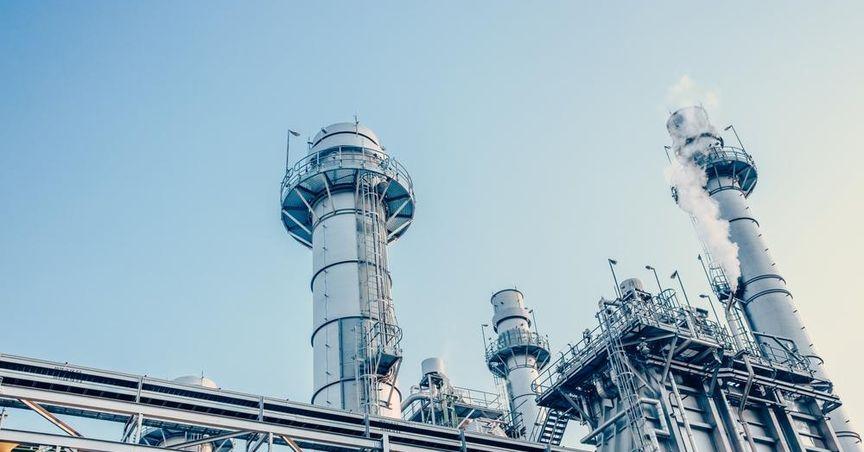
Suncor Energy Inc. (TSX:SU) maintains a diversified operational structure that spans multiple stages of the energy value chain. Upstream activities include oil sands development and offshore production, while downstream operations encompass refining and distribution networks. This integrated model enables coordination between production and processing functions within a single corporate structure.
Oil sands assets form a central component of production activity, supported by upgrading facilities that convert raw bitumen into refined products. Offshore operations contribute additional production capacity, complementing land-based extraction. Downstream refining operations process crude inputs into finished petroleum products distributed through wholesale and retail channels.
Market Activity and Trading Patterns
Recent trading sessions have drawn attention due to movements associated with energy sector equities. Suncor Energy Inc. (TSX:SU) experienced increased activity during this period, reflecting broader engagement within the sector. Such movements often coincide with shifts in commodity markets and changes in supply-demand dynamics affecting energy producers.
Trading patterns across integrated energy companies can be influenced by multiple factors, including production levels, refining margins, and macroeconomic conditions. These elements collectively shape the context in which energy equities are evaluated within large-cap indices.
Financial Performance and Revenue Streams
Revenue generation within integrated energy companies typically derives from a combination of upstream production and downstream refining operations. Suncor Energy Inc. reported earnings and revenue figures reflecting activity across these segments. Upstream production contributes through the extraction and sale of crude oil and related resources, while downstream operations generate revenue through refined products and distribution.
The balance between these segments can influence overall financial outcomes, particularly when market conditions affect crude oil and refined product markets differently. Integrated structures may provide a degree of stability by offsetting variations between upstream and downstream performance.
Capital Allocation and Distribution Activity
Energy companies often allocate capital toward maintaining production infrastructure, expanding operational capacity, and supporting shareholder distributions. Distribution activity forms part of the financial framework within which integrated energy companies operate. Such distributions are typically linked to operational performance and cash flow generation across business segments.
Capital allocation decisions also include investments in infrastructure upgrades and efficiency improvements within refining and production facilities. These initiatives aim to support ongoing operations and align with evolving industry standards.
Energy Transition and Sustainability Initiatives
Midway through ongoing sector developments, the S&P TSX 60 Index continues to include companies adapting to changing energy landscapes. Suncor Energy Inc. (TSX:SU) has outlined activities related to lower-emission energy sources, including renewable fuels and hydrogen development. These initiatives reflect broader industry trends toward diversification of energy sources.
Efforts to integrate lower-emission technologies into existing operations form part of long-term planning within the energy sector. This includes exploring alternative fuel production methods and enhancing efficiency within traditional extraction and refining processes.
Retail Network and Distribution Channels
The company’s retail presence includes a network of fuel stations operating under established branding. These outlets provide direct access to end consumers, complementing wholesale distribution channels that supply commercial clients. Retail operations contribute to downstream revenue streams and support brand visibility within domestic markets.
Distribution networks extend beyond retail locations, encompassing logistics systems that transport refined products across regions. Efficient distribution plays a role in maintaining supply continuity and meeting demand across various market segments.
