
 AUS
AUS
 NZ
NZ
 UK
UK
 CA
CA
 USA
USA
 IND
IND




Highlights
- Natural gas and liquids production remains central to ongoing operations.
- Dividend distributions continued alongside active asset development.
- Canadian upstream activities reflect trends across the S&P/TSX Composite Index.
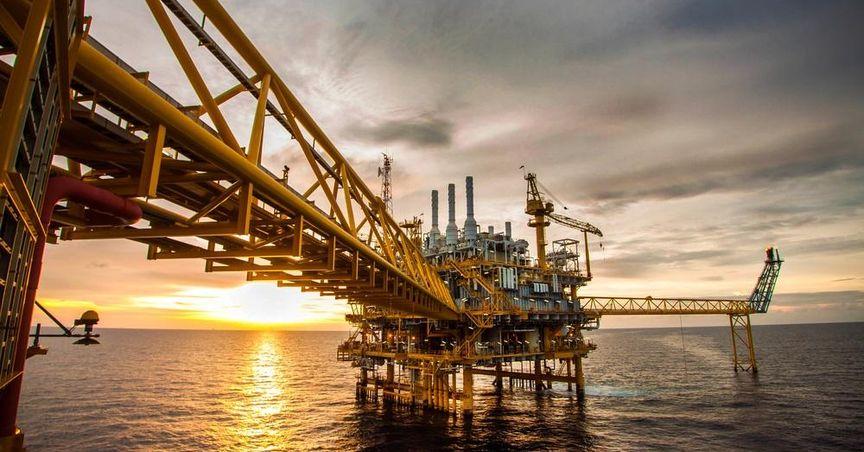
Birchcliff Energy production, infrastructure, dividends, and Alberta operations reflect ongoing activity across Canada's upstream energy sector within the S&P/TSX Composite Index.
Birchcliff Energy (TSX:BIR) operates in the oil and natural gas sector, with a primary focus on upstream exploration, development, and production across Western Canada. The company is commonly associated with Canadian Oil and Gas Stocks, while the broader performance of the Canadian energy industry is frequently reflected through the S&P/TSX Composite Index. Operations are concentrated on developing long-life resource assets supported by production infrastructure and regional processing facilities.
Core operations and asset base
The company's principal producing area is the Peace River Arch region of Alberta, particularly the Pouce Coupe area. Production consists mainly of natural gas, together with condensate and natural gas liquids. Development activities include drilling, completion, gathering systems, and processing infrastructure designed to support continuous field operations.
Birchcliff maintains ownership interests in processing facilities that handle significant volumes of natural gas from operated properties. Vertical integration through processing infrastructure supports operational efficiency while allowing production from surrounding resource areas to be connected directly into company-operated facilities.
Production activities and infrastructure
Production remained an important operational focus during the year as development programs continued across existing acreage. Activity included drilling new wells, optimizing established production sites, and maintaining infrastructure supporting transportation and processing.
Natural gas represents the largest portion of overall production, while condensate and natural gas liquids provide additional product diversity. Produced volumes are transported through regional pipeline systems before reaching downstream markets across Canada and export destinations connected through North American infrastructure.
Operational planning emphasizes efficient resource development using modern drilling techniques, including horizontal wells and multi-stage hydraulic fracturing across suitable geological formations.
Dividend distributions and financial framework
Birchcliff Energy continued dividend distributions during the reporting period while maintaining ongoing operational programs. Dividend payments form one element of overall capital allocation alongside production activities, infrastructure maintenance, and field development.
The company regularly reports operating updates through quarterly and annual disclosures, outlining production volumes, operating costs, capital expenditures, and reserve information. These disclosures provide factual information regarding business activities, operating performance, and asset development across producing regions.
Within the Canadian energy sector, dividend-paying producers represent an established segment of Dividend Stocks, although operational structures and distribution approaches vary between companies.
The Canadian upstream energy industry continues to experience changing commodity market conditions, transportation developments, and infrastructure expansion, all of which influence operational activity across companies represented within the S&P/TSX Composite Index.
Geographic presence and resource development
Operations remain concentrated in Alberta, where extensive natural gas resources support long-term field development. Resource areas contain multiple producing formations, allowing drilling programs across different geological intervals within the company's land position.
Field infrastructure includes gathering pipelines, compression facilities, processing plants, and connections to regional transmission systems. Continuous maintenance programs help support safe operation of these assets while enabling ongoing production.
Environmental management forms part of regular operational activities through site reclamation, emissions management initiatives, water handling practices, and regulatory compliance. Development programs are carried out under provincial regulatory frameworks governing exploration, production, environmental stewardship, and infrastructure operations.
Industry position within the Canadian energy sector
Canada remains one of the world's significant natural gas producers, with Alberta serving as the country's largest producing province. Companies operating within this sector contribute natural gas and associated liquids to domestic consumption and export markets.
Production from Western Canada supports residential heating, electricity generation, industrial applications, and manufacturing activities. Growing liquefied natural gas infrastructure has also increased attention on Canadian natural gas supply capabilities.
Birchcliff Energy (TSX:BIR) participates in this operating environment through continued development of its producing properties and processing assets. Company activities remain focused on upstream production, infrastructure utilization, and efficient resource development across established operating areas.
Many Canadian energy producers represented within the S&P/TSX Composite Index continue to balance production activities, infrastructure utilization, environmental compliance, and operational efficiency while supplying natural gas and associated products to regional and international markets.
