
 AUS
AUS
 NZ
NZ
 UK
UK
 CA
CA
 USA
USA
 IND
IND






Highlights
- Canadian Natural Resources operates within the oil and natural gas production sector across global regions.
- The company’s shares moved above a long-term technical benchmark during recent trading activity.
- Market activity around energy producers remains closely linked with broader benchmarks.
Canadian Natural Resources Limited (TSX:CNQ) operates as a major participant in this sector, with activities spanning exploration, development, and production across domestic and international regions. Developments surrounding large energy producers are often viewed alongside broader benchmarks such as the s&p tsx composite, which reflects activity across leading companies in Canada’s economy, including those within the energy sector.
Canadian Natural Resources Limited maintains a diversified portfolio of hydrocarbon resources, including crude oil, natural gas, and related products. Operations extend across Western Canada as well as offshore regions, forming a geographically varied production base that contributes to the global supply of petroleum resources.
Technical Movement and Market Activity
Recent trading activity placed Canadian Natural Resources Limited above a widely observed long-term moving average, a benchmark often referenced in market trend evaluation. Such movements can reflect shifts in trading patterns, market sentiment, or broader sector developments affecting energy companies.
Trading volumes associated with the company have demonstrated active participation, indicating ongoing engagement within the market environment. Activity at this level often coincides with developments in the energy sector, including fluctuations in commodity demand, operational updates, or shifts in broader economic conditions influencing hydrocarbon markets.
Shorter-term and longer-term moving averages are commonly used to observe patterns in trading behavior over time. When shares move above long-term averages, it may signal changes in trading dynamics that attract attention within financial markets. These movements are typically assessed alongside other indicators, including sector performance and macroeconomic developments.
Energy Production Across Diverse Resource Types
Canadian Natural Resources Limited operates across a wide spectrum of hydrocarbon resources, encompassing light and medium crude oil, heavy oil, bitumen, synthetic crude, natural gas liquids, and natural gas. Each resource type requires specialized extraction and processing methods tailored to the characteristics of the reservoir.
Light and medium crude oil production typically involves conventional drilling methods, allowing hydrocarbons to flow more readily from reservoir formations. Heavy oil and bitumen, by contrast, require advanced extraction techniques such as thermal recovery to mobilize hydrocarbons embedded within oil sands deposits.
Natural gas production involves the extraction of gaseous hydrocarbons followed by processing to remove impurities and separate associated liquids. These processes support the distribution of natural gas through pipeline networks used for energy supply and industrial applications.
The diversity of hydrocarbon resources within the company’s portfolio reflects a broad operational strategy aimed at maintaining production across multiple resource types and geographic regions.
Operational Footprint in Canada and Beyond
Western Canada represents a central hub for the company’s operations, particularly within the Western Canadian Sedimentary Basin. This region contains extensive hydrocarbon reserves and supports a wide range of exploration and production activities. Infrastructure in the region includes drilling sites, processing facilities, and transportation networks that facilitate the movement of hydrocarbons to domestic and international markets.
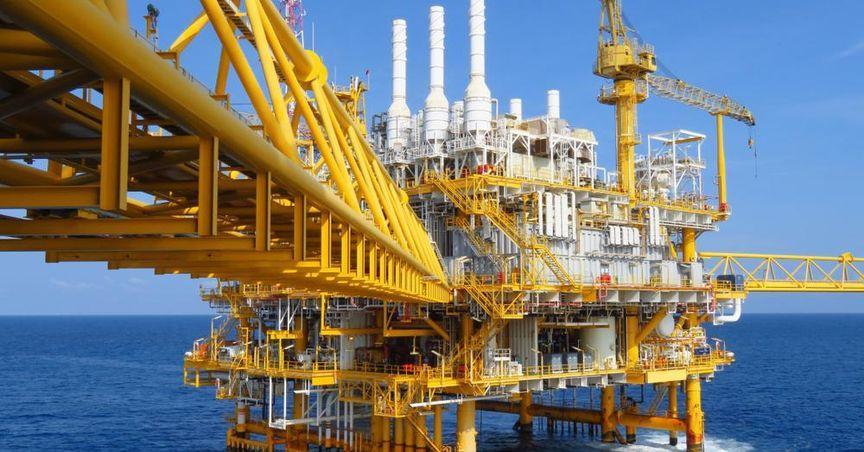
Beyond Canada, Canadian Natural Resources (TSX:CNQ) maintains operations in offshore regions such as the North Sea and selected areas in Africa. Offshore production involves specialized infrastructure including subsea systems and offshore platforms designed to extract hydrocarbons from beneath the seabed.
These international operations complement domestic production, creating a diversified geographic footprint. The combination of onshore and offshore assets contributes to a broader production network capable of supplying energy resources to global markets.
Infrastructure and Resource Management
Energy production requires a comprehensive network of infrastructure connecting extraction sites with processing and transportation systems. Facilities supporting Canadian Natural Resources include drilling rigs, well pads, pipelines, storage terminals, and processing plants designed to manage hydrocarbon flows from reservoir to market.
Pipeline systems serve as a primary means of transporting crude oil and natural gas across long distances. Gathering systems connect individual wells to centralized processing facilities where hydrocarbons are separated and prepared for further transportation or refining.
Technological advancements continue to influence operations within the energy sector. Enhanced drilling techniques, reservoir modeling, and digital monitoring systems support improved resource management and operational efficiency. These advancements contribute to a more detailed understanding of subsurface formations and enable more precise extraction processes.
Energy Sector Presence in Market Benchmarks
Large-scale energy producers form a significant part of Canadian market benchmarks such as the tsx composite index. These benchmarks include companies from sectors such as finance, energy, industrial production, and materials, reflecting the diversity of Canada’s economic landscape.
The energy sector remains a key contributor within this framework due to the scale of hydrocarbon production and its role in supporting industrial activity. Petroleum extraction connects with multiple industries, including transportation, manufacturing, and energy generation, reinforcing the importance of oil and gas production within the broader economy.
Companies operating within this sector contribute to the supply of essential energy resources used in various applications, from transportation fuels to industrial processes. Through participation in domestic and international markets, energy producers maintain a central position within Canada’s economic structure.
