
 AUS
AUS
 NZ
NZ
 UK
UK
 CA
CA
 USA
USA
 IND
IND

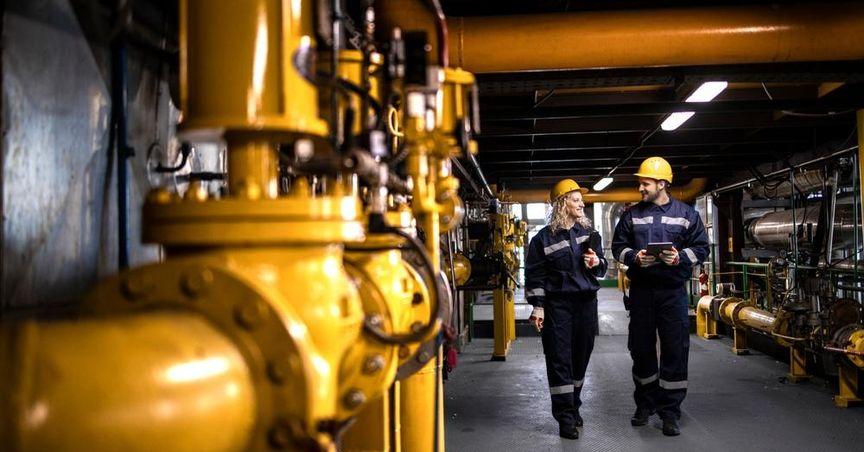





Highlights
- Headwater Exploration operates in the Canadian oil and gas exploration and production sector.
- Onshore energy development activities are centered in Alberta and New Brunswick.
- Market attention toward Canadian energy companies often connects with benchmarks such as the S&P/Tsx.
Canada’s petroleum exploration and production sector forms a significant part of the national industrial structure. Within this environment, Headwater Exploration Inc. (TSX:HWX) conducts activities focused on crude oil and natural gas development across selected regions of Canada. Companies operating in this segment frequently appear in discussions related to major Canadian market indicators such as the S&P/Tsx, a benchmark reflecting corporate activity across energy, financial services, materials, and industrial enterprises. The participation of energy producers in this benchmark highlights the sector’s long-standing role in Canada’s economic landscape.
Headwater Exploration Inc. focuses on exploration, development, and production of petroleum resources from onshore formations. Activities span several hydrocarbon reservoirs located within Western Canada as well as Eastern Canadian fields. Operations involve geological assessment, drilling programs, and production infrastructure designed to extract hydrocarbons from subsurface formations and deliver them to processing and distribution networks.
Petroleum Exploration Across Canadian Resource Basins
Petroleum exploration remains an essential activity within Canada’s resource development framework. Exploration programs typically begin with geological surveying and seismic mapping, processes designed to identify potential hydrocarbon reservoirs beneath the earth’s surface. These surveys assist technical teams in locating formations containing crude oil, natural gas, or associated hydrocarbon liquids.
Once promising geological structures are identified, exploratory drilling provides confirmation regarding the presence and characteristics of hydrocarbon deposits. Drilling programs may include vertical or horizontal wells depending on the geology of the reservoir. After confirmation of viable resources, development operations establish the infrastructure necessary to extract hydrocarbons from the reservoir.
Within Canada, exploration and development projects occur across diverse geological environments. These environments range from sedimentary basins in Western Canada to smaller onshore reservoirs located in Eastern regions. The combination of these resources contributes to the broader petroleum production network supporting domestic energy supply chains.
Operational Regions in Alberta and New Brunswick
Onshore energy development by Headwater Exploration Inc. extends across key hydrocarbon producing regions. Marten Hills in Alberta represents one of the primary areas associated with ongoing production activities. This region forms part of the Western Canadian Sedimentary Basin, an extensive geological formation containing numerous oil and gas reservoirs.
Hydrocarbon deposits in Marten Hills include formations containing light and medium crude oil. Extraction within this region often involves horizontal drilling techniques paired with advanced completion methods designed to maximize hydrocarbon recovery from reservoir rock. Infrastructure supporting these operations includes well pads, gathering systems, and pipeline networks connecting production sites with downstream processing facilities.
Additional operational presence occurs within the McCully Field in New Brunswick. The McCully Field contains natural gas resources located within sedimentary rock formations. Development of natural gas reservoirs in this area involves drilling wells and establishing processing facilities designed to separate gas from other hydrocarbons or impurities before distribution.
Production of Crude Oil and Natural Gas Resources
Hydrocarbon extraction activities typically involve a series of interconnected processes beginning with reservoir development and continuing through transportation and processing. Crude oil produced from onshore reservoirs undergoes separation and stabilization before entering pipeline systems designed to transport petroleum products toward refining centers.
Natural gas production follows a similar pathway. Gas extracted from wells is transported through gathering lines toward processing facilities where separation processes remove water vapor, natural gas liquids, and other components. The purified natural gas then enters pipeline networks that distribute energy resources across domestic markets.
Liquids associated with natural gas reservoirs, often referred to as natural gas liquids, contain valuable hydrocarbon components used in petrochemical manufacturing and fuel production. These liquids are separated during processing and transported to facilities designed for storage or refining.
Operations conducted by Headwater Exploration Inc. (TSX:HWX) contributes to Canada’s integrated energy supply chain. Production infrastructure connects upstream extraction sites with downstream transportation and processing networks that serve domestic consumption and industrial demand.
Infrastructure Supporting Onshore Energy Development
Energy extraction from hydrocarbon reservoirs requires a range of infrastructure components designed to maintain operational continuity. Drilling rigs, well pads, storage tanks, and pipeline systems form essential elements of production environments within Canada’s oil and gas sector.
Well pads provide centralized locations for drilling operations and production equipment. Horizontal drilling techniques frequently allow multiple wells to originate from a single pad, reducing land disturbance while maintaining access to subsurface resources. Gathering pipelines transport hydrocarbons from individual wells toward processing facilities or larger transmission pipelines.
Processing facilities separate hydrocarbons into their constituent components. Crude oil, natural gas, and natural gas liquids each follow separate pathways within the energy distribution network. Infrastructure linking these processes forms a complex logistical system supporting Canada’s petroleum industry.
Canadian Energy Sector and Market Benchmarks
Energy producers represent a notable component of major Canadian market indicators such as the s and p tsx index. These benchmarks track companies across sectors including energy, financial services, industrial production, and materials. The presence of oil and gas companies within these benchmarks reflects the continuing importance of petroleum extraction within Canada’s industrial framework.
The Western Canadian Sedimentary Basin, along with other hydrocarbon regions, supports a wide network of exploration companies, drilling service providers, transportation operators, and processing facilities. Together these participants form a supply chain that supports petroleum production and distribution across the country.
Energy production activities remain connected to technological development and geological research aimed at improving resource recovery. Advances in reservoir modeling, drilling technology, and infrastructure development continue to shape operational practices across the sector.
