
 AUS
AUS
 NZ
NZ
 UK
UK
 CA
CA
 USA
USA
 IND
IND






Highlights
- Headwater Exploration operates in the oil and natural gas exploration and production sector.
- Core operational regions include Marten Hills in Alberta and the McCully Field in New Brunswick.
- Emerging energy producers involved in hydrocarbon development often appear in discussions linked with the tsx small cap etf.
Canada’s energy sector includes a wide range of exploration and production companies responsible for developing petroleum and natural gas resources across the country. Headwater Exploration Inc. (TSX:HWX) operates within this environment as an oil and gas exploration and development company focused on onshore hydrocarbon resources. Companies operating in this segment are often discussed alongside market benchmarks such as the tsx small cap etf, which tracks smaller publicly listed companies across several sectors in the Canadian market. The presence of energy producers within this benchmark highlights the continued role of resource exploration and production within Canada’s industrial structure.
Headwater Exploration Inc. conducts exploration, development, and production activities designed to extract hydrocarbons from geological formations located in selected regions of Canada. These activities involve geological surveying, drilling operations, reservoir management, and infrastructure systems that enable the extraction and transportation of petroleum and natural gas resources.
Exploration Programs in Canadian Resource Basins
Exploration activities represent the first phase in hydrocarbon development. Energy companies typically begin by conducting geological studies that examine underground rock formations capable of storing hydrocarbons. Seismic imaging and geological mapping assist geoscientists in identifying areas where petroleum or natural gas may exist.
When geological indicators point to potential hydrocarbon deposits, exploratory drilling provides confirmation regarding reservoir characteristics and resource composition. Wells drilled during this stage allow engineers to evaluate the presence of hydrocarbons and determine the structure of the reservoir.
Following confirmation of a viable resource, development programs establish infrastructure necessary for extraction. These systems include drilling equipment, gathering pipelines, and processing facilities that stabilize hydrocarbons before transportation toward distribution networks.
Marten Hills Oil Development
Marten Hills in Alberta represents a significant operational region associated with the company’s petroleum activities. This region forms part of the Western Canadian Sedimentary Basin, a geological formation known for extensive hydrocarbon resources accumulated over geological time.
Oil reservoirs located within Marten Hills contain hydrocarbons trapped in sedimentary rock layers. Extraction activities in this area often utilize horizontal drilling techniques designed to access greater portions of the reservoir formation.
Horizontal drilling allows wells to extend laterally through hydrocarbon bearing formations, increasing the area of contact between the well and the reservoir. This approach improves the efficiency of hydrocarbon extraction by enabling operators to access resources distributed throughout the rock formation.
Production operations in this region involve drilling wells, managing reservoir conditions, and transporting extracted hydrocarbons through pipeline networks that connect with broader energy supply systems.
Natural Gas Operations in the McCully Field
In addition to oil production activities in Alberta, Headwater Exploration (TSX:HWX) maintains operations associated with natural gas development in the McCully Field located in New Brunswick. This region contains sedimentary formations that store natural gas within underground reservoirs.
Natural gas extraction begins with drilling wells into targeted formations where hydrocarbons accumulate within porous rock structures. Once wells reach the reservoir, gas flows through the wellbore toward the surface where processing facilities remove impurities and separate associated hydrocarbon liquids.
Processing facilities connected to natural gas fields remove water vapor and other components from the gas stream before it enters pipeline networks designed for transportation. These pipeline systems distribute natural gas across regional energy markets where the fuel supports residential, commercial, and industrial applications.
Hydrocarbon Processing and Transportation Systems
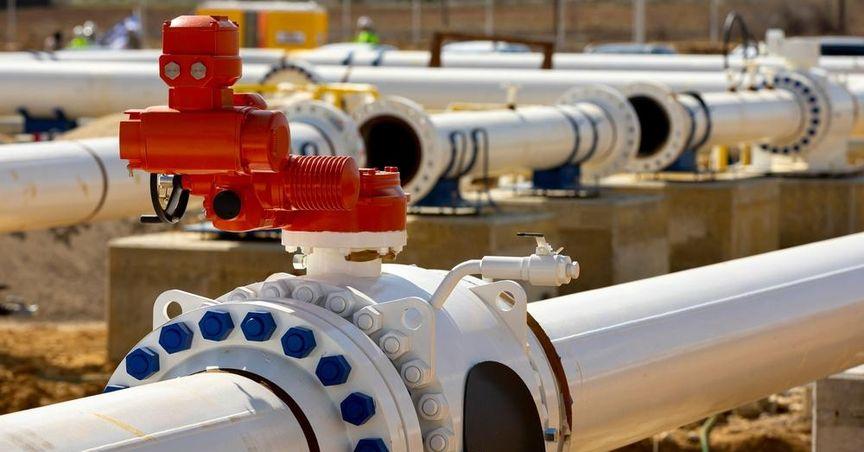
The production of crude oil and natural gas requires infrastructure that connects extraction sites with transportation networks. Gathering pipelines transport hydrocarbons from wells toward centralized processing facilities where stabilization and separation processes occur.
Crude oil extracted from reservoirs undergoes stabilization procedures before entering pipeline networks used to transport petroleum toward refining centers. Natural gas flows through processing systems that remove impurities before entering distribution pipelines.
Natural gas liquids produced alongside gas extraction contain hydrocarbon components used in industrial manufacturing and fuel production. Processing plants separate these liquids from the gas stream, allowing them to be transported to storage or refining facilities.
Infrastructure systems supporting hydrocarbon production include pipelines, compressor stations, and storage facilities designed to maintain stable energy supply networks across production regions.
Energy Producers and Canadian Market Benchmarks
Energy companies involved in hydrocarbon exploration and production contribute to the broader industrial structure represented within Canadian market benchmarks such as the tsx smallcap index. These benchmarks track companies across sectors including energy, industrial services, technology, and manufacturing.
Within the energy sector, exploration and production companies operate alongside drilling contractors, pipeline operators, and infrastructure providers to support hydrocarbon development. This interconnected network forms the foundation of Canada’s petroleum industry.
Producers operating within regional basins supply crude oil and natural gas resources that support energy consumption across multiple industries. Through exploration programs, drilling operations, and production infrastructure, these companies contribute to energy supply systems serving both domestic and international markets.
