
 AUS
AUS
 NZ
NZ
 UK
UK
 CA
CA
 USA
USA
 IND
IND





Highlights
- Gran Tierra Energy operates as an independent oil and gas exploration and production company.
- Core operations are concentrated in Latin American hydrocarbon basins, including Colombia and Ecuador.
- Market activity around smaller energy firms often aligns with benchmarks such as the Tsx Small Cap Index.
Canada’s energy sector includes a diverse mix of companies engaged in exploration, development, and production of hydrocarbons across domestic and international regions. Gran Tierra Energy Inc. (TSX:GTE) operates within this segment as an independent oil and gas company with activities focused on Latin America. Companies of this scale are often associated with benchmarks such as the Tsx Small Cap Index, which tracks smaller publicly listed firms across multiple sectors. The inclusion of energy producers within such benchmarks highlights the breadth of Canada’s resource-driven corporate landscape.
Gran Tierra Energy Inc. focuses on acquiring, developing, and producing oil and gas assets in under-explored hydrocarbon regions that benefit from existing infrastructure. The company’s operational footprint extends across Colombia and Ecuador, regions recognized for established petroleum basins as well as emerging exploration zones.
Exploration and Development in Latin American Basins
Hydrocarbon exploration in Latin America involves geological evaluation of sedimentary basins known to contain oil and gas reserves. Colombia remains a key production hub due to its established infrastructure and long history of petroleum extraction. Exploration programs typically involve seismic surveys and drilling activities aimed at identifying viable reservoirs beneath the surface.
Gran Tierra Energy Inc. conducts exploration programs within proven basins as well as areas with limited prior development. These activities are supported by geological mapping techniques and reservoir modeling systems that help identify resource potential. Once viable reservoirs are confirmed, development activities establish the infrastructure required for production.
In Ecuador, exploration efforts focus on prospective regions that share geological similarities with established petroleum basins. These areas provide additional resource potential within a broader operational portfolio that spans multiple countries.
Production of Light and Medium Crude Oil
Hydrocarbon production forms the central component of operations for oil and gas companies. Gran Tierra Energy primarily produces light crude oil, which flows more easily from reservoir formations compared to heavier hydrocarbons. Light crude oil is typically transported through pipeline systems toward refining facilities where it is processed into petroleum products.
In addition to light crude, production also includes medium grade crude oil and natural gas. Medium crude often requires additional processing steps due to its higher density compared to lighter hydrocarbons. Natural gas extracted from reservoirs undergoes separation and processing before entering distribution networks.
Production systems involve well infrastructure, gathering pipelines, and processing facilities designed to stabilize hydrocarbons prior to transportation. These systems operate in coordination with reservoir management practices aimed at maintaining consistent extraction levels from producing fields.
Infrastructure and Operational Integration
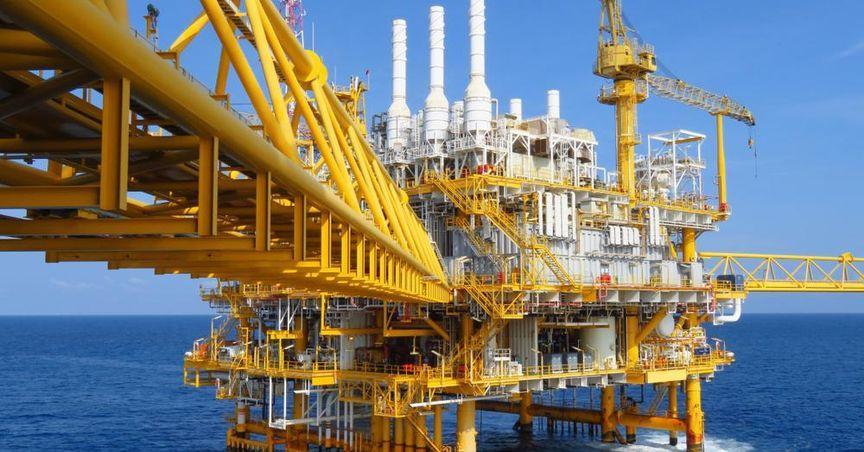
Energy production requires a network of infrastructure components connecting exploration sites with transportation and processing systems. Well pads, pipelines, storage facilities, and processing units form key elements of this operational framework. These components support the movement of hydrocarbons from extraction sites to refining and distribution points.
Gran Tierra Energy’s (TSX:GTE) operational model focuses on utilizing existing infrastructure within established petroleum regions. Access to pipeline networks and processing facilities allows for efficient transportation of produced hydrocarbons. This approach supports operational continuity across geographically dispersed assets.
Infrastructure integration also involves collaboration with regional service providers responsible for drilling, transportation, and processing services. These partnerships contribute to the development of hydrocarbon resources within both established and emerging basins.
Portfolio Strategy and Resource Expansion
Independent energy companies often maintain a portfolio of producing assets alongside exploration projects designed to expand resource potential. Gran Tierra Energy operates with a portfolio that includes producing properties as well as prospective exploration areas. This structure allows for a balance between ongoing production and resource development.
Exploration programs aim to identify additional hydrocarbon reserves within existing basins or newly targeted regions. Development of these resources involves drilling programs, reservoir management, and infrastructure deployment. Over time, these activities contribute to the expansion of the company’s operational footprint.
The strategy of combining producing assets with exploration initiatives reflects a broader approach within the oil and gas sector. Companies operating in this segment frequently seek to maintain production levels while identifying new resource opportunities within their portfolio.
Energy Sector Representation
Smaller scale energy producers contribute to the diversity of Canadian market benchmarks such as the Tsx SmallCap Index. This benchmark includes companies across sectors including energy, materials, industrials, and technology. Energy firms within this category often operate in specialized regions or focus on targeted resource development strategies.
The participation of companies like Gran Tierra Energy within smaller cap benchmarks reflects the varied structure of Canada’s energy sector. While large integrated producers dominate broader benchmarks, smaller firms contribute through focused exploration and production activities in specific geographic regions.
Energy production in Latin America continues to play a role in global hydrocarbon supply chains. Companies operating in these regions contribute to the availability of petroleum resources used in transportation, industrial processes, and energy generation.
