
 AUS
AUS
 NZ
NZ
 UK
UK
 CA
CA
 USA
USA
 IND
IND






Highlights
- Gibson Energy operates in oil infrastructure, providing collection, storage, and processing of crude oil and refined products.
- The company manages marketing and infrastructure segments, including pipelines, terminals, rail facilities, and processing units.
- Inclusion in the S&P TSX Index reflects its classification among leading Canadian publicly traded energy companies.
Gibson Energy (TSX:GEI) delivers integrated oil infrastructure services across Canada and the United States, managing marketing and infrastructure segments while participating in the S&P TSX Index.
Gibson Energy functions as a provider of integrated oil infrastructure services across Canada and the United States. The company operates in crude oil and refined product collection, storage, processing, and distribution. Its marketing segment handles trading, optimization, and sale of products including crude oil, natural gas liquids, oil-based mud, and road asphalt. Infrastructure operations encompass oil terminals, pipelines, rail loading facilities, and processing plants. Inclusion in the S&P TSX Index emphasizes the company’s role within the Canadian energy sector and its operational scale.
Marketing Segment Operations
The marketing segment of Gibson Energy (TSX:GEI) manages a diverse portfolio of energy products. This includes crude oil, natural gas liquids, refined petroleum products, road asphalt, and oil-based mud. Operations focus on product optimization, transportation coordination, and supply chain integration. Monitoring of market trends, operational logistics, and regulatory requirements ensures efficient handling of products across multiple locations. This segment contributes substantially to revenue and operational activity, providing energy products to industrial, commercial, and transportation clients.
Infrastructure Segment Capabilities
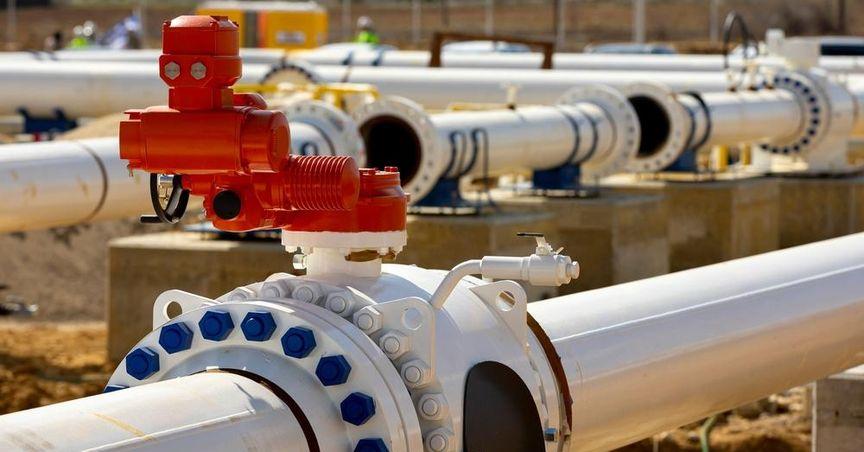
Infrastructure operations include oil storage terminals, pipeline networks, rail loading facilities, and processing units. Terminals provide secure storage and transfer of crude oil and refined products between producers, transporters, and end users. Pipelines facilitate safe and efficient transportation of crude oil across regional and cross-border networks. Rail facilities support bulk transport and logistical flexibility. Processing facilities manage crude oil input and produce refined products for marketing and industrial applications. Integrated infrastructure ensures continuity of operations and responsiveness to client needs.
Geographic Scope and Operational Reach
Gibson Energy (TSX:GEI) maintains operations primarily across Canada and select regions of the United States. Marketing and infrastructure services are coordinated to support multiple production and consumption areas, including remote extraction sites and urban distribution centers. Regional operations involve collaboration with local authorities, regulatory bodies, and industrial partners to ensure compliance with safety, environmental, and operational standards. Geographic diversification enhances operational reliability and service coverage.
Storage, Processing, and Logistics
Storage facilities are designed for safe containment of crude oil and refined products. Tanks, loading bays, and distribution points are managed to optimize inventory turnover, minimize contamination, and ensure environmental compliance. Processing operations transform crude oil into refined products including asphalt, natural gas liquids, and other energy derivatives. Logistics coordination ensures timely product movement via pipeline, rail, or truck networks, supporting both marketing and infrastructure functions. Quality assurance and monitoring programs maintain operational standards across all facilities.
Technology Integration and Operational Efficiency
Gibson Energy utilizes technology to support operational monitoring, logistics management, and process optimization. Digital platforms track product movement, storage levels, and equipment performance. Automated control systems in terminals and pipelines enhance safety and efficiency. Data analytics support operational planning, maintenance scheduling, and performance reporting. Integration of technology across marketing and infrastructure segments allows the company to maintain continuity of service, monitor operational performance, and respond to changing market conditions or operational requirements.
Financial Structure and Operational Metrics
Gibson Energy (TSX:GEI) manages financial and operational metrics to monitor performance, manage debt, and optimize resource allocation. Key indicators include asset utilization, storage capacity efficiency, throughput volumes, and debt-to-equity ratios. Operational reports cover pipeline throughput, terminal usage, and marketing segment performance. Resource deployment across infrastructure facilities is tracked to maintain continuity and operational readiness. Metrics are aligned with reporting standards and provide insight into the operational efficiency of integrated services.
Environmental and Sustainability Practices
Environmental stewardship is embedded in operational practices. Storage, processing, and transportation facilities are designed to minimize ecological impact through containment systems, spill prevention, emissions monitoring, and responsible waste management. Energy-efficient operations, resource recycling, and adherence to environmental standards reduce environmental footprint. Sustainability practices extend across infrastructure management, processing, and logistics to meet regulatory expectations and operational benchmarks.
Market Position and S&P TSX Index Classification
Participation in the S&P TSX Index situates Gibson Energy among Canada’s leading energy companies. The index measures market capitalization, liquidity, and operational scale relative to other Canadian publicly traded entities. Inclusion reflects operational significance within the energy sector and recognition in equity markets. Regular reporting, public disclosures, and operational updates provide transparency for market participants and maintain alignment with index requirements.
Client Engagement and Sector Focus
Gibson Energy (TSX:GEI) services clients in industrial, commercial, and energy sectors, facilitating supply chain continuity for crude oil and refined products. Coordination with producers, transporters, and industrial end-users ensures efficient distribution of energy products. Marketing operations support optimization of product flows, while infrastructure capabilities maintain operational continuity. Client engagement includes monitoring of logistics, scheduling, and infrastructure capacity to meet contractual and operational requirements.
Strategic Operations and Facility Management
Operations are continuously refined through facility maintenance, pipeline management, storage optimization, and processing efficiency. Terminal operations, rail loading, and pipeline networks undergo regular inspection and maintenance. Process standardization and technology integration reduce variability, maintain quality, and support operational objectives. Strategic coordination across marketing and infrastructure segments ensures that resources are efficiently utilized, capacity is optimized, and service continuity is maintained across all operational facilities.
