
 AUS
AUS
 NZ
NZ
 UK
UK
 CA
CA
 USA
USA
 IND
IND





Highlights
- Frontera Energy Corp. reached a fresh annual high following sustained trading strength in recent sessions
- Exploration and production activities across South America position the company within key upstream energy regions
- Liquidity structure and operational footprint frame broader attention among Tsx Small Cap Index energy participants
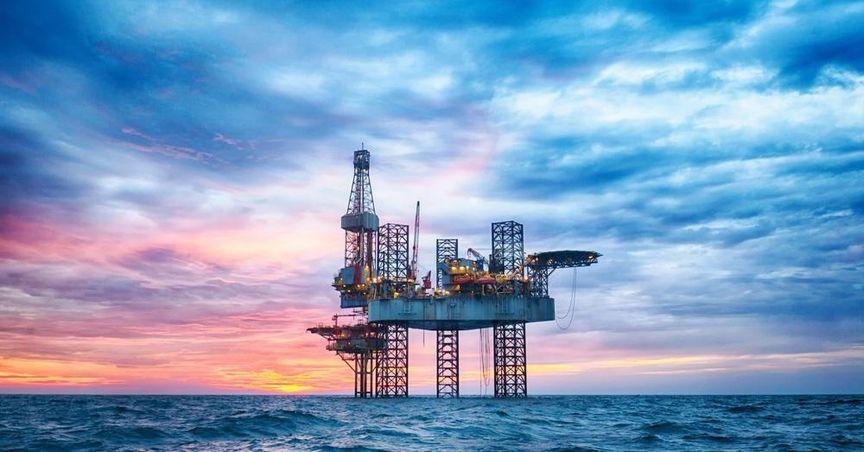
Frontera Energy Corp. (TSX:FEC) recently moved to a fresh annual trading high, drawing renewed attention to Canadian-listed energy companies operating across South America. The share movement highlights the company’s standing within the Tsx Small Cap Index, where resource-focused issuers frequently gain visibility during periods of sector momentum. Frontera Energy Corp. operates as a Canadian-based exploration and production company with activities spanning crude oil and natural gas development across Colombia, Peru, Ecuador, and offshore Guyana. Its operations combine upstream exploration and production activities with midstream infrastructure investments that support crude transportation and export capacity.
Regional Upstream Operations And Production
Frontera Energy Corp. conducts upstream exploration and production activities across several key South American regions. The company’s Colombian segment represents a central pillar of its operational structure, encompassing exploration, drilling, and production activities across established hydrocarbon basins. Colombia’s energy sector plays an important role in the broader Latin American oil market, providing access to established infrastructure and export routes.
Additional upstream operations extend into Peru and Ecuador, where exploration programs seek to identify new reserves while maintaining existing production levels. Offshore exploration in Guyana further broadens the company’s geographic reach, positioning Frontera Energy within a region that has recently attracted global attention for hydrocarbon potential.
The company’s diversified upstream footprint allows exposure to multiple geological environments and regulatory frameworks. Such geographic distribution can support operational flexibility while balancing resource development opportunities across several markets.
Infrastructure And Midstream Integration
Beyond upstream exploration and production, Frontera Energy Corp. maintains investments in midstream infrastructure. The company’s midstream segment includes pipelines, storage facilities, port terminals, and related distribution assets connected to crude transportation networks.
Midstream infrastructure forms a critical component of energy value chains, enabling the movement of produced hydrocarbons from wellhead locations to export terminals and refining facilities. Ownership or participation in transportation networks can enhance logistical efficiency and provide operational stability within complex supply chains.
Within the Canadian equity landscape, companies combining upstream exploration with infrastructure assets often attract attention from participants tracking the TSX Smallcap Index, where diversified resource companies frequently operate.
Market Capitalization And Trading Momentum
Frontera Energy Corp. holds a market capitalization characteristic of the smaller-cap segment of the Toronto Stock Exchange. Trading activity recently increased as shares approached their highest levels within the past year. Market participation at these levels reflects engagement from participants monitoring momentum among energy producers.
Small-cap energy issuers frequently display greater share price variability compared with large integrated producers. Changes in trading momentum can arise from operational developments, commodity market dynamics, or shifts in market sentiment toward exploration companies.
Within the Canadian market environment, representation inside the Tsx Small Cap ETF universe can influence liquidity flows, as index-linked products track companies operating within smaller capitalization segments of the exchange.
Operational Segments Across South America
Frontera Energy Corp. organizes its business structure across several operating segments aligned with geographic regions. The Colombia segment encompasses the majority of upstream production activities and represents the company’s largest operational footprint. Production facilities and exploration programs within this region contribute significantly to the company’s hydrocarbon output.
The Peru segment focuses on exploration and development initiatives aimed at expanding resource potential. Similarly, the Ecuador segment includes exploration projects as well as administrative functions associated with corporate operations.
Liquidity Structure And Balance Sheet
Liquidity metrics provide insight into the company’s short-term financial flexibility. The current ratio measures the relationship between short-term assets and liabilities, indicating the ability to meet immediate obligations through existing resources. The quick ratio further refines this measure by focusing on highly liquid assets.
Energy exploration companies often manage working capital carefully due to the capital-intensive nature of drilling and development programs. Exploration projects may involve substantial upfront expenditures before production begins generating cash flows.
The company’s debt-to-equity ratio reflects leverage levels relative to shareholder equity. Financing structures are common within the exploration sector, where capital requirements for drilling programs, equipment procurement, and infrastructure development can be significant.
Energy Sector Positioning Within Canada
Energy exploration and production companies remain an important component of Canada’s public equity market. While many Canadian firms focus on domestic resource basins, several companies maintain international operations spanning multiple continents.
Frontera Energy Corp. (TSX:FEC) focus on South American hydrocarbon reserves differentiates it from many Canadian energy issuers that primarily operate in North American shale or conventional oil fields. This international orientation introduces exposure to diverse geological environments and market conditions.
Commodity market dynamics can influence sentiment toward exploration companies. Fluctuations in crude oil and natural gas pricing often shape the operating environment for producers and exploration-focused organizations.
