
 AUS
AUS
 NZ
NZ
 UK
UK
 CA
CA
 USA
USA
 IND
IND





Highlights
- Frontera Energy operates within the oil and gas exploration and production sector across South America.
- Activities span upstream and midstream segments, including pipelines and export infrastructure.
- Market developments surrounding smaller energy companies often align with the Small Cap Index.
Frontera Energy Corp (TSX:FEC) operates within the global oil and natural gas sector, focusing on exploration, development, and production activities across South America. The company’s operational footprint spans multiple regions, contributing to the broader energy supply chain through upstream and midstream operations. Companies of similar scale are often associated with benchmarks such as the Tsx Small Cap Index, which reflects activity among smaller publicly listed firms across Canada. Within this context, energy companies contribute to the representation of resource driven industries in the index.
Frontera Energy Corp has established a diversified presence across several South American jurisdictions, where hydrocarbon exploration and production activities remain a key part of regional energy systems. Through a combination of upstream operations and infrastructure investments, the company participates in both extraction and transportation of petroleum products.
Exploration and Production Across South America
Energy exploration in South America involves geological assessment and drilling programs designed to identify hydrocarbon reserves beneath surface formations. Frontera Energy maintains operations in multiple countries, including Colombia, Peru, Ecuador, and Guyana. Each region presents unique geological characteristics that influence exploration strategies and production methods.
Colombia serves as a central area for upstream activity, where exploration and production operations target crude oil reservoirs located in sedimentary basins. These basins contain hydrocarbons formed over geological time, requiring drilling programs to access subsurface reserves. Production activities in this region contribute significantly to the company’s overall hydrocarbon output.
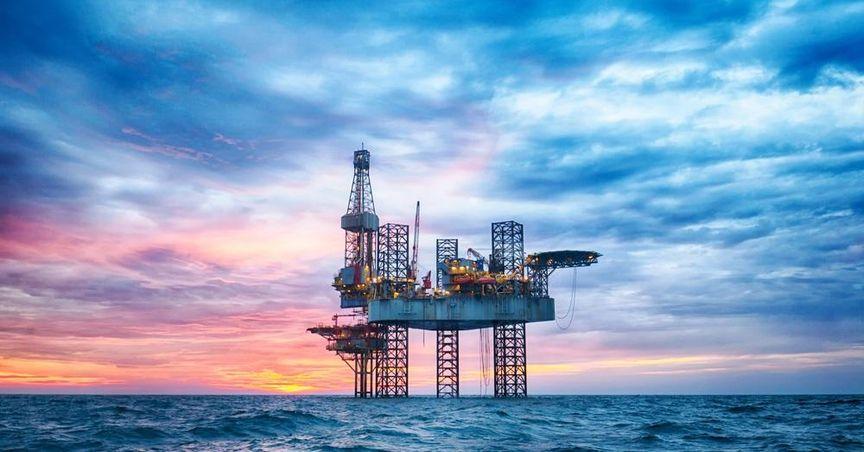
Additional exploration activity occurs in Peru and Ecuador, where geological formations also support the presence of petroleum resources. These operations involve surveying, drilling, and development programs aimed at extracting hydrocarbons from onshore reservoirs. Offshore exploration activity in Guyana introduces another dimension, where subsea drilling and marine infrastructure support hydrocarbon extraction beneath oceanic formations.
Midstream Infrastructure and Distribution Systems
Beyond extraction, Frontera Energy (TSX:FEC) operates within the midstream segment, which focuses on transportation and distribution of petroleum products. Midstream operations include pipelines, storage facilities, and export terminals that connect production sites with domestic and international markets.
Pipeline networks play a vital role in transporting crude oil from production fields to storage and processing facilities. Storage terminals provide temporary holding capacity for hydrocarbons before further transportation. Export infrastructure, including port facilities, supports the movement of petroleum products to international destinations.
These systems function as an integrated network, enabling the flow of hydrocarbons from upstream production sites to downstream markets. Midstream operations contribute to the efficiency of energy supply chains by facilitating the movement of resources across regions.
Operational Segments and Geographic Structure
Frontera Energy organizes its activities across several operational segments aligned with geographic regions and business functions. The Colombia segment encompasses upstream exploration and production activities within the country. This segment includes drilling operations, reservoir management, and production facilities.
The Peru segment focuses on exploration and development activities within Peruvian territory. Similarly, the Ecuador and other segments include exploration initiatives in Ecuador along with corporate functions based in Canada. These activities are supported by administrative and operational systems that coordinate resource development across regions.
Offshore operations in Guyana represent another segment, where marine exploration and production activities are conducted. Offshore drilling requires specialized equipment and infrastructure designed for deepwater environments. These operations involve subsea wells, offshore platforms, and support vessels that facilitate hydrocarbon extraction.
The midstream segment complements upstream activities by providing transportation and export infrastructure. This segment integrates pipeline networks, storage systems, and port facilities that support the distribution of petroleum products.
Energy Sector Dynamics Within Small Cap Benchmarks
Energy companies operating within smaller capitalization segments often reflect trends associated with broader industry activity. The Tsx SmallCap Index includes companies across sectors such as energy, materials, and industrial services. Within this framework, oil and gas producers contribute to the representation of resource based industries.
Hydrocarbon extraction remains a key component of global energy supply systems. Companies engaged in exploration and production activities contribute to the availability of crude oil and natural gas used in transportation, manufacturing, and energy generation. Smaller energy producers often operate within specific regions or specialized segments of the industry.
Participation in benchmarks such as the Tsx SmallCap Index highlights the diversity of companies contributing to Canada’s public markets. These benchmarks capture a range of industries, reflecting the breadth of economic activity across different sectors.
Infrastructure and Production Environment
Hydrocarbon extraction and distribution require a complex network of infrastructure supporting operational continuity. Facilities associated with Frontera Energy’s activities include drilling rigs, well pads, pipelines, and storage terminals. These components function together to enable efficient extraction and transportation of petroleum resources.
Production environments vary depending on geographic location and resource type. Onshore operations involve drilling wells into sedimentary basins, while offshore operations require marine platforms and subsea systems. Each environment presents distinct technical and logistical considerations that influence operational strategies.
Processing facilities play a role in preparing hydrocarbons for transportation by separating crude oil from water, gas, and other components. Once processed, petroleum products enter pipeline networks or shipping routes that connect production regions with refining and distribution centers.
