
 AUS
AUS
 NZ
NZ
 UK
UK
 CA
CA
 USA
USA
 IND
IND


Highlights
- Energy sector regains attention amid market shifts
- Integrated operations strengthen long-term outlook
- Market positioning aligns with broader TSX trends
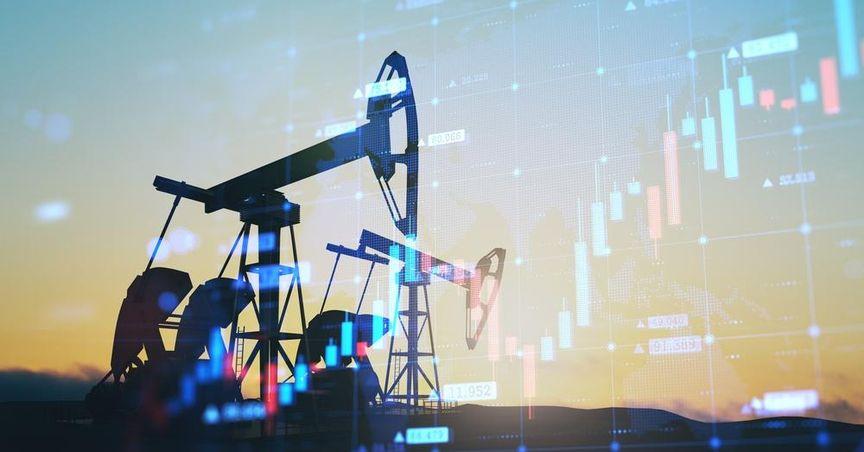
Energy sector regains focus as integrated operations and strategic positioning drive stability, reflecting broader market trends and evolving industry dynamics within Canada’s energy landscape.
The Canadian energy landscape is drawing renewed focus as evolving market conditions reshape investor sentiment, with major players like Suncor Energy Inc. (TSX:SU) gaining traction within the TSX Composite Index. As global energy demand narratives shift and operational resilience becomes a central theme, companies in this sector are positioning themselves for sustained relevance. The current environment highlights the importance of integrated business models, strategic asset management, and adaptability to changing economic cycles, all of which define the trajectory of leading Canadian energy firms.
Energy Sector Rebounds
Canada’s energy sector has long been a cornerstone of the national economy, and its influence continues to resonate across global markets. Recent developments indicate a gradual shift in market dynamics, with energy companies regaining attention amid fluctuating commodity cycles and evolving policy frameworks.
Suncor Energy Inc. (TSX:SU), a prominent integrated energy company headquartered in Canada, operates across the entire value chain—from oil sands development to refining and distribution. This comprehensive structure allows it to manage volatility more effectively than peers focused on a single segment.
The renewed spotlight on energy stocks is not just about commodity trends; it reflects a broader reassessment of long-term energy security, infrastructure reliability, and operational efficiency. Companies with diversified portfolios and strong operational frameworks are emerging as key participants in this evolving landscape.
Integrated Strength Drives Stability
One of the defining characteristics of Suncor Energy Inc. is its integrated business model. By combining upstream production with downstream refining and marketing, the company can balance fluctuations across different segments of the energy cycle.
This integrated structure helps create a natural buffer against market volatility. When upstream operations face margin pressure, downstream segments can help support steadier performance, reinforcing operational consistency. These structural strengths become especially valuable during uncertain periods, where flexibility and scale matter even more, particularly for companies linked to the S&P 60.
Beyond operational integration, the company’s focus on efficiency and innovation has contributed to its resilience. Investments in technology, process optimization, and infrastructure upgrades continue to support long-term sustainability and operational excellence.
Market Positioning and Strategic Outlook
Suncor Energy Inc. (TSX:SU) holds a significant position within Canada’s energy ecosystem. Its extensive asset base, combined with a strong presence in oil sands development, reinforces its role as a key contributor to the country’s energy output.
The company’s strategic direction emphasizes disciplined capital allocation and operational optimization. Rather than pursuing aggressive expansion, the focus remains on enhancing existing assets and improving efficiency. This approach aligns with broader industry trends, where sustainability and cost management are increasingly prioritized.
In addition, the company’s ability to adapt to regulatory changes and environmental considerations plays a crucial role in shaping its long-term outlook. As energy transition discussions gain momentum, companies that can balance traditional operations with evolving expectations are likely to maintain their relevance.
Industry Trends Shaping the Future
The energy sector is undergoing a transformation driven by multiple factors, including technological advancements, environmental considerations, and shifting demand patterns. These trends are influencing how companies operate and position themselves within the market.
For integrated players like Suncor Energy Inc. the focus is on leveraging existing strengths while exploring opportunities for innovation. This includes enhancing operational efficiency, reducing environmental impact, and optimizing resource utilization.
The broader industry is also witnessing a shift towards digitalization, with companies adopting advanced analytics and automation to improve performance. These developments are reshaping traditional operational models, creating new avenues for growth and efficiency.
Resilience Amid Market Cycles
Energy markets are inherently cyclical, influenced by a range of external factors such as geopolitical developments, economic conditions, and supply-demand dynamics. In this context, resilience becomes a defining attribute for companies operating in the sector.
Suncor Energy Inc. has demonstrated an ability to navigate these cycles through strategic planning and operational discipline. Its integrated model, combined with a focus on efficiency, enables it to manage fluctuations more effectively.
This resilience is further supported by a diversified asset base, which provides flexibility in responding to changing market conditions. By maintaining a balanced approach, the company can adapt to both short-term challenges and long-term opportunities.
Role in Canada’s Energy Landscape
As one of Canada’s leading energy companies, Suncor Energy Inc. (TSX:SU) plays a vital role in the country’s economic and industrial framework. Its operations contribute to energy production, infrastructure development, and employment, reinforcing its significance within the national economy.
The company’s presence across multiple segments of the energy value chain underscores its importance in ensuring supply stability and operational continuity. This comprehensive approach not only supports its own growth but also contributes to the broader stability of the energy sector.
Moreover, its alignment with industry standards and regulatory requirements reflects a commitment to responsible operations. This balance between performance and compliance is essential in maintaining long-term sustainability.
