
 AUS
AUS
 NZ
NZ
 UK
UK
 CA
CA
 USA
USA
 IND
IND

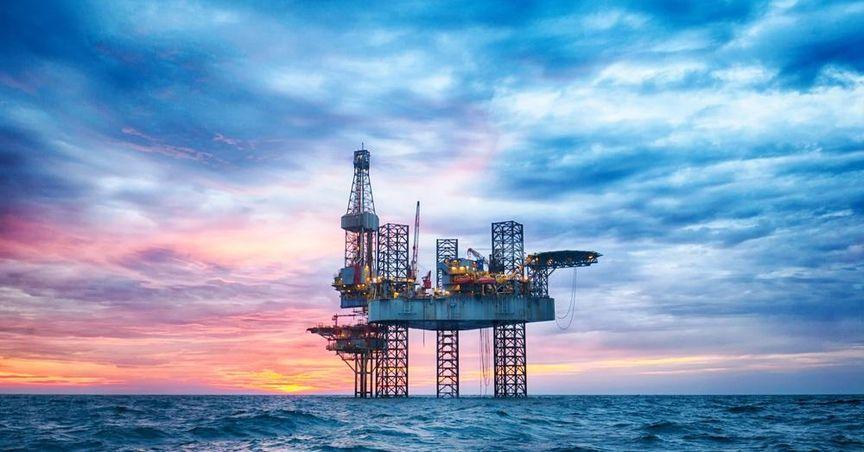





Highlights
- Cardinal Energy operates within Canada’s oil and gas exploration and production sector.
- The company focuses on conventional oil assets and production optimization across Western Canada.
- Sector activity among smaller energy firms often aligns with indicators such as the TSX Small Cap Index.
Canada’s energy industry includes a wide spectrum of companies ranging from large integrated producers to smaller exploration-focused firms. Within this landscape, Cardinal Energy Ltd. (TSX:CJ) operates as an oil and gas company centered on conventional resource development. Smaller and mid-sized energy companies frequently appear in discussions connected with benchmarks such as the TSX Small Cap Index, which reflects the performance of emerging and developing enterprises across multiple sectors including energy, materials, and industrial services. The presence of oil and gas firms within this index highlights the role of smaller producers in Canada’s broader energy ecosystem.
Cardinal Energy Ltd. focuses on the exploration, development, and production of crude oil and associated hydrocarbons across Western Canada. Operations emphasize maintaining production from established fields while applying techniques aimed at enhancing recovery from mature reservoirs. Through this approach, the company contributes to ongoing resource extraction within regions that have historically supported Canadian oil production.
Conventional Oil Development Across Western Canada
Western Canada contains numerous conventional oil reservoirs that have been developed over several decades. These reservoirs differ from oil sands formations in that hydrocarbons typically flow more freely through porous rock structures. Development of such resources generally involves drilling wells into targeted formations followed by extraction through standard production techniques.
Cardinal Energy Ltd. maintains operations within several established producing regions where conventional oil resources are present. These areas include sedimentary basins characterized by sandstone and carbonate formations capable of storing hydrocarbons. Production from these reservoirs is supported by infrastructure such as well sites, gathering systems, and pipeline networks connecting extraction points with processing facilities.
Conventional oil production often relies on maintaining reservoir pressure and optimizing recovery through techniques such as waterflooding. These methods help sustain production levels from mature fields by enhancing the movement of hydrocarbons toward production wells.
Focus on Mature Asset Optimization
A defining feature of Cardinal Energy’s operations involves the management of mature oil assets. Mature fields typically require ongoing maintenance and technical adjustments to sustain output levels over extended periods. Activities may include well reactivation, reservoir monitoring, and implementation of enhanced recovery techniques.
Waterflooding represents one of the primary methods used in mature asset development. This process involves injecting water into the reservoir to maintain pressure and improve hydrocarbon displacement. By sustaining reservoir conditions, this technique supports continued extraction from fields that have already undergone initial development phases.
Operational strategies associated with mature assets often emphasize efficiency and resource optimization. Infrastructure within these fields is generally well established, allowing companies to focus on improving recovery rates and maintaining consistent production through targeted technical interventions.
Hydrocarbon Production and Product Mix
Cardinal Energy’s (TSX:CJ) production portfolio includes crude oil along with associated natural gas and natural gas liquids. Crude oil forms the primary output, while natural gas and liquids contribute additional hydrocarbon streams that undergo processing before entering distribution networks.
Produced hydrocarbons are transported through gathering systems to processing facilities where separation and stabilization occur. Crude oil is prepared for pipeline transportation, while natural gas undergoes processing to remove impurities and separate liquid components. These products then enter distribution channels serving industrial, commercial, and energy consumption markets.
The combination of crude oil and associated hydrocarbons supports a diversified production structure within conventional oil operations. This structure aligns with the broader Canadian energy system, where multiple hydrocarbon products contribute to energy supply chains.
Infrastructure and Operational Framework
Energy production within conventional oil fields relies on a network of infrastructure designed to support extraction, transportation, and processing. Facilities include drilling rigs, wellheads, storage tanks, and pipeline systems that connect production sites with processing hubs.
Pipeline networks play a central role in transporting crude oil from well sites to refineries or distribution centers. Gathering systems collect hydrocarbons from multiple wells and deliver them to central processing facilities. These facilities separate oil, gas, and water components before directing each stream toward its respective destination.
Technological developments continue to influence operational practices within conventional oil production. Reservoir monitoring tools, data analytics, and improved drilling techniques support enhanced understanding of subsurface conditions. These tools assist in maintaining production efficiency and optimizing recovery from mature reservoirs.
Energy Sector and Market Benchmarks
Smaller and mid-sized energy companies form an important segment of Canada’s energy landscape. Benchmarks such as the TSX Small Cap ETF reflect the presence of these firms across sectors including energy, mining, and industrial services. Within this framework, oil and gas producers contribute to the diversity of companies represented in small-cap market indicators.
The Canadian energy sector includes a range of participants from large integrated corporations to specialized exploration and production firms. Smaller producers often focus on specific resource types or geographic regions, contributing to overall hydrocarbon supply through targeted operations.
Activities within this segment of the energy market remain connected to regional infrastructure, including pipelines, processing facilities, and distribution networks. These connections enable smaller producers to participate in broader energy supply chains while maintaining operational focus on specific resource assets.
Dividend Distribution and Financial Structure
Energy companies operating within Canada frequently distribute periodic payments linked with operational performance. Cardinal Energy maintains a distribution structure associated with its production activities, reflecting the financial characteristics of companies operating in the oil and gas sector.
Financial structure within such companies often includes a combination of operational cash flow management and capital allocation toward sustaining production assets. Debt and liquidity management form part of the broader financial framework supporting ongoing operations.
The balance between production activities and financial structure reflects the operational nature of conventional oil companies, where maintaining output from established fields remains a key component of long-term activity.
