
 AUS
AUS
 NZ
NZ
 UK
UK
 CA
CA
 USA
USA
 IND
IND






Highlights
- Bonterra Energy operates exploration and production activities focused on crude oil and natural gas resources in Canada.
- Core operations involve hydrocarbon extraction and development within the Western Canadian Sedimentary Basin.
- Resource exploration companies are often discussed alongside benchmarks such as the Tsx Small Cap Index.
Energy exploration and production companies represent a vital component of Canada’s resource based economy. Bonterra Energy Corp. (TSX:BNE) operates within this sector through exploration, development, and production activities targeting crude oil, natural gas, and natural gas liquids. Organizations engaged in hydrocarbon extraction are frequently associated with benchmarks such as the Tsx Small Cap Index, which reflects smaller publicly listed corporations across industries including energy, infrastructure, technology, and industrial services. Resource companies within this benchmark illustrate the diversity of businesses involved in developing energy reserves and supporting the supply of hydrocarbons across regional markets.
Bonterra Energy Corp. focuses operations on hydrocarbon development within the Western Canadian Sedimentary Basin, a geological region known for significant oil and gas reserves. Energy companies operating in this basin manage exploration programs, drilling operations, and production infrastructure designed to extract hydrocarbons from underground reservoirs.
Exploration and Geological Assessment
Exploration activities represent the starting point of hydrocarbon development. Geological teams analyze rock formations beneath the surface to identify areas that may contain oil or natural gas accumulations. This work involves seismic surveys, geological mapping, and analysis of sedimentary layers that form the structural framework of hydrocarbon reservoirs.
Exploration teams examine geological formations to determine whether hydrocarbons are present within the porous rock layers that store oil and natural gas. Geological structures such as traps and reservoirs are studied to understand the distribution of hydrocarbons within a basin.
Once geological evaluation identifies potential resource zones, exploration drilling programs may be conducted to confirm the presence of hydrocarbons. Exploration wells provide geological data that helps determine reservoir characteristics and the potential for long term production activities.
Development of Oil and Gas Fields
Following exploration activities, development programs focus on preparing hydrocarbon reservoirs for long term production. Field development includes drilling additional wells, installing production equipment, and establishing surface infrastructure designed to support extraction operations.
Production wells are drilled into hydrocarbon bearing formations where crude oil or natural gas can flow toward the surface through wellbores. Surface equipment located at well sites regulates the flow of hydrocarbons and channels production streams toward gathering systems.
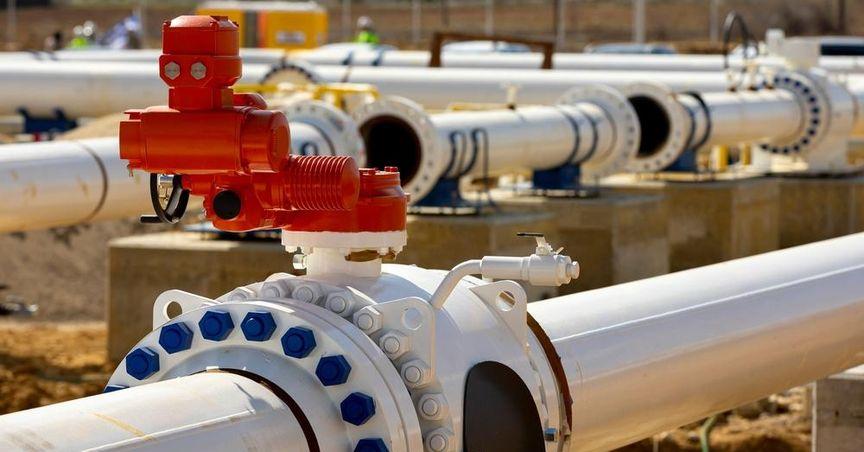
Development infrastructure also includes pipelines and processing equipment used to transport hydrocarbons from well sites to central facilities. These facilities separate oil, gas, and other components present in production streams before further transportation.
Crude Oil Production Systems
Crude oil production represents an important part of upstream energy operations. Oil reservoirs consist of underground rock formations containing hydrocarbons trapped within porous structures. Production wells access these reservoirs and allow crude oil to flow to the surface.
Oil extracted through production wells is transported to gathering systems where initial separation processes occur. These systems remove water and associated gases before the crude oil is stabilized for transportation.
Transportation infrastructure then moves crude oil through pipelines or storage systems toward refining facilities or distribution hubs. Refineries process crude oil into refined petroleum products that support transportation, manufacturing, and industrial energy systems.
Natural Gas and Natural Gas Liquids Production
Natural gas reservoirs frequently exist alongside crude oil deposits within sedimentary basins. Natural gas production occurs through wells drilled into gas bearing formations where pressurized gas flows toward the surface.
Raw natural gas extracted from reservoirs typically contains a mixture of hydrocarbon gases and other substances. Processing plants separate natural gas liquids and remove impurities before gas enters pipeline networks.
Natural gas liquids extracted during processing include hydrocarbon components used in petrochemical manufacturing, heating fuels, and industrial applications. These liquids represent additional resources derived from hydrocarbon reservoirs.
Within this production environment, Bonterra Energy Corp. manages hydrocarbon extraction programs involving crude oil, natural gas, and natural gas liquids derived from reservoirs in the Western Canadian Sedimentary Basin.
Energy Infrastructure and Production Networks
Oil and gas production depends on extensive infrastructure networks designed to support extraction and transportation of hydrocarbons. Well sites, gathering pipelines, processing plants, and storage facilities form the foundation of upstream energy operations.
Production wells connect underground reservoirs to surface equipment that regulates hydrocarbon flow. Gathering systems transport extracted resources toward central processing facilities where separation and treatment occur.
Processing plants remove impurities and separate hydrocarbons into distinct components such as crude oil, natural gas, and natural gas liquids. These resources are then transported through pipeline networks toward refineries or energy distribution systems. Energy infrastructure within hydrocarbon producing regions enables the movement of resources from reservoirs to industrial and consumer markets.
Energy Companies Within Market Benchmarks
Resource exploration companies frequently appear in discussions linked with market benchmarks such as the tsx small cap etf. These benchmarks include companies operating across diverse sectors including energy production, infrastructure services, manufacturing, and technology.
Energy producers contribute to economic systems by developing hydrocarbon reserves and maintaining infrastructure that supports energy supply chains. Exploration companies manage drilling programs, operate production facilities, and coordinate transportation networks connecting extraction sites with downstream markets.
Within this broader energy landscape, Bonterra Energy Corp. participates in hydrocarbon exploration and production activities within the Western Canadian Sedimentary Basin. Hydrocarbon producers operating within regional basins form an important part of the resource sector represented in market benchmarks tracking smaller publicly listed corporations.
