
 AUS
AUS
 NZ
NZ
 UK
UK
 CA
CA
 USA
USA
 IND
IND



Highlights
- Midstream infrastructure firms provide consistent returns through pipeline-based services.
- Energy transport and logistics networks operate similarly to toll roads, generating regular income.
- Real estate and utility-aligned models support stability in income distribution.
Energy Infrastructure and Consistent Returns
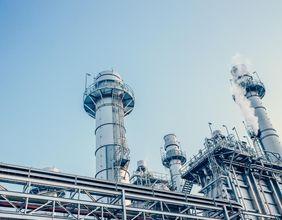
Energy transport businesses maintain large networks that serve as vital logistical frameworks for crude oil and natural gas distribution. These networks tend to be long-established, with extensive pipeline systems spanning large regions and facilitating continuous throughput across energy sectors.
Firms operating in this domain emphasize consistent operational output over speculative growth, often branding their approach as low-risk and utility-like. This characterization reflects stable, contract-based revenue streams, which can contribute to sustained income distribution over time.
Structural upgrades and network expansions may further reinforce reliability, especially when acquisitions align operations more closely with regulated utility standards. Such consolidation enhances integration and can improve delivery capacity across residential and commercial segments.
High Dividend Stocks often include companies that build their operations around long-term service contracts, enabling them to support recurring income streams underpinned by operational consistency and logistical scale.
Pipeline Models and Cash Flow Stability
Pipeline operators maintain systems designed to function like toll roads, where usage generates a continuous inflow of revenue. These assets are typically secured through long-term transport agreements, which reduce exposure to commodity price fluctuations.
As a result, midstream operations may function as predictable income engines. The long life span of infrastructure assets, combined with contractual obligations, limits volatility and helps preserve payout schedules that are often considered reliable by stakeholders.
In certain regions, regulatory approval for expansion supports ongoing project development, further entrenching a company’s network and extending reach into new demand areas. This leads to system enhancement that reinforces existing financial models without requiring fundamental operational shifts.
Utility-Aligned Business Models
Organizations that incorporate regulated utility operations into their core structure often benefit from policy-driven stability. By aligning with local and national utility standards, they deliver essential services under fixed frameworks that help manage risk.
Some of the largest natural gas providers have combined their infrastructure holdings with customer-facing delivery systems. This integration strengthens value chains and often increases customer reach within residential and commercial distribution networks.
This dual role—managing both infrastructure and end-user distribution—enables companies to maintain system oversight while supporting large-scale delivery capabilities. Over time, this operational design contributes to service reliability and steady output.
Real Estate Income Models and Historical Track Records
Real estate management businesses with a focus on income-generating properties frequently adopt strategies that prioritize recurring distributions. Their portfolios typically consist of retail centers, industrial spaces, and commercial zones leased under multi-year agreements.
These agreements contribute to regular income scheduling, as lease terms create predictable cash inflows. Property acquisition and development decisions are often framed by long-term distribution goals, aligning strategy with a consistent payout approach.
Historical performance may be a central aspect of positioning for these entities, as consistent past income distribution is often viewed as an indicator of management discipline and asset durability. Ongoing acquisition of high-occupancy properties also helps maintain this pattern.
Operational Diversification and Stability
Stability in income generation is frequently supported by operational diversification. Firms that span multiple regions or service areas are less susceptible to localized disruptions, allowing for smoother performance across economic cycles.
This geographic and functional diversification may be further complemented by vertical integration, particularly in energy and utility models. By managing various components of the supply chain, businesses can control key risk factors and streamline delivery mechanisms.
When expansion is pursued through acquisition, it is often used to strengthen an already established network. These additions are integrated to reinforce distribution reach or infrastructure capacity, ultimately helping to sustain long-term cash flow strategies.
Frequently Asked Questions
- What defines a company as high dividend?
Firms categorized this way typically maintain consistent income distribution supported by stable operational models and structured revenue streams. - Are real estate and utility sectors associated with steady income?
Real estate income trusts and utility-aligned companies often provide regular returns due to long-term leases and regulated frameworks. - How do pipeline operators contribute to consistent payouts?
Pipeline-based companies rely on long-term transport agreements, which reduce volatility and support regular income distribution.
