
 AUS
AUS
 NZ
NZ
 UK
UK
 CA
CA
 USA
USA
 IND
IND






Highlights
- Shares strengthened after a quarterly update showed improved per share results alongside firmer operating measures, supporting positive market tone
- Electrification programs, eDrive manufacturing capacity, and advanced driver-assistance content remain central themes across customer launches
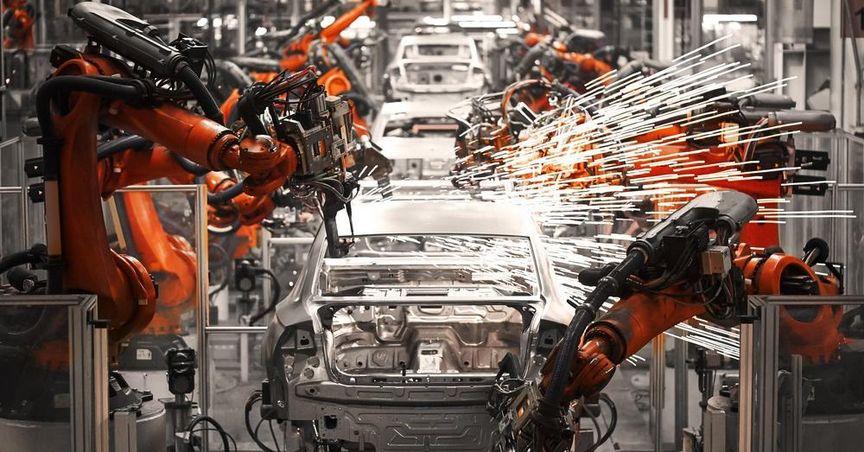
- Broad manufacturing scale and complete vehicle capabilities keep attention on execution across Europe and China programs
Magna operates in the automotive parts and systems segment, supplying vehicle makers with components and assemblies across body, powertrain, seating, electronics, and mobility technology.
Magna International Inc (TSX:MG) operates within Canada’s auto supply segment, where performance is often tied to vehicle programme timing, factory build plans, and platform rollouts. The space is also adapting as manufacturers expand electrified drivetrains and add software-driven features, which can shift component content, validation needs, and production complexity across new launches. This backdrop is frequently viewed alongside broader Canadian benchmarks such as the TSX 60.
Recent trading activity for followed a quarterly update that paired improved per share results with steadier operating measures such as net margin and return on equity. Market behaviour also reflected technical momentum as shares moved above a long-term moving average, aligning financial progress with a more constructive chart setup.
Which operations drove recent strength?
The quarterly update pointed to steadier performance across manufacturing operations, supported by cost discipline, programme mix, and production alignment with customers. In auto supply, small changes in utilisation, launch stability, and warranty outcomes can influence margins, so operational consistency often draws attention even without dramatic changes.
Beyond the headline per share improvement, observers often focus on how efficiently plants are running, how quickly programmes stabilise after launches, and how well supply chains remain synchronised. These themes connect directly to the company’s ability to deliver complex modules and systems on time across multiple regions.
How does electrification shape execution?
Electrification remains a key theme across Magna’s (TSX:MG) product lineup, including eDrive systems, power electronics, and drivetrain components used in battery-electric and hybrid vehicles. Progress in this area is commonly tracked through programme launches, factory ramp coordination, workforce learning curves, and consistent quality outcomes as production activity expands. Broader market context is often referenced through the S and P tsx index.
For attention frequently centres on whether electrification-related programmes translate into dependable factory throughput and repeatable production. In this part of the sector, the narrative is often built on manufacturing readiness rather than announcements alone, with credibility shaped by launches that meet customer timing and quality expectations.
Where do new programmes expand?
Global programme activity has included work tied to Europe and China, where electrified platforms and regional production strategies can shape supplier allocation. Assembly and systems content linked to new vehicle programmes can bring multi-year manufacturing visibility, but it also demands careful coordination across engineering, tooling, and plant commissioning.
Magna’s (TSX:MG) footprint and experience in complete vehicle work add a distinct dimension within the supplier landscape. Complete vehicle programmes can showcase integration capability across body systems, closures, electronics, and final assembly processes, reinforcing the company’s positioning as a partner for complex builds rather than only discrete parts.
What signals come from charts?
Technical attention increased as shares moved above a long-term moving average, a level many market participants treat as a barometer of trend direction. While charts do not change factories or customer orders, they can influence near-term sentiment and trading behaviour, especially when paired with supportive operational updates.
This blend of firmer operating measures and improved technical posture can elevate focus on whether operational execution continues to validate the market’s interpretation. For the interaction between operational delivery and market tone becomes a key feature of how the story is discussed in broad market contexts tied to the TSX Composite Index.
How do margins guide attention?
Net margin is frequently referenced because it reflects how effectively revenue converts into operating results after accounting for production costs, overhead, and programme dynamics. In auto supply, margins can shift with launch cadence, material costs, logistics stability, and the balance between mature programmes and newer ramps.
Return on equity is also monitored as a measure of how efficiently capital supports overall performance. For Canadian-listed industrial names, comparisons are often framed against broader benchmarks such as the S and P tsx index, where market participants evaluate operational steadiness, capital intensity, and the durability of programme mix over time.
What capabilities support broad supply?
Magna’s (TSX:MG) scale is closely tied to its ability to manufacture across multiple systems categories, from body and exterior solutions to seating, electronics, and driveline content. This breadth can support diversification across customer platforms, regions, and propulsion types, with performance influenced by how well plants execute and how effectively engineering supports programme transitions.
Advanced driver-assistance systems and next-generation mobility content also shape the product mix. Sensor integration, electronic control units, and software-adjacent components can carry different operational demands than traditional mechanical parts, often requiring tighter quality controls, specialised testing, and closer coordination with vehicle makers’ validation processes.
How do capital choices matter?
In auto supply, capital spending often reflects tooling needs, capacity expansions, and programme-specific investments required to support launches. Electrification can raise the emphasis on specialised equipment and validation processes, especially for eDrive assemblies and related components that carry stringent quality requirements.
Market discussions around (TSX:MG) often weigh manufacturing readiness, disciplined cost management, and the balance between maintaining broad capacity and staying selective on programme commitments. Benchmark references can appear in Canadian market coverage alongside links to the s&p tsx composite index and the TSX 60, reflecting how large industrial names are viewed within wider index contexts.
