
 AUS
AUS
 NZ
NZ
 UK
UK
 CA
CA
 USA
USA
 IND
IND



Highlights
- Aritzia operates as a fashion design and retail company with a focus on exclusive brands.
- Retail stores and digital platforms form the core of its distribution network.
- Market activity around apparel companies often aligns with broader benchmarks such as the Tsx Completion Index.
Canada’s retail and apparel sector continues to evolve through integrated design and distribution models that combine physical stores with digital commerce platforms. Aritzia Inc. (TSX:ATZ) functions within this environment as a design house and retailer offering a range of apparel and accessories under proprietary brands. Companies in this segment are often associated with broader market indicators such as the Tsx Completion Index, which reflects a wide spectrum of publicly listed firms across various industries including retail, technology, and industrial services. The inclusion of consumer focused businesses in such benchmarks highlights the importance of retail activity within Canada’s economic structure.
Aritzia Inc. focuses on creating apparel collections that are marketed under exclusive in house brands. The company operates as both a designer and distributor, allowing control over product development, branding, and retail presentation. This integrated model connects design, sourcing, merchandising, and customer experience into a unified operational framework.
Integrated Fashion Design and Brand Portfolio
The company’s operations begin with the design and development of fashion products tailored to contemporary apparel trends. Design teams work on creating collections that include a wide range of clothing categories such as tops, dresses, outerwear, and accessories. These collections are produced under a portfolio of exclusive brands developed internally.
The integrated structure enables alignment between design and retail strategies. By maintaining control over product creation, the company ensures consistency in brand identity and product positioning across its offerings. This approach also supports coordinated seasonal collections that reflect changes in consumer preferences and fashion trends.
Product categories include casual wear, formal apparel, and seasonal outerwear designed to meet varying customer preferences. Accessories complement the clothing collections, creating a cohesive merchandise offering within retail locations and digital platforms.
Retail Network and Customer Experience
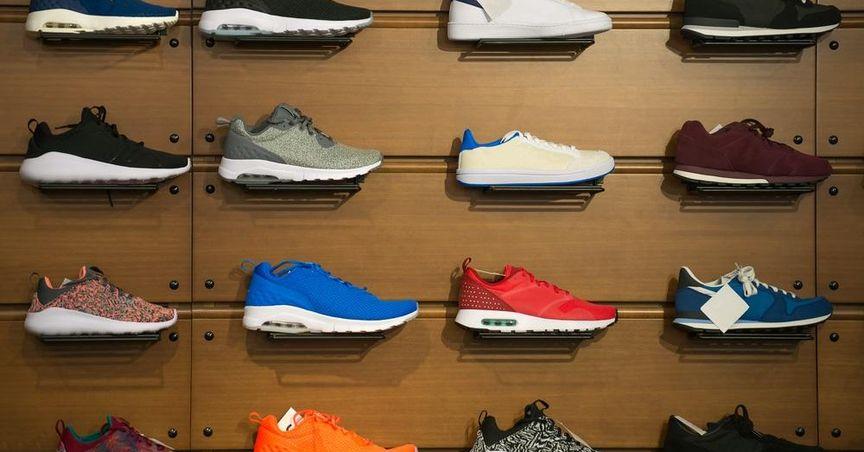
Aritzia operates a network of retail boutiques designed to deliver a curated shopping experience. Physical store locations are structured to reflect the brand’s aesthetic, with layouts emphasizing product presentation and customer engagement. Store environments often include dedicated sections for individual brand lines, creating a distinct identity for each collection.
Retail operations focus on providing an in store experience that integrates merchandising, customer service, and visual presentation. Sales teams support customer interactions by guiding product selection and facilitating purchases within boutique settings.
The retail network spans key markets in Canada and extends into the United States. Expansion into multiple geographic regions supports access to a broader customer base while maintaining brand consistency across locations. Store presence in urban centers allows alignment with fashion trends and consumer demand in major metropolitan areas.
E Commerce and Digital Expansion
Alongside physical retail operations, Aritzia (TSX:ATZ) has developed a digital commerce platform that supports online shopping. The e commerce channel provides access to product collections through a centralized website that offers browsing, purchasing, and delivery services.
Digital platforms enable the company to reach customers beyond physical store locations. Online channels also provide opportunities to showcase full product assortments, including items that may not be available in all retail stores. Integration between retail and digital platforms allows customers to transition between in store and online experiences.
Logistics and fulfillment systems support the delivery of products purchased through digital channels. Warehousing, inventory management, and shipping operations form part of the infrastructure required to maintain efficient e commerce services. These systems connect product availability with customer demand across multiple regions.
Apparel Categories and Product Diversity
The company’s product portfolio includes a wide variety of apparel categories designed to address different styles and seasonal needs. Clothing offerings range from everyday wear such as T shirts and blouses to more structured garments including dresses, jackets, and coats. Additional categories include skirts, shorts, jumpsuits, and knitwear.
Seasonal collections often introduce variations in fabrics, colors, and designs aligned with changing weather conditions and fashion cycles. Outerwear collections may focus on functionality and style during colder seasons, while lighter fabrics and designs appear in warmer periods.
Accessories complement the clothing lineup, providing additional styling options for customers. Items such as bags and other fashion accessories are designed to integrate with apparel collections, creating a cohesive presentation across product categories.
Market Presence and Benchmark Alignment
Consumer focused companies contribute to the diversity of sectors represented within Canadian market indicators such as the tsx composite index. This benchmark includes firms across a range of industries, reflecting the breadth of economic activity within Canada’s public markets.
Retail and apparel companies play a role in this landscape by connecting consumer demand with product design and distribution networks. Through physical stores and digital platforms, these companies engage with customers and contribute to retail activity across domestic and international markets.
Aritzia’s integrated approach to design, branding, and distribution positions the company within this broader consumer retail framework. Operations spanning product development, merchandising, and sales channels highlight the interconnected nature of modern retail systems.
