
 AUS
AUS
 NZ
NZ
 UK
UK
 CA
CA
 USA
USA
 IND
IND






Highlights
- Canadian equities reach a record high, surpassing the 30,000 mark for the first time.
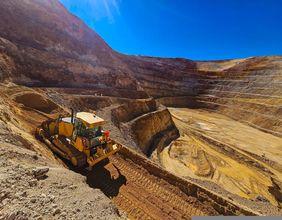
- Gold and materials sectors lead gains, supported by strong bullion prices and safe-haven demand.
- Corporate earnings exceed expectations, reinforcing market resilience despite trade and economic pressures.
Canadian Markets Hit Record Highs Despite Challenges
The Canadian stock market achieved a historic milestone as the S&P Composite Index crossed the 30,000 level, reflecting robust market performance amid global uncertainty. The Toronto Stock Exchange (TSX) has now recorded 45 closing highs this year, the most since the post-pandemic rebound in 2021. Strong corporate earnings, a flight toward gold, and easing borrowing costs have driven this rally.
Barrick Gold (TSX:ABX), one of Canada’s largest gold producers, exemplifies the trend of safe-haven investments driving sector strength. Bullion demand remains elevated as investors navigate geopolitical tensions, trade policy concerns, and interest-rate expectations. This momentum underscores Canada's resilience relative to other global markets, including the U.S.
What Are the Key Drivers Behind This Milestone?
The 30,000 mark is more than a psychological benchmark—it highlights structural strength in the Canadian economy and equity markets. Analysts attribute the rally to several core factors:
1. Strong Corporate Earnings
Canadian companies have consistently surpassed market expectations. As of mid-September, earnings from TSX-listed firms averaged 7.5% above analyst forecasts. Notable contributors include major miners, resource companies, and select technology and industrial firms. This robust performance provides a cushion against tariff-related headwinds and slower economic growth.
2. Safe-Haven Flows Into Gold and Materials
The materials sector, particularly gold mining, has been the largest driver of TSX gains. Gold miners such as SSR Mining Inc., Discovery Silver Corp., and Lundin Gold Inc. have posted significant returns, with the sector collectively surging by over 70% this year. Safe-haven demand remains strong amid global uncertainties, with bullion prices at record levels. Gold now represents approximately 12% of the TSX, highlighting its strategic influence on benchmark performance.
3. Monetary Policy and Borrowing Costs
Markets are also reacting to the prospect of additional Bank of Canada interest-rate adjustments. Lower borrowing costs increase liquidity and enhance corporate margins, supporting equities and fostering market confidence. This dynamic encourages investment in sectors sensitive to rates, such as materials and industrials.
Which Companies Experienced Notable Movements?
Several TSX-listed companies stood out during this record-setting run:
-
Barrick Gold (TSX:ABX): A leading global gold producer with extensive operations in North and South America, driving investor interest amid safe-haven flows.
-
Discovery Silver Corp.: A junior silver and gold explorer, notable for delivering triple-digit gains that have bolstered the materials sector.
-
SSR Mining Inc.: Engaged in gold production and exploration with assets across the Americas, contributing to TSX’s overall strength.
-
Lundin Gold Inc.: Operating key mining assets in South America, benefiting from rising bullion prices and investor confidence in precious metals.
These companies reflect broader trends in Canadian markets, emphasizing commodity-driven growth and resilience under economic uncertainty.
How Are Market Sentiments Shaping Industry Direction?
Investor sentiment has played a critical role in the current market trajectory. Despite trade friction and higher unemployment rates, confidence in Canadian equities remains strong. Several factors influence sentiment:
-
Earnings Surprises: Companies surpassing expectations reinforce positive perceptions, attracting both domestic and foreign capital.
-
Sector Rotation: Investors increasingly favor materials and gold over cyclicals and sensitive sectors, reflecting risk aversion and strategic hedging.
-
Macro Awareness: Awareness of global risks, including tariffs and geopolitical instability, has prompted a focus on industries with defensive characteristics and high liquidity.
This combination of factors ensures that the market maintains momentum, with investor sentiment aligned toward resilient and high-performing sectors.
What Role Do Global Developments Play?
Global economic developments continue to impact Canadian markets:
-
U.S. Policy and Tariffs: Trade dynamics, particularly U.S.-Canada relations, affect export-dependent industries and corporate profitability. Despite tariffs, Canadian firms have maintained earnings growth, demonstrating adaptability.
-
Commodity Prices: International demand for gold, silver, and industrial metals supports TSX-listed miners and materials companies. Commodity markets are influenced by global growth trends, geopolitical uncertainty, and currency fluctuations.
-
Interest Rates Abroad: Decisions by the Federal Reserve and other central banks shape global liquidity, influencing Canadian equities and foreign investment flows.
Canada’s ability to navigate these external pressures while setting record highs underscores its market stability and sectoral depth.
What Are the Sectoral Trends Driving the TSX?
1. Materials:
The materials sector, including gold, silver, and base metals, has been a clear leader. This trend is driven by commodity price surges and strong corporate results.
2. Financials:
Canadian banks and insurance companies continue to benefit from robust balance sheets and controlled risk exposure. Stable lending practices and resilient earnings have kept the sector competitive.
3. Industrials and Energy:
Although energy markets face volatility, select industrials have seen growth due to export demand and operational efficiencies. Energy infrastructure companies also remain pivotal in market performance.
How Are Investors Responding to the Record Milestone?
Investor behavior reflects optimism and tactical positioning:
-
Increased Equity Allocation: Milestone highs prompt re-evaluation of portfolios, with capital flowing into high-performing sectors.
-
Diversification to Defensive Assets: Safe-haven allocations, particularly in gold and materials, balance risk amid macro uncertainties.
-
Monitoring Economic Indicators: Market participants are closely watching employment, interest rates, and trade developments to guide positioning.
This cautious optimism balances risk with growth opportunities, maintaining steady participation in the Canadian equity market.
