
 AUS
AUS
 NZ
NZ
 UK
UK
 CA
CA
 USA
USA
 IND
IND





Highlights
- The Canadian benchmark index outpaced the S&P 500 in the first half of the year, largely propelled by gold sector strength.
- Precious metals stocks accounted for half of the gains on the index, with several of the top-performing stocks belonging to this sector.
- Broader market support came from sector diversity and policy developments, despite weaknesses in energy and declining forecasts.
Canada’s Gold Rally Drives Index Performance Over S&P 500
Canada’s primary stock benchmark demonstrated significant performance in the first half of the year, driven primarily by strong momentum in the gold sector. With a mix of materials, energy, and financials, the Toronto-based index benefited from heightened market activity in precious metals. The s&p composite index, which reflects broader economic activity in Canada, recorded a stronger advance than the S&P 500 over the same period.
Precious Metals Stocks Outperform Broad Market
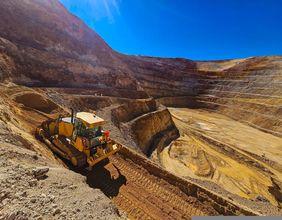
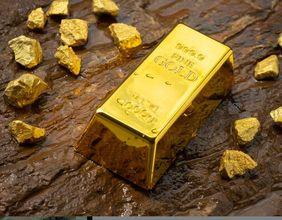
Gold and silver stocks were among the strongest contributors to index performance during the first half of the year. A combination of geopolitical tensions and uncertainty around international trade sparked increased demand for safe-haven assets. As a result, companies in the gold sector saw a sharp rise in market value.
Lundin Gold Inc. (TSX:LUG) led gains with a substantial increase in share price. Other major contributors included Agnico Eagle Mines Ltd. (TSX:AEM) and Wheaton Precious Metals Corp. (TSX:WPM). Together, these and similar companies accounted for half of the S&P/TSX Composite Index’s overall advance through mid-June. The rally was supported by market participants moving capital toward assets seen as more resilient during uncertain conditions.
According to market notes published during the period, the uptick in gold and silver stock performance was described as "exceptional," fueled by persistent tariff tensions and macroeconomic uncertainty. This helped drive four of the top 10 index performers from the precious metals space.
Index Returns Outpace U.S. Counterpart
The index posted a year-to-date rise through June that surpassed the S&P 500's growth over the same period. When measured in U.S. dollar terms, the performance mirrored other global indexes with significant gold exposure.
This outperformance was primarily due to strong price movements in the metals markets, leading to inflows toward companies within the sector. Market observers have noted that this was not limited to Canada alone, as other indexes with similar compositions also experienced comparable upward movement.
Although the rally remained strong through June 18, the end of the month saw some cooling in gold prices. This coincided with easing geopolitical and trade concerns, which had previously pushed the metal to new highs.
Uncertainty Looms Over Gold’s Next Phase
While gold supported early-year performance, there is debate surrounding the sustainability of this trend. Sector specialists noted that many of the drivers of gold’s initial surge—such as tariff uncertainty and regional instability—had diminished by late June.
Revenue outlooks for companies within the index, particularly in sectors outside of materials, have also started to decline. This was most evident in the energy segment, where forecasts showed notable deterioration. The large representation of energy-related companies in the index created a drag on forward expectations.
Market strategists highlighted that while gold’s earlier momentum had a significant impact, future performance could hinge on how other sectors—particularly energy and financials—respond to domestic and global economic developments.
Diversification and Policy Outlook Support Broader Index Strength
Despite the deceleration in precious metals toward the end of June, the broader market composition may provide continued resilience. The S&P/TSX Composite Index features a significant presence in sectors such as financials and energy, alongside materials. This diversity has been a factor drawing global funds into Canadian equities, even beyond the gold narrative.
Additionally, the policy landscape in Canada has evolved under new federal leadership. Prime Minister Mark Carney’s government is seen as promoting economic expansion through growth-focused measures. A mandate emphasizing productivity, competitiveness, and business development has been noted as contributing to the favorable environment.
Some market participants expect that this pro-growth agenda may support broader equity performance, potentially offsetting any softness in metals or energy prices in the latter half of the year.
