
 AUS
AUS
 NZ
NZ
 UK
UK
 CA
CA
 USA
USA
 IND
IND





Highlights
TSX Index closed lower as materials group posted losses
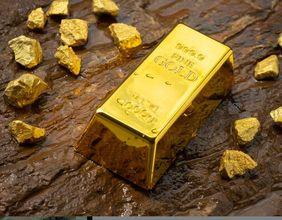
Gold prices declined, contributing to downward pressure on mining shares
Industrial stocks fell while energy stocks gained as oil prices rose
The TSX Index ended the session lower after reaching a record closing high in the previous trading day. A decline in precious metal prices affected the performance of material stocks, contributing to the overall pullback in the Canadian market.
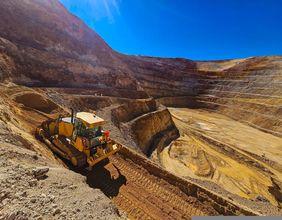
Gold prices dropped to their lowest level in several weeks. The downturn coincided with the strengthening of the U.S. dollar, following the announcement of a trade agreement between the United States and the European Union. This move impacted mining companies listed on the TSE/TSX, leading to notable declines within the materials sector.
Industrial Stocks Experience Broad-Based Decline
Industrial companies recorded a downturn, adding to the pressure on the index. The pullback came despite ongoing negotiations between Canada and the United States regarding a new trade arrangement. While discussions are reportedly in an advanced phase, expectations for a completely tariff-free agreement remain low.
The industrials group showed weakness across several segments, marking a reversal from the gains seen earlier in the month. Market observers indicated that recent gains may have led to a period of consolidation in the sector.
Energy Stocks Rise Alongside Crude Oil Prices
In contrast to the materials and industrial sectors, the energy segment recorded gains during the session. A rise in global crude oil prices contributed to strength in oil-linked companies within the TSE/TSX. The upward momentum in energy shares helped offset some of the losses seen in other sectors.
Oil prices gained amid supply concerns and geopolitical developments that affected expectations for global production. This provided some support to the broader index, even as other sectors declined.
Trade Developments Impact Market Sentiment
A newly formalized trade agreement between two of the world's largest economies was introduced. The accord includes new tariffs on imported goods and provisions to safeguard specific industries. The news had already been widely anticipated, limiting any significant market response.
Market reaction remained subdued as expectations around the deal had been priced into recent market gains. Some market participants opted to secure recent gains, contributing to broader-taking across key sectors.
What caused the TSX Index to decline today?
A drop in gold prices and weakness in mining and industrial stocks contributed to the pullback in the TSX Index.
Which sectors performed positively despite the overall decline?
The energy sector recorded gains as oil prices moved higher during the session.
How did the U.S.-EU trade agreement affect the market?
The announcement led to a stronger U.S. dollar, pressuring gold prices and influencing market sentiment, though much of the impact had already been anticipated.
