
 AUS
AUS
 NZ
NZ
 UK
UK
 CA
CA
 USA
USA
 IND
IND





Highlights:
Westshore Terminals Investment operates a coal storage and loading terminal in British Columbia.
The company generates revenue through rates charged for coal loading onto seagoing vessels.
Market performance is influenced by coal demand, shipping activity, and operational efficiency.
Westshore Terminals Investment (TSX:WTE) opened trading at a stable price level, reflecting its position in the transportation and logistics sector. The stock has remained within a defined range over recent months, with moving averages offering insight into its price trends. These indicators provide a perspective on stock fluctuations over different time frames.
Market capitalization places the company within a competitive segment, with valuation metrics aligning with industry benchmarks. Beta levels indicate relative price movement in relation to broader market conditions.
Financial Position and Liquidity Ratios
The company maintains a structured financial position with liquidity ratios reflecting its ability to manage short-term obligations. A balance between current and quick ratios provides insight into available resources for operational expenses.
Debt-to-equity levels highlight financial structuring, outlining the proportion of external financing relative to shareholder equity. Companies in capital-intensive industries often carry structured debt levels to support operational growth.
Operational Overview and Revenue Sources
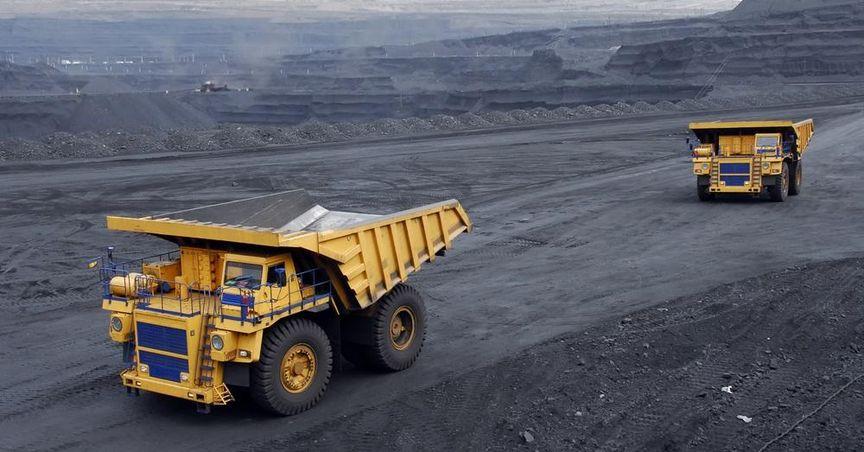
Westshore Terminals Investment owns and operates a coal storage and loading facility, serving mines across multiple regions. Revenue generation is primarily derived from service fees for coal loading onto seagoing vessels. The company facilitates coal shipments from British Columbia, Alberta, and select areas in the northwestern United States.
Operational efficiency remains a focal point, ensuring smooth transportation logistics and coal handling processes. Terminal infrastructure supports large-scale loading operations, accommodating international shipments.
Market Environment and Industry Factors
The coal transportation sector operates within a framework of supply chain logistics and global demand patterns. Shipping activity and export volumes play a role in determining overall revenue trends.
External conditions, including economic developments and regulatory frameworks, influence operational dynamics. The company's positioning within this sector allows it to engage with diverse market participants.
Historical Performance and Sector Trends
Westshore Terminals Investment has remained active within the industry, adapting to changes in transportation demand. The company's infrastructure and service capabilities contribute to its role in facilitating coal exports.
Sector trends, including shifts in energy demand and commodity pricing, interact with operational planning. The company's performance reflects broader industry movements and market conditions.
