
 AUS
AUS
 NZ
NZ
 UK
UK
 CA
CA
 USA
USA
 IND
IND






Highlights
- Broad sector strength contributed to an upward shift across major Canadian listings.
- Financial and technology groups generated notable upward traction throughout the session.
- Market direction reflected reactions to maintained policy settings by key central institutions.
Broad Canadian market sectors advanced during the session, with financial, technology, and materials listings shaping a stable upward close under consistent policy conditions and sustained sector engagement
Canadian equity activity concluded with a broadly supportive tone as sector groups across financial, technology, and materials categories showed steady upward movement. The session unfolded in an environment shaped by policy continuity from central institutions, which contributed to measured stability across benchmarks, including the S&P/TSX Composite Index (TXCX). Among the listed entities, Toronto-Dominion Bank (TSX:TD) and Shopify Inc (TSX:SHOP) were present within sector dynamics that influenced overall directional trends.
How did financial listings contribute to the upward market direction?
Financial listings played a central structural role within the daily pattern of activity. Market participants observed broad upward traction within the financial category as entities associated with lending, asset administration, and deposit functions demonstrated stable interest across exchanges. Within this landscape, Toronto-Dominion Bank (TSX:TD) contributed to sectoral steadiness through consistent engagement in its established commercial and retail frameworks, which span credit facilitation, transactional channels, and diversified operational programs. The bank’s listing reflected an uplift that aligned with the broader directional tone across the financial group, where collective strength added to the overall positive close of the Canadian market session.
What led to the strong presence of technology listings in the daily market rhythm?
Technology listings exhibited pronounced upward momentum throughout the session. Structural interest in this category centered on operational scalability, platform expansion, and digital commerce ecosystems. Shopify Inc (TSX:SHOP) remained a key participant in this theme, as its activity within cloud-based merchant integration and product interface facilitation supported the elevated tone of the technology category. Broader engagement with digital infrastructure, software development, and system optimization further buoyed the sector’s position, contributing to the rising cadence that permeated the market close. With algorithmic, software-based, and logistical technology continuing to influence commercial patterns, the sector added substantial support to the wider Canadian market uplift.
What influence did central institution decisions have on the session?
Central institution decisions played a prominent contextual role during the session. Policy settings remained unchanged, maintaining a steady backdrop for financial activities across the Canadian landscape. This stability allowed market categories to function within familiar parameters, reducing abrupt structural shifts across lending frameworks, regulatory channels, or macroeconomic alignment. While central authorities maintained existing direction, cross-border institutions also held to anticipated measures, collectively reinforcing an environment free from unexpected deviations. This dual stability added clarity to the session’s flow, enabling sector groups to respond through established positions without introducing abrupt directional uncertainty.
How did materials and mining listings influence the overall market movement?
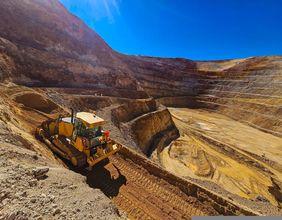
Materials and mining listings also contributed meaningfully to the market’s upward pathway as resource-linked entities experienced supportive engagement. Activity across metal extraction, processing, and refining categories was buoyed by steady interest in resource-driven operations, which typically respond to shifts in commodity patterns, global supply interactions, and industrial demand flows. The materials group, inclusive of mining entities, advanced through consistent traction tied to metals associated with industrial frameworks, fabrication channels, and manufacturing inputs. Their collective movement served as an additional pillar of strength within the broader Canadian equity spectrum.
What sectoral patterns emerged during the closing phase of the trading session?
Sectoral patterns throughout the closing phase revealed coherent upward momentum across multiple categories. The financial group advanced due to supportive engagement in lending institutions and diversified commercial entities. The technology group maintained strong presence through digital service expansion and platform-driven commercial activity. Materials and mining listings produced stable traction amid resource-focused market interaction. This tri-sector uplift created a synchronized pattern in which multiple industries pushed the broader exchange into positive territory. Gradual, consistent advances defined the session’s rhythm rather than sudden, uneven changes in direction, illustrating the interconnected nature of sector behavior within Canadian trading structures.
How did global monetary developments intersect with Canadian market behavior?
Global monetary developments intersected with Canadian market behavior through signals of continuity in policy direction from cross-border authorities. International institutions maintained approaches that aligned with widely held expectations, thereby supporting a stable framework within which Canadian listings could operate. Technology, financial, and materials categories responded within this atmosphere of continuity, translating consistent global policy positioning into a calm backdrop for domestic sector activity. This alignment reinforced structural steadiness across exchanges during the daily cycle and contributed to the overall elevated tone of the closing phase.
What structural elements shaped the broad upward direction of the Canadian equity landscape?
Several structural elements shaped the upward movement in the Canadian equity landscape. Sector cohesion served as a central feature, with financial entities leading through diversified banking operations and technology listings adding support through digital commerce and software ecosystems. Resource-linked listings in the materials category provided depth as industrial metals remained a focal point within global supply and production channels. Regulatory clarity also contributed to the environment, as unchanged policy stances reduced the likelihood of abrupt directional changes. The result was a session defined by reinforced stability, sector alignment, and broad-based participation across Canadian listings.
What role did market sentiment tied to central communication play in shaping movement?
Market sentiment tied to central communication created a framework of steady engagement across the trading landscape. Statements from central institutions conveyed adherence to established policy positioning, which contributed to a sense of continuity across monetary conditions. This communicated stability reduced the likelihood of abrupt fluctuations in financial environments and allowed sector groups to respond within familiar operational contours. As a result, financial, technology, and materials listings exhibited patterns consistent with the measured environment, supporting the broader upward tone that characterized the concluding phase of the trading session.
How did sector interplay contribute to the broader Canadian market landscape?
Sector interplay played a foundational role in shaping the broader Canadian market landscape. Financial institutions provided core structural support through diversified service frameworks, while technology listings delivered momentum linked to operational expansion in digital ecosystems. Metal and mining groups reinforced overall direction through resource-related activity that reflected ongoing industrial engagement. The complementary movement across these sectors generated a cohesive pattern in which advancing categories reinforced one another. Such interconnected behavior forms a central characteristic of the Canadian trading environment, where synergistic sector interplay influences directional flow across the exchange.
What broader themes emerged from the daily closing trends?
Broader themes from the closing trends highlighted a session defined by widespread strength across key Canadian market sectors. Financial listings displayed firm upward direction, technology entities advanced through strong platform engagement, and materials groups reflected steady industrial alignment. Policy continuity from central institutions reinforced the lack of abrupt directional shifts, allowing sector categories to follow established rhythms. This confluence of supportive elements created an overarching narrative of measured upward flow throughout the daily cycle, defining the atmosphere in which Canadian listings concluded the session.
What is the relevance of intersector dynamics in shaping closing activity?
Intersector dynamics serve as a critical element in shaping closing activity. The interconnected functioning of financial, technology, and resource categories creates a multi-layered foundation through which broad market direction emerges. Financial institutions provide systemic infrastructure through lending channels and transactional systems, technology listings introduce operational momentum through digital and software mechanisms, and materials entities supply industrial backbone through resource extraction and processing. These concurrent forces influence one another, forming a synchronized pattern that shapes the closing character of Canadian market sessions. Their interaction reinforces diversified participation and highlights the complex architecture underlying each day’s market behavior.
How did policy stability contribute to sector cohesion?
Policy stability contributed to sector cohesion by enabling market categories to align with established operational parameters. Financial institutions proceeded through familiar credit and transactional processes, technology entities continued working within existing structural frameworks, and materials groups maintained operations associated with industrial supply channels. The absence of sudden policy shifts strengthened cohesion across these sectors, allowing them to collectively influence the concluding tone of the session. This environment also supported broader participation across listings, as sector groups responded in predictable patterns rooted in prevailing conditions rather than abrupt reorientation.
What internal market mechanics shaped the rhythm of the session?
Internal market mechanics shaped the rhythm of the session through order flow dynamics, sectoral participation patterns, and liquidity distribution across categories. Financial listings experienced strong engagement due to their central role in transactional networks. Technology listings benefited from ongoing traction within digital commerce channels and cloud-based infrastructure. Materials listings engaged with industrial processes that influence extraction and production cycles. These mechanics operated simultaneously, forming an integrated rhythm that guided the session toward a constructive close characterized by coordinated upward movement.
How did resource-linked activity factor into market direction?
Resource-linked activity factored into market direction through participation from mining and materials listings associated with metals essential to fabrication, industrial manufacturing, and technological applications. Movement in these listings aligned with global patterns that influence supply flows and production cycles, resulting in supportive traction for the sector. As resource-linked entities engaged with broader industrial themes, their listing behavior contributed to the overall upward direction that characterized the Canadian market close. Their presence added depth to sector performance, complementing the strength shown by financial and technology categories.
What overarching narrative emerged from the Canadian market’s closing tone?
The overarching narrative reflected a session shaped by stability, sector alignment, and supportive participation across key categories. Financial listings demonstrated steady upward traction, technology entities continued advancing through digital expansion channels, and materials listings reinforced overall direction through industrial engagement. Policy continuity from central institutions formed a foundational element that influenced the session’s measured character. The resulting landscape was defined by calm, broad-based participation across Canadian sectors operating under consistent structural cues, culminating in an elevated closing tone.
