
 AUS
AUS
 NZ
NZ
 UK
UK
 CA
CA
 USA
USA
 IND
IND





Highlights:
- Marimaca Copper reports additional results from the Pampa Medina drilling campaign.
- New mineral extensions identified across sulphide and oxide zones.
- Expanded exploration program initiated to evaluate geological continuity.
Marimaca Copper (TSX:MARI) reports updated drilling results at Pampa Medina and launches an expanded exploration phase to evaluate geological extensions in northern Chile.
Marimaca Copper (TSX:MARI) operates within the metals and mining industry, a key segment contributing to industrial performance across Canada. The company focuses on copper exploration and project development across Chile, maintaining a portfolio centered on the Marimaca Copper Project. The sector continues to experience heightened attention due to ongoing shifts in mineral demand driven by industrial applications and technological manufacturing requirements.
Sector Overview
The metals and mining industry plays a central role in supporting energy transition technologies and global infrastructure development. Within this landscape, copper remains one of the most essential industrial metals due to its wide application in electrical systems, renewable energy projects, and construction. Mining companies engaged in copper exploration are adapting operations to align with the sector’s evolving environmental and technological parameters.
The industry’s operational priorities include efficient resource management, exploration innovation, and adherence to environmental standards. These elements have contributed to reshaping the strategic direction of companies such as Marimaca Copper, as the exploration focus expands toward new geological zones across its portfolio.
Exploration Activity at Pampa Medina
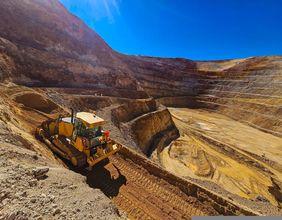
Recent exploration updates from Marimaca Copper highlight results from drilling conducted at the Pampa Medina deposit, located near the company’s flagship project in Chile. The campaign revealed extensions across key mineralized zones, expanding the geological understanding of the deposit’s structural continuity. The drilling program provided further clarity regarding subsurface characteristics, guiding the next phase of resource definition.
Following these outcomes, Marimaca Copper initiated an expanded exploration phase designed to deepen geological knowledge of the area. This larger campaign is aimed at identifying additional mineralized extensions and evaluating continuity between sulphide and oxide zones. Such work reflects the company’s broader exploration framework, which focuses on enhancing the definition of known resources through systematic field assessment.
Geological Context and Resource Development
The Pampa Medina deposit represents a significant geological target within Marimaca Copper’s (TSX:MARI) broader project corridor. The area exhibits mineralization features consistent with other copper systems in northern Chile, where extensive hydrothermal alteration zones indicate favorable conditions for further resource delineation. The company’s exploration approach combines surface mapping, geophysical interpretation, and targeted drilling to establish a comprehensive geological model.
The project’s proximity to existing infrastructure strengthens its operational foundation, offering logistical benefits for exploration and potential development activities. Through the integration of geological data and field results, Marimaca Copper aims to refine its resource model and strengthen its technical understanding of mineral occurrences across the Pampa Medina area.
Market Environment and Industry Drivers
Copper exploration continues to be influenced by the global transition toward renewable energy and electrification technologies. Demand for conductive metals remains a driving factor in long-term resource development strategies, as industries across energy, manufacturing, and construction require steady copper supply.
Macroeconomic conditions, including shifts in global production, trade flows, and material demand, contribute to shaping the direction of the metals and mining sector. Exploration companies are adapting to these dynamics by prioritizing efficiency and sustainability in field operations. Marimaca Copper’s ongoing work aligns with this broader industry movement, focusing on technological precision and data integration across its exploration stages.
Operational Expansion and Exploration Strategy
The commencement of a new drilling phase at Pampa Medina reflects the company’s continued exploration focus within the Marimaca district. This program is structured to build upon prior geological findings, incorporating expanded data collection and subsurface evaluation. The objective centers on identifying mineralized continuity zones while maintaining adherence to technical and environmental standards.
Operational teams are implementing geotechnical methods designed to optimize sampling accuracy and ensure consistency in reporting. Advanced modeling techniques contribute to a more refined understanding of subsurface mineral distribution, aiding in the delineation of potential target zones. These efforts support a systematic and methodical approach to exploration across the broader project area.
Environmental and Technical Considerations
Modern mining exploration increasingly emphasizes sustainability, environmental compliance, and community engagement. Marimaca Copper’s (TSX:MARI) exploration programs adhere to regional regulations governing land use and resource extraction. Environmental monitoring remains an integral part of operational planning, particularly within ecologically sensitive areas of northern Chile.
The company’s technical approach integrates environmentally responsible drilling practices aimed at minimizing disturbance. This includes careful management of exploration waste, water use optimization, and rehabilitation of disturbed areas upon completion of field activities. Such measures align with global standards promoting responsible resource development in the metals sector.
Infrastructure and Regional Access
The Marimaca Copper Project benefits from established regional infrastructure, including transportation corridors and proximity to power facilities. Access to existing logistics networks supports exploration continuity and facilitates the movement of materials and personnel. This infrastructure also enhances project efficiency by reducing the operational footprint required for exploration logistics.
The availability of nearby industrial services further contributes to operational readiness. This factor provides logistical flexibility, allowing field teams to maintain consistent drilling schedules and adapt to geological findings as exploration progresses. The location’s accessibility strengthens the long-term framework for continued project advancement.
Industry Comparisons and Operational Benchmarks
Within the copper exploration segment, project evaluation commonly involves comparisons based on geological scale, mineralization style, and proximity to infrastructure. Marimaca Copper’s (TSX:MARI) position in the Chilean copper belt provides strategic advantages related to established mining activity and existing technical expertise within the region.
Peer companies operating in similar geological settings follow comparable exploration methodologies that prioritize structural interpretation and mineral distribution mapping. These benchmarks provide reference points for evaluating the technical scope of ongoing programs. The company’s results at Pampa Medina contribute additional context to its position within the broader exploration landscape.
Strategic Developments and Technical Outlook
Ongoing work at Pampa Medina forms part of a larger regional exploration strategy that encompasses satellite targets surrounding the main Marimaca deposit. The integration of multiple exploration datasets enhances geological interpretation and facilitates the identification of broader mineral corridors. Such integrated exploration approaches are essential for understanding large-scale mineral systems and guiding project sequencing.
Continued technical evaluation across the region aims to consolidate findings into a cohesive resource framework. This process involves cross-referencing field data, core samples, and geochemical profiles to refine the understanding of mineral continuity and grade distribution. The systematic nature of this program reflects the broader industry emphasis on accuracy and data integrity in resource development.
Global Copper Demand and Industrial Trends
The demand for copper continues to be driven by industrial manufacturing, renewable energy technologies, and urban infrastructure expansion. The increasing electrification of transportation and power systems sustains long-term structural demand for conductive materials.
Copper’s unique properties, including conductivity, durability, and recyclability, reinforce its importance in the global materials supply chain. Mining and exploration companies continue to adapt to market evolution by emphasizing innovation and sustainable practices in extraction and processing. Within this framework, Marimaca Copper’s ongoing exploration contributes to the sector’s collective efforts to expand global copper resources responsibly.
Long-Term Sector Transformation
The metals and mining sector is undergoing gradual transformation through digital integration, automation, and environmental accountability. Advanced technologies, including remote sensing and data analytics, have become vital components of exploration strategy. These tools enhance precision, streamline resource modeling, and improve decision-making efficiency in project assessment.
Companies engaged in exploration and development increasingly incorporate artificial intelligence and geospatial modeling to improve prediction accuracy. Such advancements align with broader industrial modernization trends and contribute to strengthening transparency within resource estimation. Marimaca Copper’s (TSX:MARI) incorporation of technology-driven exploration practices mirrors this industry-wide evolution.
