
 AUS
AUS
 NZ
NZ
 UK
UK
 CA
CA
 USA
USA
 IND
IND






Highlights:
Ero Copper has notable debt levels in its capital structure.
The company operates in the copper mining sector.
Debt management remains a focal point for investors and market observers.
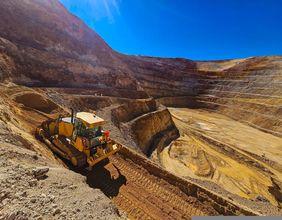
Ero Copper Corporation (TSX:ERO) is a company operating in the mining sector, specifically in copper production. As part of the broader materials industry, copper mining plays a significant role in global infrastructure, energy, and technology. The company focuses on the exploration, development, and extraction of copper and other minerals, primarily in Brazil. The mining sector, characterized by heavy capital requirements and operational challenges, often involves the use of debt to finance growth, acquisitions, and operational needs.
Given the capital-intensive nature of the mining industry, companies like Ero Copper must manage their debt levels carefully to maintain financial stability. In this context, understanding the balance between debt and equity, along with the company’s ability to service its debt, is essential for evaluating its overall financial health.
Debt Levels and Capital Structure of Ero Copper
Ero Copper’s approach to financing its operations involves leveraging both equity and debt. Debt financing in the mining industry can be used to support capital expenditures, such as infrastructure development and equipment purchases, or to fund expansion projects. However, as the company accumulates debt, the burden of servicing this debt becomes an important for its financial health.
The company's capital structure is weighted by a combination of debt and equity. A high level of debt in a company's capital structure can lead to greater financial leverage, which, in turn, can amplify both gains and losses. The challenge lies in ensuring that the company generates enough revenue from its operations to comfortably meet its debt obligations, without jeopardizing operational flexibility or future growth prospects.
Debt-to-Equity Ratio and Its Implications
In evaluating Ero Copper’s financial health, one key metric is its debt-to-equity ratio. This ratio reflects the proportion of debt the company uses relative to its equity. A higher ratio that the company is more reliant on borrowed funds to finance its operations, which could increase the financial strain during periods of low revenue or unfavorable market conditions.
However, it is important to note that the copper mining industry, like many natural resource sectors, often involves substantial upfront capital investment, which might necessitate the use of debt. Therefore, understanding how the company uses its debt to fund growth and whether it generates adequate returns on its investments is crucial in assessing the impact of its leverage.
Operational Challenges and Debt Management
The mining industry is subject to various operational challenges, including fluctuating commodity prices, environmental regulations, and logistical. For Ero Copper, these factors can influence both revenue and operational costs. High debt levels in such an environment can strain the company’s ability to adapt to changes in market conditions, especially when copper prices experience volatility.
Additionally, debt obligations must be met through cash flow generated from mining operations. If the company faces difficulties in production or encounters unexpected costs, this could affect its ability to generate sufficient cash flow to service its debt. Therefore, effective debt management becomes a critical factor in ensuring that the company can continue to operate smoothly and pursue growth initiatives without compromising financial stability.
Investor and Market Sentiment
For investors, the level of debt in Ero Copper’s capital structure is a key factor to monitor. While debt can be an efficient tool for financing growth, excessive reliance on it can introduce financial uncertainty. The company’s ability to manage its debt levels and generate consistent revenue from copper production will play a significant role in shaping investor sentiment.
Additionally, market sentiment towards copper prices can also impact the company's financial standing. If copper prices rise, the company may generate higher revenue, improving its ability to service debt. On the other hand, a decline in copper prices could lead to lower revenue and, in turn, complicate debt repayment. As a result, investors may closely track both Ero Copper’s debt management practices and the broader market conditions that influence copper prices.
Ero Copper, operating in the copper mining industry, faces a complex balance between leveraging debt for growth and ensuring financial stability. The company’s approach to debt financing is integral to its operations, but its ability to manage and service that debt in a fluctuating market environment is crucial for its long-term success. Monitoring key financial metrics, such as the debt-to-equity ratio, alongside market conditions and operational performance, will provide insights into the company's ability to navigate the challenges associated with high debt levels.
