
 AUS
AUS
 NZ
NZ
 UK
UK
 CA
CA
 USA
USA
 IND
IND




Highlights
• BHP Group remains a leading diversified miner within Australia’s benchmark indices.
• Commodity strength has reinforced focus on iron ore, copper and energy assets.
• Materials sector activity continues to influence broader index performance.
BHP Group remains a dominant mining heavyweight within the ASX 200 and All Ordinaries, reflecting ongoing commodity strength and materials sector influence.
The materials sector plays a defining role in Australia’s equity market, representing large-scale mining and resource companies that supply global demand for iron ore, copper, coal and energy products. BHP Group stands among the most prominent names in this segment, forming a core constituent of the ASX 200, and the All Ordinaries. As one of the largest diversified miners listed locally, its operational footprint extends across continents and multiple commodity classes.
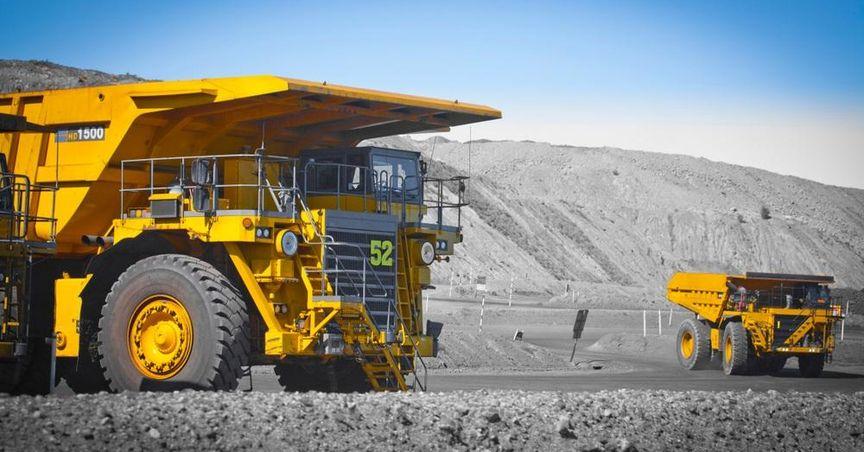
BHP Group (ASX:BHP) has drawn renewed market attention following a period of share momentum tied to firm commodity conditions and operational updates. Within the broader asx all ords environment, BHP’s scale and weighting mean its performance often influences index direction, particularly when iron ore and copper markets remain active. The company’s diversified portfolio spans iron ore operations in Western Australia, copper projects in South America and energy-related assets.
As a heavyweight in both domestic and global mining circles, BHP’s trajectory frequently mirrors broader themes in industrial demand and infrastructure development.
Commodity Portfolio and Global Operations
BHP’s asset base reflects a diversified mining model structured around bulk commodities and future-facing materials. Iron ore remains a cornerstone of operations, supplying steel production across Asia and other industrial centres. Copper exposure positions the company within electrification and renewable energy supply chains, while energy-related resources contribute additional diversification.
The materials sector within the asx all ords index is sensitive to global manufacturing cycles, construction trends and infrastructure investment. As one of the largest contributors to the benchmark, BHP’s operational updates can coincide with broader sector sentiment.
Global mining companies navigate logistical planning, environmental compliance and capital deployment across multi-year project horizons. BHP’s presence in established mining jurisdictions allows continued production from long-life assets.
Commodity pricing dynamics often influence financial performance across the materials segment. However, production efficiency and cost management remain critical components of operational stability.
Index Weighting and Market Influence
Within Australian equity benchmarks, BHP’s weighting carries notable influence. Movements in its shares can affect index-level performance, particularly across the ASX 200 and ASX 100 benchmarks. As part of diversified portfolios and index-tracking vehicles, exposure to BHP frequently forms a foundational allocation.
The asx all ords includes companies across sectors, yet materials maintain a significant presence. Large mining entities contribute to sector balance, alongside financial institutions and consumer businesses.
BHP’s global revenue streams connect Australian equities to international commodity markets. Shifts in iron ore shipments, copper production and export flows can shape broader trade metrics.
Institutional participation in major resource companies reflects the scale and liquidity associated with such listings. Mining majors often maintain visibility through operational updates and shareholder communications.
Dividend Profile and Capital Allocation
Mining companies commonly distribute capital through dividends when operational cash flow supports distributions. BHP has historically been associated with income-focused allocations, placing it within discussions surrounding ASX dividend stocks.
Dividend policies in the resources sector may fluctuate in line with commodity cycles, capital expenditure requirements and project development timelines. Balanced capital management frameworks typically account for operational investment, debt positioning and shareholder distributions.
As a mature mining operator, BHP allocates resources across sustaining capital, exploration and expansion initiatives. Large-scale projects require long lead times and significant regulatory approvals.
Dividend-paying resource companies form part of diversified portfolios tracking Australian indices. Exposure to commodity-linked distributions often complements holdings in financials and infrastructure assets.
Sector Themes and Strategic Direction
The global transition toward electrification and renewable energy infrastructure has elevated attention on copper and other industrial metals. BHP’s asset mix positions it within these evolving supply chains, particularly where metals support battery storage and grid expansion.
Iron ore continues to underpin steel production, supporting urbanisation and infrastructure activity worldwide. Export volumes from Western Australia remain central to Australia’s trade framework.
Mining operations increasingly incorporate sustainability reporting, environmental management and community engagement initiatives. Large-scale producers align operational standards with evolving regulatory expectations.
Within the asx all ords landscape, materials companies operate alongside healthcare, technology and consumer sectors, reflecting economic diversity.
Commodity-linked equities may experience cycles aligned with global industrial output. However, diversified mining portfolios provide exposure to multiple resource streams.
BHP’s presence in multiple indices reinforces its role as a barometer for the materials segment. Market discussions often reference its production volumes, capital expenditure plans and portfolio adjustments.
