
 AUS
AUS
 NZ
NZ
 UK
UK
 CA
CA
 USA
USA
 IND
IND






Highlights
- Titanium dioxide producer restructures operations with plant closure in China
- Sustainability targets exceeded across environmental and safety metrics
- Rare earths initiative expands beyond core mineral operations
Operating within the industrial minerals and chemicals sector, Tronox Holdings (NYSE:TROX) is a vertically integrated producer of titanium dioxide (TiO₂) pigment, zircon, and other mineral sands. The company’s activities align with the broader NYSE Composite Index , where diversified industrial and materials companies contribute to index performance. The sector is influenced by construction demand, manufacturing output, and global trade flows, all of which affect demand for pigments and mineral-based inputs.
Tronox is positioned within the Metal and Mining Stocks category due to its extraction and processing of mineral resources, combined with downstream chemical production.
Core Operations and Product Portfolio
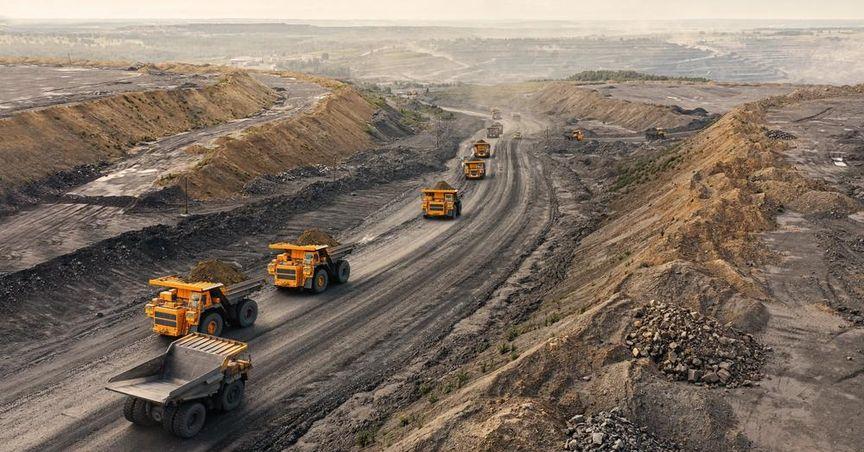
The company operates mining sites and processing facilities across several continents, extracting mineral sands such as ilmenite, rutile, and zircon. These materials serve as feedstock for titanium dioxide pigment production, which is widely used in paints, coatings, plastics, and paper due to its opacity and brightness properties.
Vertical integration allows Tronox to manage the supply chain from mining through pigment production, supporting operational efficiency and supply consistency. Zircon products are used in ceramics and refractory applications, while titanium dioxide remains the primary revenue contributor across global markets.
Sustainability Initiatives and Environmental Targets
Recent disclosures indicate that the company exceeded multiple environmental and safety benchmarks outlined in its sustainability framework. These achievements include reductions in emissions intensity, improvements in workplace safety metrics, and enhanced resource management practices.
Sustainability initiatives have become increasingly integrated into operational planning across the NYSE Composite Index , particularly within resource-intensive industries. For Tronox, environmental performance is directly linked to operational efficiency, regulatory compliance, and long-term asset management.
Fuzhou Plant Closure and Operational Realignment
A key operational development involves the permanent closure of the Fuzhou titanium dioxide plant in China. This decision reflects efforts to align production capacity with prevailing market conditions while optimizing the company’s global manufacturing footprint.
The closure follows a series of adjustments aimed at reducing excess capacity and improving cost structures. Such measures are common within the Metal and Mining Stocks segment, where cyclical demand patterns often require production recalibration.
By consolidating operations, the company seeks to enhance efficiency across remaining facilities while focusing on higher-performing assets within its portfolio.
Rare Earths Program Expansion
Beyond its core pigment and mineral sands operations, Tronox has advanced a rare earths initiative designed to extract additional value from existing mineral deposits. Rare earth elements are essential components in advanced technologies, including electronics, renewable energy systems, and specialized manufacturing processes.
The integration of rare earth extraction into existing operations reflects broader industry trends, where companies explore adjacent product lines to diversify revenue sources. This development positions Tronox within emerging segments linked to advanced materials and clean technology supply chains.
Financial Structure and Industry Context
The company operates within a capital-intensive framework typical of large-scale mining and chemical production entities. Significant investment is required for exploration, extraction, processing, and environmental management. These characteristics are consistent across firms included in the NYSE Composite Index , particularly within materials and industrial segments.
Industry conditions remain influenced by global supply-demand balances for titanium dioxide, which can fluctuate based on construction activity, automotive production, and industrial output. Pricing dynamics for mineral sands and pigments also play a role in shaping overall performance.
Market Dynamics and Demand Drivers
Titanium dioxide demand is closely tied to end markets such as architectural coatings, packaging materials, and consumer goods. Economic activity in construction and manufacturing sectors directly impacts consumption levels. Similarly, zircon demand is linked to ceramics production, including tiles and sanitaryware.
Within the Metal and Mining Stocks category, companies often experience variability in demand based on regional economic conditions and industrial cycles. Tronox’s geographic diversification across mining and production sites provides exposure to multiple markets, helping balance regional fluctuations.
Operational Efficiency and Cost Management
Efficiency initiatives remain a central component of the company’s operational framework. These include optimizing production processes, managing input costs, and aligning capacity with demand trends. The closure of underperforming assets, such as the Fuzhou plant, reflects a broader effort to streamline operations.
Environmental improvements also contribute to efficiency gains by reducing resource consumption and enhancing process reliability. These measures support long-term operational stability within a competitive global market.
Role Within Broader Market Index
As part of the NYSE Composite Index , Tronox Holdings (NYSE:TROX) represents the materials segment, contributing to index performance through its exposure to industrial production and commodity markets. The company’s activities highlight the connection between raw material supply and downstream manufacturing industries.
Movements within the materials segment often correlate with global economic indicators, including industrial output and infrastructure development. Companies engaged in mineral extraction and processing provide essential inputs that support a wide range of industries, reinforcing their significance within the broader index.
