
 AUS
AUS
 NZ
NZ
 UK
UK
 CA
CA
 USA
USA
 IND
IND

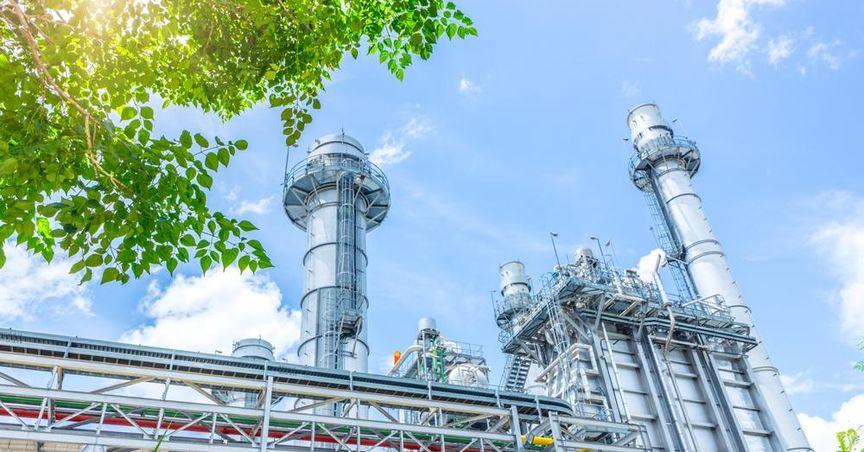



According to the International Energy Agency's Q3 2024 gas report, the Asian region accounted for 60% of the 3% year-on-year increase in global gas demand during the first half of 2024. This surge is primarily driven by growing demand in China and India, two of the world's most populous countries, bolstered by robust economic expansion. ASX energy stocks are poised to benefit from this increasing demand as the region continues to fuel its growth with natural gas.
Beyond these major players, Southeast Asia is projected to experience remarkable growth in gas consumption, with expectations that demand in the region will double between 2020 and 2050. This trend is not surprising given the increasing population and rapid industrial development in the area.
Mario Traviati, a veteran oil and gas executive and non-executive director at Conrad Asia Energy (ASX:CRD), highlighted the significance of these findings. He noted that Asia is currently the epicenter of global economic growth and energy consumption, consuming nearly 50% of the world's energy, which impacts global energy security, supply, and pricing.
The Role of Natural Gas
A substantial portion of this energy consumption comes from natural gas. Traviati pointed to Singapore, where 95% of its energy is derived from natural gas, which is sourced from the Natuna Sea and Sumatra via pipelines. However, with these resources depleting, Singapore has been increasingly reliant on liquefied natural gas (LNG) imports, potentially reaching almost 100% dependency without ongoing projects like those from CRD. This shift raises concerns about energy diversification, supply security, and carbon emissions—issues that will remain in focus for the foreseeable future.
Studies indicate that the carbon intensity of domestically produced gas, transported via pipeline, is nearly four times lower than that of imported LNG.
Why the Demand for Gas?
The demand for gas in Asia is driven by several factors, including rising energy needs, a transition from coal to natural gas as part of an overall energy shift, and declining production from existing mature fields. Countries such as Vietnam, the Philippines, and India are increasingly turning to LNG imports to meet their energy needs.
Traviati emphasized the case of Indonesia, the fourth most populous country globally, with vast commodity resources and significant nickel reserves. The country is implementing policies that require companies to conduct smelting and refining domestically, further amplifying energy demand. Indonesia's ambition to double its gas production is challenged by its rapid economic growth and coal transition.
Stimulating Gas Exploration
Given the high demand for gas, Asian countries are actively stimulating exploration and development. Indonesia has been particularly effective in this regard, with attractive fiscal terms for what are known as Frontier Basins.
The country's success is evident, as companies like Mubadala Energy and Harbour Energy have made substantial gas discoveries offshore Aceh, estimated at 5-10 trillion cubic feet (Tcf).
CRD's Prospects
Conrad Asia Energy is nearing a final investment decision for the Mako gas field within the Duyung production sharing contract (PSC) in the Natuna Sea. The company has secured export and domestic sales agreements that cover the entirety of its current 376 billion cubic feet of contingent gas resources at Mako
Traviati remarked that discoveries in the Natuna Sea could extend the operational life of the West Natuna Transportation System to approximately 2040. CRD also holds nearly 20,000 square kilometers of exploration acreage in Aceh, with a strong exploration success rate of around 70%.
The company is excited about its prospects in deeper waters, where major firms are looking for multi-Tcf fields. CRD has identified potential resources in these areas, estimated at about 15 Tcf, which could attract significant investment.
Export Opportunities and Future Developments
CRD's discoveries have positioned it well within the LNG market. Indonesia operates two pricing mechanisms for gas: a regulated domestic price ranging from US$5 to US$6 per thousand cubic feet and a significantly higher Brent-linked price for LNG
CRD is exploring mini-LNG concepts for several of its finds and is also working with PGN to facilitate gas sales in Aceh. The development of mini-LNG solutions, particularly for resources close to shore, is expected to gain traction due to their efficiency and ease of financing.
Looking ahead, CRD plans to reduce its 76.5% stake in the Mako project to below 50% to help finance its development. With cost pressures stabilizing and drilling rig rates declining, the company is optimistic about moving forward.
Traviati noted that discussions are underway for potential partnerships in the deeper water areas of Aceh, and exciting developments in both shallow and deep waters are on the horizon. The exploration of previously overlooked fore-arc basins, particularly in light of recent discoveries in similar regions, positions CRD as a frontrunner in the ongoing energy transition in Asia
The increasing demand for gas in Asia presents significant opportunities for companies like Conrad Asia Energy, with ongoing projects and explorations set to play a crucial role in meeting the region's energy needs.
