
 AUS
AUS
 NZ
NZ
 UK
UK
 CA
CA
 USA
USA
 IND
IND






Highlights
Reporting season reshapes market confidence
Sector leadership rotates across the market
Corporate updates redefine near-term outlooks
Reporting season is redefining momentum across Australian equities, with sector rotation, corporate clarity, and global influences shaping how the market interprets opportunity and resilience.
Australia’s equity landscape entered a decisive phase as reporting season injected renewed energy into the ASX 200, with earnings updates and operational commentary reshaping sentiment across the market. Against a backdrop of global uncertainty and local sector rotation, established index constituents such as A2 Milk Company (ASX:A2M) emerged as focal points, highlighting how operational execution and strategic clarity can influence broader market direction within the Australian share market.
What is driving the current market tone?
The ASX stock market has been navigating a complex mix of global economic signals, shifting consumer trends, and evolving capital allocation priorities. Reporting season acts as a pressure test for corporate strategies, offering clarity on how businesses are responding to changing demand patterns, cost environments, and regulatory settings.
Across the board, investors are paying close attention to balance sheet discipline, operational resilience, and the sustainability of earnings profiles. This environment has encouraged closer scrutiny of companies with diversified revenue streams and strong brand positioning.
Which sectors are shaping the narrative?
Sector leadership has been fluid, reflecting changing expectations rather than uniform optimism or caution.
Consumer and staples in focus
Consumer-oriented businesses have drawn attention as households recalibrate spending priorities. Companies with strong brand equity and exposure to essential products have been better positioned to maintain momentum.
A2 Milk Company (ASX:A2M) is a dairy nutrition specialist with a strong presence across Australia, New Zealand, Asia, and North America. Its focus on differentiated milk and nutritional products has helped it navigate shifting consumer preferences while maintaining relevance in key international markets.
Infrastructure and logistics stability
Transport and logistics operators have also featured prominently, supported by ongoing demand for freight and network services. These businesses often provide visibility through long-term contracts and regulated revenue frameworks.
Aurizon Holdings (ASX:AZJ) operates one of Australia’s largest rail freight networks, connecting resource regions with export terminals and domestic markets. Its diversified exposure across bulk commodities and network services underpins its role within the national supply chain.
How are technology and software companies responding?
Technology-focused names have experienced heightened attention as markets reassess growth narratives and margin sustainability.
Xero (ASX:XRO), a cloud-based accounting software provider, continues to be recognised for its subscription-led model and global small business footprint. Its scalable platform positions it within the evolving digital services landscape, where recurring revenue and customer retention remain central themes.
Similarly, WiseTech Global (ASX:WTC) operates logistics software platforms used by freight forwarders worldwide. Its solutions aim to streamline complex supply chains, reflecting the growing importance of digital infrastructure in global trade.
What is happening across resources and materials?
Resource-linked companies remain sensitive to global demand signals, particularly from Asia. While price volatility can influence short-term sentiment, long-term themes such as energy transition and infrastructure development continue to frame sector expectations.
Within the ASX mining stocks space, producers and developers alike are navigating cost pressures alongside project execution milestones. Market participants are increasingly focused on operational efficiency, capital discipline, and asset quality rather than pure production growth.
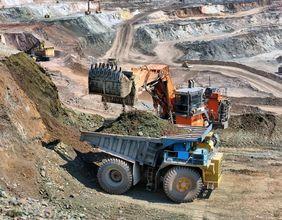
Rio Tinto (ASX:RIO) is a diversified global mining group with exposure to iron ore, copper, aluminium, and critical minerals. Its asset portfolio places it at the intersection of traditional bulk commodities and future-facing materials.
Which companies saw renewed attention during reporting updates?
Reporting season naturally elevates companies delivering clarity around strategy and execution.
Financial services resilience
Banks and financial institutions have highlighted balance sheet strength and customer stability amid changing interest rate dynamics.
ANZ Group Holdings (ASX:ANZ) is one of Australia’s major banking institutions, offering retail, commercial, and institutional banking services across multiple regions. Its diversified income streams contribute to its standing within the financial sector.
Healthcare and diagnostics
Healthcare operators have addressed operational challenges while emphasising long-term demand fundamentals.
Australian Clinical Labs (ASX:ACL) provides pathology services across Australia, supporting hospitals, clinics, and community healthcare providers. Its scale and network footprint underpin its role within the national healthcare ecosystem.
How does the broader market structure influence sentiment?
Beyond headline indices, investors often assess performance across multiple benchmarks to understand market breadth.
The ASX 100 captures many of the largest and most liquid companies, while the ASX ordinaries stocks index provides a wider snapshot of the Australian equity universe. Movements across these benchmarks can reveal whether momentum is concentrated or broadly distributed.
Dividend-focused strategies also remain relevant, particularly for income-oriented portfolios. The ASX dividend stocks segment continues to attract attention as companies balance capital returns with reinvestment needs.
What role does guidance and outlook play?
Forward-looking commentary has become as influential as historical performance. Markets are weighing how companies articulate risk management, capital allocation, and growth pathways without overextending balance sheets.
Clear guidance frameworks, even without numerical detail, help establish credibility and reduce uncertainty. Companies that communicate adaptability and strategic focus tend to command greater attention during volatile periods.
How are global cues feeding into local markets?
International developments, including shifts in global growth expectations and technology investment cycles, continue to influence Australian equities. Local companies with offshore exposure must navigate currency movements, regulatory differences, and regional demand trends.
This global linkage reinforces the importance of diversification and operational flexibility, particularly for businesses operating across multiple geographies.
Why reporting season matters beyond the headlines
Reporting season is not merely a snapshot of past performance. It offers insight into management priorities, sector health, and the evolving competitive landscape.
For the Australian market, this period helps recalibrate expectations and identify which business models are proving resilient amid structural change. It also highlights how different sectors respond to shared macroeconomic pressures in distinct ways.
What comes next for market participants?
As reporting season progresses, attention is likely to remain on companies that demonstrate consistency, strategic discipline, and alignment with long-term trends. Sector rotation may continue as new information reshapes relative appeal across industries.
For now, the market narrative is being written through corporate disclosures, operational updates, and shifting sentiment rather than broad-based optimism or pessimism.
