
 AUS
AUS
 NZ
NZ
 UK
UK
 CA
CA
 USA
USA
 IND
IND




Highlights
Materials sector reflects notable momentum across diverse commodities and mining operations
Iron ore, lithium, and gold producers display varied market performances within the same period
Operational scale, commodity cycles, and cost structures play a significant role in market positioning
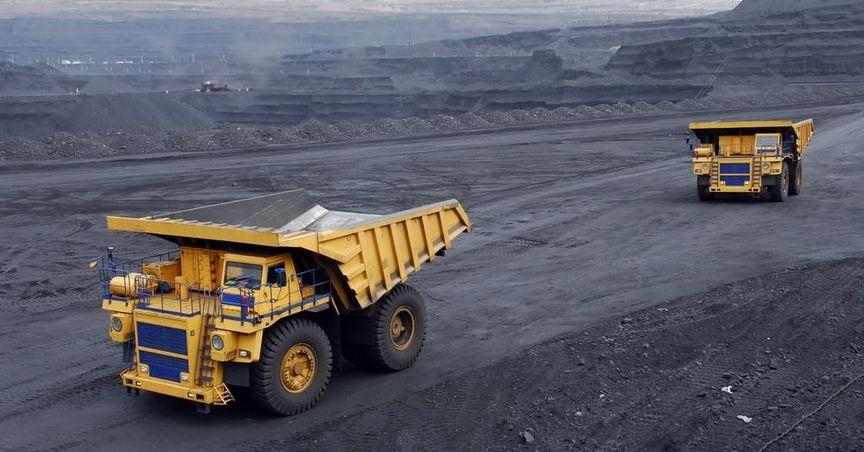
s&p asx 200 companies in the materials sector have shown renewed strength, supported by movements in global commodity markets. Businesses within this sector span multiple indices including asx 100, asx 50, all ordinaries, and asx 300. The latest movements reflect shifting sentiment across iron ore, lithium, and gold mining subsectors.
Iron Ore Sector Performance
Fortescue Ltd (ASX:FMG) continues to demonstrate strong operational performance with substantial shipment volumes achieved during the most recent reporting period. Its infrastructure scale and production consistency have reinforced its presence in global markets. However, broader market sentiment for iron ore remains influenced by factors such as changes in steel production patterns, environmental policy developments, and global trade adjustments.
Lithium Market Developments
Pilbara Minerals Ltd (ASX:PLS) operates one of the most prominent lithium projects in Western Australia, with production and sales levels strengthening over the recent period. A solid cash position provides flexibility to advance expansion initiatives and strategic partnerships. The sector has observed renewed interest due to electric vehicle manufacturing growth, battery technology advancements, and clean energy infrastructure commitments in multiple regions.
Gold Mining Activity
Regis Resources Ltd (ASX:RRL) remains active in the gold production space, with operations meeting prior output expectations. The business maintains exposure to gold price movements due to an unhedged production approach. Performance in this segment is influenced by global monetary policy adjustments, inflationary conditions, and currency exchange fluctuations, all of which impact the broader precious metals market.
Operational Factors Driving Sector Movements
Across mining subsectors, operational efficiency, cost control, and resource quality remain critical to market resilience. Energy and labour costs, transportation infrastructure, and production scalability significantly influence operational stability. Companies with lower cost bases and robust logistics capabilities are better positioned to manage periods of commodity price volatility.
Commodity Cycle Impact
Iron ore market sentiment is shaped by shifts in global construction demand, particularly from major steel-producing nations. Lithium demand aligns closely with renewable energy and electric mobility transitions, while gold maintains its role as a countercyclical asset in uncertain economic climates. Each commodity operates within a distinct cycle, and these cycles determine valuation movements and production strategies within the mining sector.
Influence of Monetary Policy Changes
Interest rate adjustments and currency fluctuations can significantly impact mining companies. A weaker local currency may benefit exporters, while lower borrowing costs can support capital-intensive project development. However, inflationary pressures and changes in trade policy also contribute to operational cost variability across the sector.
Frequently Asked Questions
- Which mining subsectors are currently showing strong activity?
Iron ore, lithium, and gold sectors have recorded notable operational output and market presence. - How do commodity prices affect mining companies?
Price changes influence revenue streams, operational decisions, and long-term strategic planning. - What operational factors influence mining share performance?
Production efficiency, cost control, and resource quality are key drivers across the sector.
