
 AUS
AUS
 NZ
NZ
 UK
UK
 CA
CA
 USA
USA
 IND
IND





Highlights
- Elders shares came under heavy pressure following weaker-than-expected half-year earnings.
- Cost pressures and integration expenses weighed on sentiment despite stronger revenue growth.
- Agricultural services and rural sector demand trends remain key themes for the company.
Elders remains under market focus after earnings pressure and rising costs impacted sentiment, while agricultural demand and rural-sector trends continue shaping the company’s outlook.
Australian shares continue navigating volatile trading conditions as inflation concerns, commodity market swings, and shifting economic expectations influence sentiment across sectors. Among the companies drawing renewed market attention is Elders Ltd (ASX:ELD), a major agricultural services and rural products business operating across livestock, crop protection, real estate, and farm supply markets. The company’s sharp share price decline following its latest earnings update has placed it firmly back in focus across the ASX 200, with market participants closely assessing whether operational pressures may prove temporary or signal broader challenges ahead.
Elders remains closely tied to Australia’s rural economy
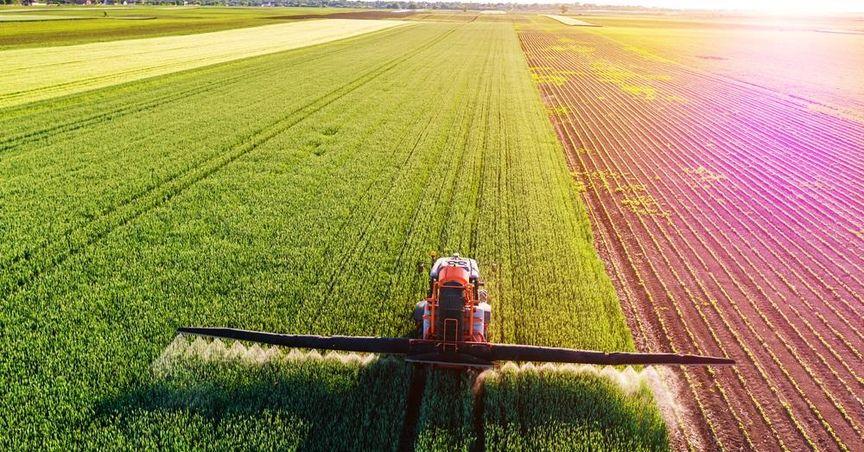
Elders operates across several important segments of Australia’s agricultural sector, including livestock agency services, wool, crop inputs, real estate, and rural merchandise.
The company’s business performance is closely linked to farming conditions, seasonal trends, commodity pricing, and agricultural production activity across regional Australia.
This exposure gives Elders a significant role within Australia’s rural economy and agricultural services landscape.
Within the broader ASX Consumer Stocks and industrial sectors, agricultural service providers remain highly sensitive to seasonal conditions and farm-sector profitability trends.
Earnings disappointment pressures sentiment
Elders recently faced stronger market pressure after reporting half-year earnings that fell below broader market expectations.
While revenue growth remained relatively solid, higher operating costs and integration-related expenses weighed on profitability.
Cost inflation, corporate expenses, and operational integration activity became major themes influencing sentiment surrounding the company’s latest result.
The sharp market reaction reflected broader investor concerns around operational execution and margin pressure within the current economic environment.
Cost management remains a major focus
Operational efficiency remains one of the most important themes influencing market sentiment toward industrial and agricultural businesses.
Rising labour costs, inflationary pressures, and integration expenses continue creating challenges across multiple sectors of the Australian economy.
For Elders, market attention remains focused on whether operational synergies and cost optimisation initiatives may improve profitability over time.
Businesses capable of balancing revenue growth with disciplined cost management continue attracting stronger attention during uncertain market conditions.
Agricultural conditions remain supportive
Despite recent earnings pressure, broader agricultural sector conditions remain relatively supportive across several commodity categories.
Livestock and wool pricing trends have remained important drivers for rural service providers, while farm activity levels continue supporting demand for agricultural inputs and services.
Agricultural production remains closely tied to seasonal conditions, weather patterns, and commodity market pricing, all of which can influence operational performance across rural-sector businesses.
Within the broader ASX Industrial Stocks category, companies linked to agriculture and resource supply chains often experience cyclical earnings patterns tied to broader commodity conditions.
Integration strategies remain closely watched
Elders’ ongoing integration activity and operational restructuring efforts continue representing a key market focus.
Synergies tied to acquisitions, procurement efficiencies, and operational simplification initiatives remain important themes influencing future profitability discussions.
At the same time, integration activity often creates short-term cost pressure before operational benefits begin flowing through to earnings performance.
This means execution risk remains an important consideration for market participants monitoring operational restructuring programs.
Rural services remain essential to the sector
Agricultural service providers continue playing a critical role across Australia’s farming and rural economy.
Livestock trading, crop protection, rural supplies, real estate services, and financing support remain essential operational areas for farming businesses nationwide.
This ongoing demand for rural services helps support long-term relevance for agricultural companies even during periods of sector volatility.
The broader All Ordinaries market has increasingly reflected stronger attention toward companies linked to food production, rural supply chains, and agricultural infrastructure.
Seasonal conditions continue influencing outlook
Seasonal conditions remain one of the largest external variables influencing agricultural-sector businesses.
Rainfall patterns, drought conditions, commodity demand, and export market activity can all significantly impact farm profitability and operational demand.
As a result, agricultural companies often experience varying performance trends depending on broader climatic and commodity conditions across different regions.
This cyclical exposure continues shaping market sentiment toward rural-sector businesses such as Elders.
Dividend outlook remains important
Income-focused market discussions have also remained relevant for Elders due to its dividend profile.
Agricultural businesses capable of maintaining stable cash generation and shareholder distributions often attract attention during uncertain market periods.
At the same time, dividend sustainability remains closely linked to seasonal conditions, operational margins, and broader commodity market performance.
Within the broader ASX Dividend Stocks sector, companies linked to essential industries and recurring service demand continue attracting defensive interest.
Agriculture sector remains strategically important
Australia’s agricultural industry remains one of the country’s most strategically important economic sectors.
Global food demand growth, export market activity, and supply-chain resilience continue supporting long-term interest in agricultural businesses and rural infrastructure providers.
Companies servicing the agricultural economy therefore remain closely watched as commodity markets and seasonal conditions evolve.
At the same time, rising operational costs and changing market dynamics continue creating challenges for businesses operating across the sector.
Market focus remains on operational execution
As Elders continues progressing through operational integration and cost management initiatives, market attention is likely to remain firmly focused on execution and profitability trends.
Agricultural conditions, commodity pricing, and seasonal factors will continue influencing sentiment surrounding the company’s outlook.
While recent weakness has intensified market scrutiny, Elders remains one of Australia’s most established rural services businesses with broad exposure across the agricultural economy.
