
 AUS
AUS
 NZ
NZ
 UK
UK
 CA
CA
 USA
USA
 IND
IND






Highlights
- Copper stayed near record highs.
- Supply disruptions tightened market conditions.
- Mining names gained wider attention.
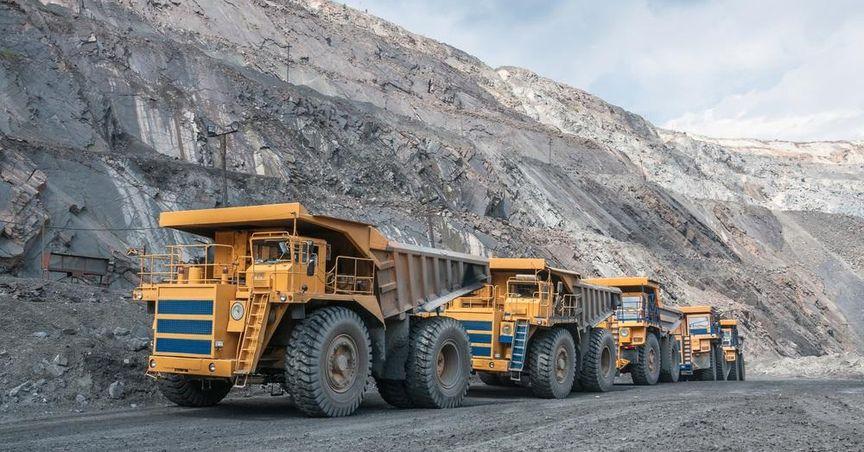
Copper near record highs has placed major mining names in focus as supply disruptions, electrification demand, and computing infrastructure needs keep the red metal central to market discussion.
Copper’s move near record highs has placed Freeport-McMoRan (NYSE:FCX), a major copper, gold, and molybdenum producer, at the center of a fast-moving metals story tied to supply pressure and resilient industrial demand. The company’s role across major mining regions has made it a key name as copper strength feeds into the broader S&P 500 market conversation.
Copper Strength Lifts Mining Names
Copper has long been viewed as a signal of industrial activity because it is used across wiring, electronics, construction, power systems, transport, and modern infrastructure. When the red metal moves sharply, attention often shifts toward companies that mine, process, and supply it across global markets.
This time, the move has been shaped by a tight mix of supply disruptions and firm demand. Production challenges at major operations have limited copper availability, while demand tied to electrification, grid expansion, and computing infrastructure has continued to support the metal.
That combination has brought mining companies back into focus, particularly those with large copper portfolios and integrated operations.
Freeport Leads Copper Discussion
Freeport-McMoRan is one of the world’s most recognized copper producers, with mining operations across major copper regions. The company also produces gold and molybdenum, giving it exposure to multiple metals while remaining closely linked to copper market conditions.
Its scale makes it a reference point whenever copper prices move sharply. When copper trades near record levels, attention naturally turns to Freeport because its operations are directly tied to the red metal’s supply and demand balance.
The company’s production base, global footprint, and large resource portfolio make it a central name in the copper chain. Its business activity reflects broader conditions across mining, processing, logistics, and industrial materials demand.
Southern Copper Draws Attention
Southern Copper (NYSE:SCCO) is a major copper mining and processing company with integrated operations across resource-rich regions. The company is known for its copper production base and its exposure to mining, smelting, and refining activities.
Its integrated structure gives it a direct connection to copper market movements. As copper remains near record highs, Southern Copper has drawn attention because of its role across the full copper value chain.
The company’s operations highlight how large producers can benefit from strong pricing environments while also facing the challenges that come with mining complexity, resource management, and production reliability.
Supply Shocks Tighten Market
The most important driver behind copper’s recent strength has been supply pressure. Copper supply is often concentrated among large mining operations, meaning disruptions at key sites can quickly tighten the market.
Operational challenges, weather issues, labor disruptions, regulatory delays, and mine-level constraints can all affect output. When supply growth slows while demand remains firm, copper prices often respond sharply.
This sensitivity has made supply reliability a major theme across the copper market. Large producers must maintain output while managing technical, environmental, and logistical hurdles that can affect production.
Electrification Supports Copper Demand
Copper plays a central role in electrification. It is used in power grids, renewable energy systems, electric transport, industrial equipment, data centers, and digital infrastructure.
The growth of computing infrastructure has also added to copper demand. Data centers, power systems, cooling equipment, and transmission networks rely heavily on copper-based components.
This demand base has helped support the red metal even when broader economic conditions remain mixed. Copper’s relevance across traditional industry and modern infrastructure keeps it central to the materials conversation.
Mining Operations Face Pressure
Metal & Mining Stock remains a capital-intensive and complex business. Copper producers must manage exploration, permitting, extraction, processing, transportation, environmental standards, and resource planning.
These activities require long timelines and careful execution. A copper mine cannot quickly increase production in response to stronger prices, which is why supply disruptions can have a meaningful effect on market balance.
For major producers, operational consistency is critical. Maintaining output across large assets can help reduce the effect of supply shocks and support stable participation in the copper market.
Basic Materials Gain Attention
The broader basic materials space has gained attention as copper strength highlights demand for industrial inputs. Metals producers, mining companies, and resource-linked businesses often move into focus when commodity prices rise.
Copper’s role is especially important because it connects old and new economic themes. It supports construction and manufacturing while also powering electrification, digital systems, and energy transition infrastructure.
Among relevant sector categories, metal and mining remains the closest fit for this story because copper producers sit directly within the raw materials supply chain.
Competitive Landscape Stays Active
The copper industry includes large standalone producers and diversified mining companies. BHP (NYSE:BHP), a global diversified mining group with exposure to copper, iron ore, coal, and other resources, also forms part of the broader competitive field.
Diversified miners can balance copper exposure with other commodities, while more copper-focused producers are more directly tied to red metal pricing. This creates different business profiles across the sector.
Freeport, Southern Copper, and BHP each represent different types of mining exposure. Their scale, asset base, and operating regions shape how they respond to copper market conditions.
Market Tone Remains Supportive
The current copper story reflects more than one short-term price move. It shows how supply constraints and industrial demand can combine to reshape attention across mining names.
When copper stays elevated, companies with meaningful production bases often become closely tracked. Their ability to maintain operations, manage costs, and move material efficiently becomes central to the market narrative.
This environment keeps attention on large producers with established resource portfolios and integrated operations.
Copper Story Remains Central
Copper’s strength has placed mining companies back in the spotlight as supply pressure and industrial demand continue to shape the market.
Freeport-McMoRan and Southern Copper remain central to the discussion because both are deeply tied to copper production and processing. BHP adds a diversified mining angle, showing how copper strength can influence the wider resources landscape.
With copper near record highs, the red metal continues to act as a signal for industrial demand, supply discipline, and the evolving needs of electrification and computing infrastructure.
