
 AUS
AUS
 NZ
NZ
 UK
UK
 CA
CA
 USA
USA
 IND
IND




Highlights
- Schneider National receives a higher valuation outlook.
- Freight conditions show early signs of stabilization.
- Revenue execution remains an important focus.
Schneider National is drawing renewed attention as improving freight expectations meet disciplined operations, diversified logistics services, and the need for stronger revenue execution across a changing transportation cycle.
Schneider National (NYSE:SNDR), a major North American transportation and logistics provider, has returned to market focus after receiving a higher price outlook following a period of improved share performance. The update arrives as freight operators navigate changing shipment volumes, pricing conditions, operating costs, and customer demand. Schneiders position within the NYSE Composite gives the development broader relevance as transportation companies attempt to emerge from a difficult freight environment.
Fresh Attention Surrounds Schneider National
The latest valuation revision reflects growing recognition that conditions across the trucking and logistics industry may be moving toward greater stability. Schneider National has spent the recent freight downturn balancing softer demand with cost controls, network adjustments, and efforts to improve equipment utilization.
A higher valuation outlook does not remove the operational challenges facing the company. Instead, it suggests that expectations surrounding the freight cycle have become less cautious. Transportation companies often experience meaningful earnings changes when shipment demand, contract pricing, and equipment availability begin moving in a more favorable direction.
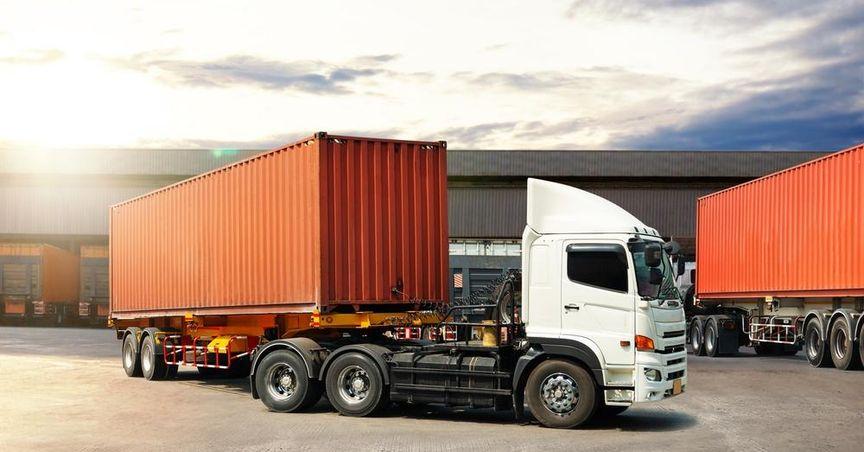
Schneider operates across truckload transportation, dedicated services, intermodal shipping, and logistics management. This diversified structure gives the company access to several parts of the freight market rather than relying on one service alone.
Freight Conditions Begin Finding Balance
The trucking industry has worked through an extended period of excess capacity and uneven demand. During stronger freight cycles, limited truck availability can support firm pricing. During weaker periods, too many available trucks compete for fewer shipments, creating pressure across the industry.
Recent conditions have encouraged closer attention to whether supply and demand are gradually returning to balance. Smaller carriers leaving the market, disciplined fleet expansion, and improving shipment activity can reduce excess capacity over time.
Schneiders scale provides advantages in such an environment. The company can adjust equipment across routes, coordinate with large customers, and use its transportation network to improve efficiency. However, scale alone does not guarantee stronger results. Management must still control operating expenses, maintain service quality, and secure attractive freight opportunities.
The developing freight cycle remains central to the Schneider story because even modest improvements in industry pricing can meaningfully affect earnings across large transportation networks.
Earnings Results Send Mixed Signals
Schneiders latest quarterly update presented a mixed operational picture. Profit per share came in slightly ahead of expectations, showing that cost control and operating discipline helped support the bottom line.
Revenue, however, fell below market expectations. That gap highlighted the continued difficulty of generating strong top-line growth during an uneven freight environment. A transportation company can improve expenses temporarily, but lasting earnings expansion usually requires healthier shipment volumes and better pricing.
The difference between earnings performance and revenue performance is therefore important. It suggests that Schneider has found ways to defend profitability, while the broader demand environment remains a work in progress.
The companys full-year earnings outlook also leaves room for a range of outcomes. Freight markets can shift quickly based on consumer activity, industrial production, inventory levels, fuel expenses, and seasonal shipping patterns.
Transportation Network Supports Flexibility
Schneider National is not limited to traditional long-haul trucking. Its business includes dedicated transportation, intermodal services, brokerage operations, warehousing support, and customized supply-chain solutions.
Dedicated transportation involves assigning equipment and drivers to specific customers under longer-term arrangements. These contracts can provide steadier revenue visibility than the spot freight market, where pricing changes more frequently.
Intermodal transportation combines truck and rail services. Freight typically travels long distances by rail before trucks complete the shorter portions of the journey. This model can offer cost and efficiency advantages for suitable shipping lanes.
Schneiders logistics operations also connect customers with transportation capacity that may be provided by outside carriers. This asset-light activity can expand service coverage without requiring the company to own every truck handling the freight.
Together, these operations provide a more balanced business mix. When one part of the freight market faces pressure, another may provide greater stability.
Industrial Demand Shapes Freight Volumes
Schneider National fits most closely within the industrial and transportation sector because its operations support the movement of goods throughout North American supply chains.
Manufacturers, retailers, food producers, and other commercial customers depend on transportation companies to move raw materials and finished products. Schneiders performance is therefore closely tied to broader economic activity, inventory management, and shipping demand.
The Industrial Stocks category remains the only clearly relevant sector classification for Schneider because the companys core business centers on freight transportation and logistics services. Unrelated categories such as technology, healthcare, communication, or financial services do not accurately represent its operating profile.
Industrial activity matters because changes in factory output, construction demand, and business inventories can influence freight volumes. Stronger production often creates more shipments, while slower activity can reduce transportation demand.
Contract Pricing Remains Crucial
Freight pricing is one of the most important variables shaping Schneiders outlook. The company operates within both contract and market-based shipping arrangements.
Contract freight typically involves negotiated agreements with major customers. These relationships can provide more predictable volumes and pricing. Market-based freight is more sensitive to short-term changes in available capacity and shipment demand.
During weak freight periods, market pricing can fall quickly. Contract rates may adjust more gradually because negotiations occur over longer periods. When conditions improve, transportation companies often seek stronger contract pricing as agreements renew.
Schneiders ability to secure fair pricing without weakening customer relationships will remain important. Large customers value reliable service, equipment availability, route coverage, and supply-chain visibility. These strengths can support negotiations when freight demand becomes more balanced.
Cost Discipline Supports the Outlook
Transportation companies face a wide range of operating expenses. Driver compensation, equipment maintenance, insurance, fuel, technology, and terminal costs all influence profitability.
Fuel costs can be partly addressed through surcharge arrangements, but timing differences may still affect results. Equipment expenses also remain important because tractors and trailers require regular maintenance and eventual replacement.
Schneider has focused on network efficiency and disciplined spending as it navigates the current environment. Better route planning can reduce empty miles, while improved equipment utilization can generate more revenue from the same asset base.
Technology also plays a supporting role within the operation. Digital freight matching, shipment tracking, route planning, and customer communication can improve network performance. These tools support the transportation business but do not change Schneiders primary industrial classification.
Balance Sheet Offers Stability
Schneiders financial position is another important part of the current market discussion. The company maintains relatively modest debt compared with its overall capital structure, giving it greater flexibility than highly leveraged transportation operators.
A sound balance sheet can help a freight company continue replacing equipment, investing in technology, and maintaining operations during a difficult cycle. It can also reduce pressure when earnings temporarily weaken.
Liquidity remains important because transportation is capital intensive. Trucks, trailers, terminals, and maintenance operations require ongoing spending. Companies with greater financial flexibility can make necessary investments without depending heavily on external financing.
Schneiders balance-sheet discipline therefore strengthens its ability to navigate uncertainty while remaining prepared for an eventual freight recovery.
Valuation Requires Operating Progress
The companys recent share performance and higher valuation outlook have increased expectations for future execution. As market sentiment improves, Schneider must demonstrate that operational progress can support the stronger view.
Revenue growth will remain a central measure. Cost controls can help defend earnings, but a durable recovery generally requires better freight demand and more constructive pricing.
Operating margins will also be closely watched. Transportation margins can expand when equipment is used efficiently and pricing improves faster than costs. They can weaken when freight volumes fall or expenses rise unexpectedly.
The companys guidance indicates that management continues to recognize uncertainty across the market. A wide earnings range reflects the difficulty of forecasting the timing and strength of a transportation recovery.
Competitive Pressures Remain Important
The North American freight market includes large public carriers, regional operators, private fleets, railroads, and freight brokers. This competitive structure creates continuous pressure around pricing and service.
Schneider must maintain delivery reliability while managing costs. Customers often evaluate carriers based on service quality, network capacity, communication, and pricing.
The companys recognizable brand and extensive network provide credibility with major shippers. Its diversified service offering can also deepen customer relationships by allowing one provider to manage several transportation needs.
Still, competition remains intense. A freight recovery could attract additional capacity if operators expand fleets too quickly. Such expansion could limit pricing improvement and extend pressure across the industry.
Economic Signals Guide Expectations
The freight industry is often viewed as an indicator of broader economic activity because trucks move goods between manufacturers, warehouses, distribution centers, and retailers.
Inventory levels are particularly important. When businesses carry too much inventory, they may reduce new orders and shipping activity. As inventories normalize, freight demand can improve.
Consumer spending also affects shipment patterns, especially for retail and household goods. Industrial production influences the movement of machinery, building materials, chemicals, and other commercial products.
Schneiders outlook will therefore depend partly on economic conditions outside its direct control. The company can improve internal efficiency, but it cannot independently create broader freight demand.
What Comes Next For Schneider?
The next stage of the Schneider National (NYSE:SNDR), story will depend on whether the freight market continues moving toward balance. Improving shipment demand, disciplined industry capacity, and firmer contract pricing could support stronger operational results.
At the same time, weak revenue trends, persistent pricing pressure, or rising costs could delay progress. The companys recent earnings performance showed resilience, but the revenue shortfall confirmed that the recovery remains incomplete.
Schneiders diversified operations, established customer relationships, and financial flexibility provide a solid foundation. The higher valuation outlook reflects greater confidence in that foundation, though future performance will still depend on execution across truckload, dedicated, intermodal, and logistics services.
The company now faces the challenge of converting improved market expectations into stronger revenue growth and steadier profitability. That transition will determine whether the latest attention marks the beginning of a lasting operational recovery or simply reflects optimism ahead of clearer freight improvement.
