
 AUS
AUS
 NZ
NZ
 UK
UK
 CA
CA
 USA
USA
 IND
IND




Highlights
- Caterpillar remains an industrial leader.
- Power demand supports equipment markets.
- Infrastructure activity stays in focus.
Infrastructure spending, mining activity, power generation demand, and industrial modernization continue supporting the machinery sector, keeping heavy equipment manufacturers central to the broader industrial landscape.
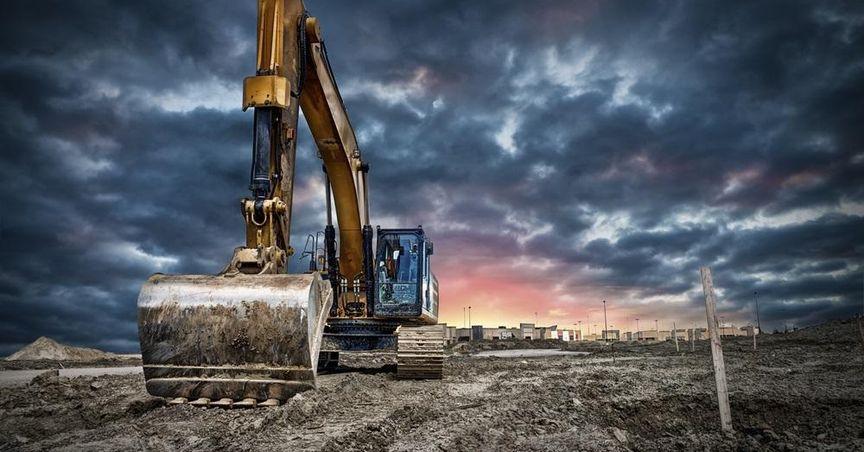
Heavy equipment manufacturers have once again become an important part of the broader market conversation as economic activity, infrastructure development, and energy demand continue evolving. Caterpillar (NYSE:CAT), one of the world's largest manufacturers of construction and mining equipment, has attracted renewed attention as industrial activity intersects with changing energy markets, expanding data-center development, and ongoing infrastructure investment across the NYSE Composite. The company remains widely viewed as a barometer for industrial activity because its equipment supports construction sites, mining operations, transportation projects, and power generation facilities around the world.
Industrial Demand Holds
Caterpillar operates across several major industrial markets, making the company closely connected to global economic activity. Its equipment is used in residential construction, commercial development, mining, quarrying, energy production, transportation infrastructure, and large engineering projects.
Unlike businesses focused on a single industry, Caterpillar benefits from exposure to multiple end markets. Activity may slow in one segment while remaining resilient in another, helping create a more balanced operating profile throughout changing economic conditions.
Large infrastructure projects continue supporting demand for heavy machinery as governments and private organizations expand transportation networks, utility systems, manufacturing facilities, and public infrastructure.
Construction Drives Growth
Construction equipment remains one of Caterpillar's largest businesses.
Excavators, bulldozers, loaders, motor graders, compactors, and other heavy machines continue supporting projects ranging from highways and bridges to manufacturing plants and commercial developments.
Infrastructure modernization remains an important long-term theme. Investments in roads, ports, airports, utilities, and industrial facilities require substantial amounts of heavy equipment throughout every stage of construction.
Although borrowing costs and economic uncertainty can influence construction activity, long-term infrastructure programs often extend across multiple years, providing continued demand for equipment manufacturers.
Mining Supports Activity
Mining remains another important pillar of Caterpillar's business.
The company supplies large haul trucks, hydraulic shovels, underground mining equipment, autonomous hauling systems, and aftermarket services to mining companies operating across the globe.
Growing demand for metals supporting electrification has strengthened interest in mining equipment. Copper, gold, lithium, and other critical minerals continue playing increasingly important roles in manufacturing, renewable energy, and advanced technologies.
Mining companies also continue focusing on improving operational efficiency through automation and digital technologies, creating opportunities for advanced equipment solutions.
Energy Markets Expand
Energy and transportation represent another significant part of Caterpillar's business portfolio.
The company manufactures industrial engines, gas turbines, power generation systems, and locomotives serving customers across oil and gas, marine transportation, utilities, and industrial operations.
Power generation has become an increasingly important growth area as electricity demand expands alongside digital infrastructure.
Large computing facilities require dependable backup and primary power systems capable of supporting uninterrupted operations. This trend has increased attention on industrial power equipment supplied by companies serving global infrastructure markets.
Data Centers Evolve
Artificial intelligence infrastructure has introduced another important demand driver for industrial stock equipment manufacturers.
Every modern data center requires significant site preparation before construction begins. Heavy earthmoving equipment clears land, prepares foundations, and supports utility installation throughout the development process.
Beyond construction, reliable power generation equipment remains essential for maintaining continuous operations within large computing facilities.
These developments continue creating opportunities for companies supplying machinery, engines, turbines, and industrial power systems supporting long-term infrastructure expansion.
Services Add Stability
One of Caterpillar's strongest competitive advantages extends beyond equipment manufacturing.
Its global dealer network provides maintenance, replacement parts, equipment servicing, and technical support throughout the operating life of each machine.
This aftermarket business helps create recurring revenue while strengthening long-term customer relationships. Machines often remain in operation for many years, generating ongoing demand for maintenance and replacement components.
The company's investment in connected equipment and digital monitoring technologies has also improved maintenance planning, helping operators enhance efficiency while reducing unexpected downtime.
Long-Term Outlook
Caterpillar (NYSE:CAT), position within the global industrial landscape continues to be shaped by infrastructure development, mining activity, energy investment, and the growing need for dependable power solutions. While short-term market sentiment may shift with changes in commodity prices, interest rates, or geopolitical developments, the company's business remains tied to industries that support long-term economic expansion.
Infrastructure projects continue requiring heavy earthmoving equipment from the earliest stages of development through project completion. Mining companies remain focused on maintaining production while modernizing operations with advanced equipment and automation. Energy producers continue investing in reliable power systems, while industrial facilities increasingly seek efficient engines and generation equipment to support expanding operations.
