
 AUS
AUS
 NZ
NZ
 UK
UK
 CA
CA
 USA
USA
 IND
IND

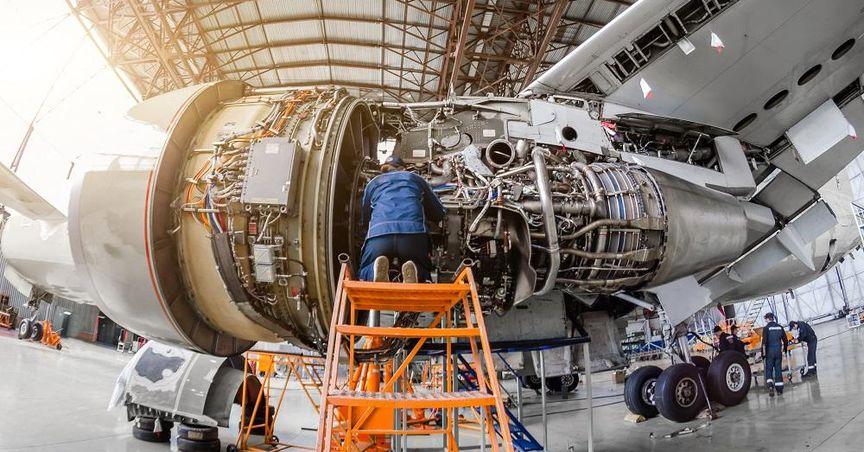





Highlights
- Honeywell Aerospace is preparing for a separate listing.
- The spinoff may create a focused aerospace name.
- Aviation systems remain central to its business identity.
Honeywell Aerospace is preparing to operate as a standalone aviation systems company, sharpening its focus on aircraft technologies, aerospace innovation, operational execution, and long-term growth opportunities across global aviation markets.
Honeywell Aerospace (NASDAQ:HONA), a major aerospace systems and components business, is preparing for a spinoff and separate listing that could reshape how the storied name is viewed within the industrial landscape. The planned move would place the business on its own path, giving it a sharper identity tied directly to aviation technology, aircraft systems, and the demanding world of flight. As a future Nasdaq-listed aerospace name connected with the Nasdaq Composite, the business is drawing attention for what independence could mean for its operations, market identity, and long-term positioning.
Spinoff Plans Take Shape
The preparation for a spinoff is a major step in the evolution of Honeywell Aerospace. Separating a business from a larger industrial group requires careful planning, operational separation, and the creation of a structure capable of functioning independently.
A standalone listing would give the aerospace business its own market identity. This matters because a focused company can communicate its strategy more clearly. Instead of being viewed as one part of a broader industrial group, Honeywell Aerospace would be seen through the lens of aviation systems, flight technology, and aerospace demand.
The move also reflects a wider pattern across large industrial groups. Many diversified companies have been simplifying their structures by separating distinct businesses into more focused entities. This can make each business easier to understand and evaluate. For Honeywell Aerospace, independence would mean a clearer connection between its operations and the aviation markets it serves.
Aerospace Systems Define Business
Honeywell Aerospace designs and supplies systems and components that help aircraft operate safely and efficiently. Its work covers technology that supports navigation, communication, flight control, engines, and other critical aircraft functions.
The company serves aircraft makers, operators, and aviation-related customers that rely on dependable systems. In aerospace, reliability is not optional. Components must perform in difficult operating conditions, and customers tend to value suppliers with deep technical expertise and long-standing industrial stock sector relationships.
This technical foundation gives Honeywell Aerospace a strong identity. The business is not simply a parts supplier. It provides systems that help aircraft function across different stages of flight and operation. That role gives the company a meaningful place within the aviation supply chain.
As a standalone business, this identity could become even clearer. The company would be able to focus its messaging around aerospace technology, customer relationships, and its role in supporting modern aviation.
Independent Structure Builds Focus
Creating an independent structure is one of the most important parts of the spinoff process. A business that once operated inside a larger group must develop its own corporate framework, reporting structure, systems, and strategic priorities.
This process can be complex. Shared operations may need to be separated. Internal functions may need to be rebuilt or reorganized. The company must also prepare to communicate with the market as an independent listed business.
For Honeywell Aerospace, this transition is not only administrative. It also shapes how the business will operate in the future. Independence could allow management to focus more directly on aerospace priorities, customer needs, product development, and operational execution.
A sharper structure may also help the company explain its business more simply. Investors and market watchers often prefer clear stories. A standalone aerospace company can be easier to understand than a business folded inside a wider industrial group.
Aviation Demand Supports Relevance
The aviation industry continues to depend on advanced systems, reliable components, and long-term support services. Aircraft remain complex machines that require constant technology development, maintenance, and modernization.
This creates a durable base of demand for companies that supply essential aerospace systems. Airlines, aircraft manufacturers, and fleet operators need reliable partners capable of supporting aircraft over long periods. Honeywell Aerospace enters its standalone phase with deep industry experience and established customer relationships.
The business also benefits from the ongoing need to maintain and upgrade fleets. Aircraft systems do not remain static. Over time, operators require improved efficiency, stronger reliability, and updated technology. Aerospace suppliers that can support these needs remain important across the aviation market.
This environment gives the spinoff added relevance. Honeywell Aerospace would not be stepping into an unfamiliar market. It would be standing alone in an industry where its technical capabilities and customer history already matter.
Standalone Identity Gains Attention
A focused aerospace identity may become one of the most important outcomes of the spinoff. The company would have a clearer story centered on flight, advanced engineering, and aircraft systems.
This identity could help the market better understand what the business does and why it matters. Honeywell Aerospace would be able to present itself as a direct aerospace participant rather than one part of a diversified industrial structure.
The move may also help highlight the company’s role in supplying technology that aircraft depend on. From navigation and communication to engines and components, its products support the safe and efficient operation of modern aircraft.
Industry Landscape Keeps Evolving
The planned spinoff arrives as the broader industrial landscape continues to change. Large companies are increasingly reassessing whether diversified structures still serve their businesses well. In many cases, focused companies can operate with clearer goals and sharper market identities.
Honeywell Aerospace (NASDAQ:HONA), fits this broader shift. By becoming a standalone aerospace name, the business would no longer be viewed mainly as a segment within a larger industrial group. Instead, it would be recognized for its direct connection to aviation systems and aircraft technology.
The competitive landscape remains demanding. Aerospace suppliers must compete on reliability, engineering strength, customer trust, and the ability to support complex programs. These factors are built over time and cannot be easily replicated.
