
 AUS
AUS
 NZ
NZ
 UK
UK
 CA
CA
 USA
USA
 IND
IND






Highlights
- Caterpillar remains an industrial leader.
- Data centers need reliable power.
- Engines and turbines gain relevance.
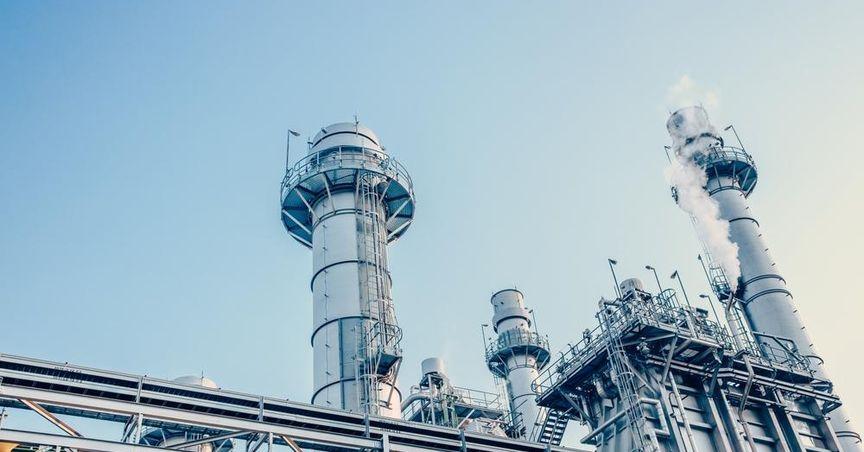
Industrial equipment remains central to digital infrastructure as reliable power systems support expanding data centers, connecting traditional machinery with the energy demands of modern computing.
Caterpillar (NYSE:CAT) has long been known for the machinery that builds roads, mines resources, and supports large construction projects, but its role in the digital economy is now drawing fresh attention. Caterpillar is a heavy equipment and power systems company whose engines and turbines help generate electricity for critical facilities. As data centers demand steady and dependable energy, this traditional industrial name is gaining a new connection to the digital buildout within the Dow Jones Industrial Average.
Digital Power Demand
The digital economy depends on more than servers, chips, and cloud platforms. Behind every data center is a physical network of power systems, cooling equipment, backup generation, and durable infrastructure.
Data centers require electricity that must remain steady at all times. Even a brief interruption can affect systems that support cloud services, artificial intelligence workloads, enterprise software, financial platforms, and communication networks.
This is where power generation equipment becomes essential. Engines and turbines can support on-site and backup power needs, helping facilities maintain continuity when grid reliability becomes a concern.
Caterpillar's presence in this space shows how the digital economy reaches far beyond technology companies. It also depends on industrial equipment makers that create the machinery keeping physical infrastructure operational.
Beyond Heavy Machinery
Caterpillar (NYSE:CAT) is a global manufacturer of construction equipment, mining machinery, diesel and natural gas engines, industrial gas turbines, and power generation systems.
The company is widely associated with bulldozers, excavators, loaders, mining trucks, and earthmoving equipment. That image remains central to its identity, but it does not fully capture the breadth of its operations.
Its engine and turbine business gives the company exposure to power generation markets. These systems are used in facilities that require dependable electricity, including remote operations, industrial sites, hospitals, utilities, and data centers.
This broader equipment range helps Caterpillar remain relevant across several major infrastructure themes. The same engineering culture that supports machines in construction and mining also supports power systems used in critical facilities.
Data Center Role
Data centers are among the most energy-intensive parts of the modern economy. They must support constant computing activity, large-scale storage, and advanced processing workloads.
As artificial intelligence adoption grows, energy demand from these facilities has become a larger market theme. Training and operating advanced computing systems require significant electricity, and that need extends to backup and on-site generation.
Caterpillar's engines and turbines are relevant because they can help facilities meet reliability requirements. In data center operations, dependable power is not optional. It is a core part of facility design.
The company does not need to be a chipmaker or software platform to participate in this trend. Its role comes through the physical systems that keep digital infrastructure running.
Industrial Strength Matters
Caterpillar's advantage comes from its long experience building durable machinery for demanding environments. Construction sites, mines, energy facilities, and industrial operations require equipment that can perform under pressure.
That durability matters in power generation as well. Data centers need equipment that can respond when needed and operate reliably under critical conditions.
The company's manufacturing scale, engineering depth, and service network also support its position. Heavy equipment customers often need long-term maintenance, replacement parts, and technical support across the equipment life cycle.
This support structure can be important for facilities where reliability is central to operations. It gives Caterpillar a broader role than simply delivering machinery.
Engines And Turbines
The power generation side of Caterpillar includes engines and turbines designed for electricity generation across many settings.
These systems can support primary power, standby power, and distributed energy applications. For data centers, backup power is especially important because operators must protect against outages and service interruptions.
The growing scale of digital infrastructure has increased attention on the equipment behind power reliability. While much of the market conversation focuses on chips, servers, and cloud demand, the physical energy layer is equally important.
Caterpillar's engine and turbine portfolio places the company within that layer. It helps connect a traditional industrial stock sector business to one of the most important infrastructure themes in the modern economy.
Construction Still Counts
Although data center power has become a notable theme, Caterpillar remains deeply tied to construction and mining markets.
The company supplies machinery used to build roads, prepare land, support resource extraction, and develop large infrastructure projects. These areas remain foundational to its business identity.
Construction demand can shift with economic conditions, project timing, and infrastructure spending patterns. Mining demand can also move with commodity cycles and resource development plans.
This makes diversification important. Caterpillar's presence across equipment, engines, turbines, parts, and services helps the company address multiple end markets rather than relying on a single demand source.
Reliability Is Central
Reliability is one of the most important requirements in both heavy equipment and power generation.
A machine used in a mine must operate in harsh conditions. A generator supporting a critical facility must be ready when needed. A turbine used for power generation must meet demanding performance expectations.
Caterpillar's long-standing reputation is built around equipment that performs in difficult environments. That reputation helps explain why its power systems are being viewed through the lens of data center reliability.
As digital workloads expand, the need for stable electricity becomes more visible. That creates a stronger link between data centers and industrial equipment makers.
Market Narrative Shifts
Caterpillar's story is no longer limited to construction cycles and mining activity. The company is increasingly being discussed as part of the broader energy and infrastructure conversation.
That shift does not replace its traditional business. Instead, it adds another layer to how the company is viewed.
Data centers are physical assets. They need steel, concrete, electrical systems, cooling solutions, generators, turbines, and backup equipment. This makes industrial companies part of the digital story in a practical and essential way.
Caterpillar sits within that connection because its equipment supports both physical construction and energy reliability.
Competitive Landscape
Caterpillar competes across construction equipment, mining machinery, engines, turbines, and power systems.
Competition in these markets often depends on durability, engineering quality, service reach, customer trust, and equipment performance. Customers in demanding industries typically value reliability and long-term support.
In power generation, the data center opportunity brings additional attention to companies capable of supporting critical energy needs.
Caterpillar's broad product range and recognizable brand help it remain a major name in the industrial equipment space. Its power systems business adds another dimension as digital infrastructure continues expanding.
Business Balance
A diversified industrial company must manage different demand patterns across its operations.
Construction activity can vary by region. Mining projects can depend on resource markets. Power generation demand can be shaped by industrial activity, infrastructure needs, and reliability concerns.
Caterpillar's strength comes from operating across these connected but distinct areas. Its equipment serves the physical economy, while its power systems increasingly support the digital economy.
That balance gives the company relevance across both traditional and emerging infrastructure themes.
Digital Era Machinery
The rise of data centers has highlighted a simple truth: the digital world depends on physical machinery.
Servers may process data, but power systems keep facilities running. Artificial intelligence may draw attention, but energy infrastructure supports its growth. Cloud platforms may operate online, but their physical footprint depends on industrial equipment.
Caterpillar's engines and turbines help illustrate this connection. The company remains rooted in heavy machinery, yet its equipment now carries new relevance in conversations about digital infrastructure.
This makes Caterpillar a notable example of how industrial companies can find fresh importance as technology-driven energy demand grows.
Long-Term Relevance
Caterpillar (NYSE:CAT) role in the data center era reflects the changing nature of infrastructure.
The modern economy needs construction equipment to build facilities, mining machinery to extract resources, and power systems to support operations. Caterpillar participates across these areas through its diversified equipment portfolio.
As data centers expand and reliability requirements become more important, the machinery behind power generation may continue drawing attention.
The company's story shows that digital growth is not only about software and chips. It also depends on engines, turbines, equipment support, and industrial capability.
