
 AUS
AUS
 NZ
NZ
 UK
UK
 CA
CA
 USA
USA
 IND
IND




Highlights
- Honeywell remains one of the most diversified industrial companies.
- Structural transformation continues attracting market attention.
- Streamlining efforts reflect broader industrial sector trends.
Honeywell's transformation highlights how industrial companies are adapting through streamlining, focus, and structural evolution.
Honeywell (NASDAQ:HON) has become a focal point in discussions surrounding industrial transformation as established corporations increasingly reevaluate how they are organized for the future. The company has long been recognized for its broad portfolio of businesses spanning multiple industries and technologies. As a member of the S&P 500, Honeywell continues drawing attention due to its efforts to reshape its structure while maintaining exposure to a diverse range of end markets. These developments highlight how large industrial organizations are adapting to evolving economic conditions and changing competitive landscapes.
Broad Industrial Footprint Remains
Honeywell's diversified operating model has historically been one of its defining characteristics. The company participates in numerous industries, giving it exposure to a wide variety of business cycles and economic trends.
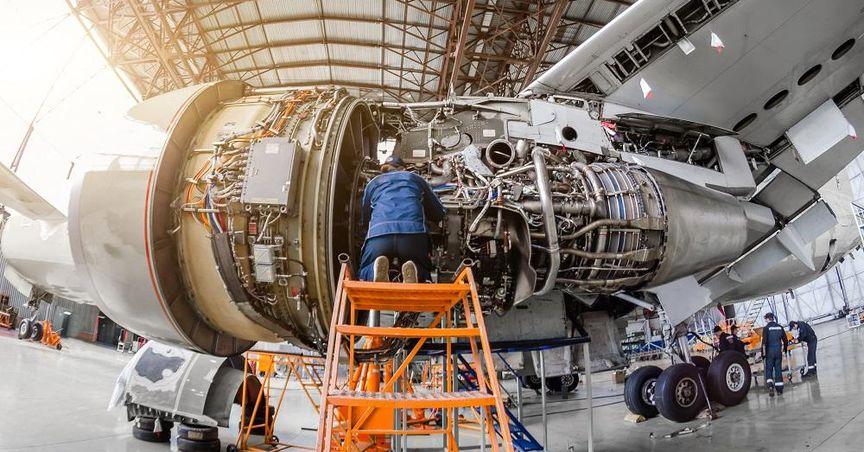
This broad footprint has often been viewed as a source of resilience because it reduces dependence on any single market segment. Through its various operations, Honeywell serves customers involved in manufacturing, aviation, automation, building technologies, and energy-related activities.
The company's ability to operate across multiple sectors has contributed to its longstanding position within the industrial landscape. This diversity has also enabled Honeywell to adapt to changing market conditions while maintaining relevance across different economic environments.
Strategic Structure Takes Focus
One of the most significant themes surrounding Honeywell in recent years has been its willingness to evaluate its organizational structure. Across the industrial sector, many companies have reassessed whether their existing portfolios remain aligned with future growth opportunities.
For Honeywell, these discussions have centered on creating greater clarity around business operations and ensuring that different segments can pursue opportunities with a more focused approach.
The idea behind structural simplification is not unique to Honeywell. Many large industrial organizations have explored ways to streamline operations, refine priorities, and improve strategic flexibility. Such efforts often reflect a desire to position businesses more effectively for evolving market conditions.
Industrial Sector Continues Evolving
The broader industrial stock sector has undergone significant transformation as technological innovation and changing customer demands reshape traditional business models.
Many established companies have found themselves balancing the benefits of diversification with the advantages of increased focus. This balancing act has encouraged a growing number of industrial organizations to reconsider how their businesses are organized.
Honeywell's ongoing transformation reflects this wider industry trend. As competition intensifies and technology becomes increasingly important, industrial companies continue seeking ways to improve efficiency, strengthen operations, and sharpen strategic direction.
Refocusing For Long-Term Growth
Refocusing efforts often involve evaluating which businesses align most closely with long-term objectives. For diversified companies, this process can lead to a clearer strategic identity and improved operational alignment.
Honeywell's efforts to reassess its structure reflect a broader emphasis on positioning the company for future opportunities rather than relying solely on historical operating models.
As industrial markets continue evolving, companies increasingly seek organizational structures that support agility, efficiency, and focused execution. These priorities have become especially important as businesses respond to technological advancement and changing customer requirements.
Honeywell's approach highlights how established corporations can adapt while preserving the strengths that helped build their market positions over time.
Technology Drives Transformation
Technology continues playing an increasingly important role across the industrial landscape. Automation, digital connectivity, advanced analytics, and intelligent systems have become central themes influencing industrial operations.
Honeywell's exposure to technology-driven markets has helped position the company within sectors experiencing ongoing innovation. The growing importance of digital capabilities has encouraged many industrial organizations to reconsider how they allocate resources and structure their businesses.
As technology becomes more deeply integrated into industrial operations, companies are increasingly focused on improving efficiency, enhancing productivity, and creating new solutions for customers.
These developments continue influencing strategic decisions throughout the industrial sector and contribute to the ongoing transformation of large diversified organizations.
Future Direction Remains Important
The future direction of Honeywell (NASDAQ:HON) remains an important topic for market observers interested in industrial transformation and corporate evolution. The company's willingness to evaluate its structure reflects an understanding that long-term success often requires adaptation.
Rather than remaining tied to traditional organizational models, many industrial companies continue exploring ways to strengthen focus and improve operational effectiveness.
Honeywell's experience illustrates how established businesses can respond to changing market dynamics while preserving the advantages of scale, expertise, and diversified operations. As the industrial sector continues evolving, the company's transformation efforts may offer insights into how large organizations prepare for the next chapter of growth and development.
