
 AUS
AUS
 NZ
NZ
 UK
UK
 CA
CA
 USA
USA
 IND
IND




Highlights
- Factory construction is lifting automation demand.
- Reshoring is reshaping industrial supply chains.
- Robotics and power systems remain central themes.
Domestic factory expansion and automation adoption are reshaping industrial demand, supporting robotics, electrical infrastructure, machinery, and connected manufacturing systems across a longer-cycle industrial transformation.
American manufacturing is entering a new phase as reshoring, automation, and power infrastructure reshape the industrial landscape. Caterpillar (NYSE:CAT), a global construction and mining equipment manufacturer, stands at the center of this shift as domestic factory expansion gains momentum. The wider S&P 500 narrative is also being influenced by companies tied to factory equipment, robotics, electrical systems, and industrial software.
Factory Revival Gains Market Attention
The reshoring story has moved beyond policy discussion and into real industrial activity. Companies are reconsidering long global supply chains after years of logistical disruption, tariff pressure, and rising demand for more reliable domestic production networks.
This shift is supporting a fresh industrial narrative. Factory construction has remained elevated, while automation adoption continues to expand as manufacturers look for efficiency, consistency, and cost control.
Unlike earlier reshoring cycles, the current movement is being supported by several forces at the same time. Supply chain resilience has become a boardroom priority. Domestic content rules have encouraged local production. Automation technology has also matured enough to make high-output domestic manufacturing more practical.
Caterpillar Expands Domestic Manufacturing
Caterpillar has become a bellwether for the American industrial revival. The company’s decision to expand domestic manufacturing capacity reflects a broader shift toward production closer to end markets.
The company’s equipment portfolio is tied to construction, mining, engines, and power systems. That makes it exposed to several structural demand themes, including infrastructure upgrades, energy projects, data centers, and industrial expansion.
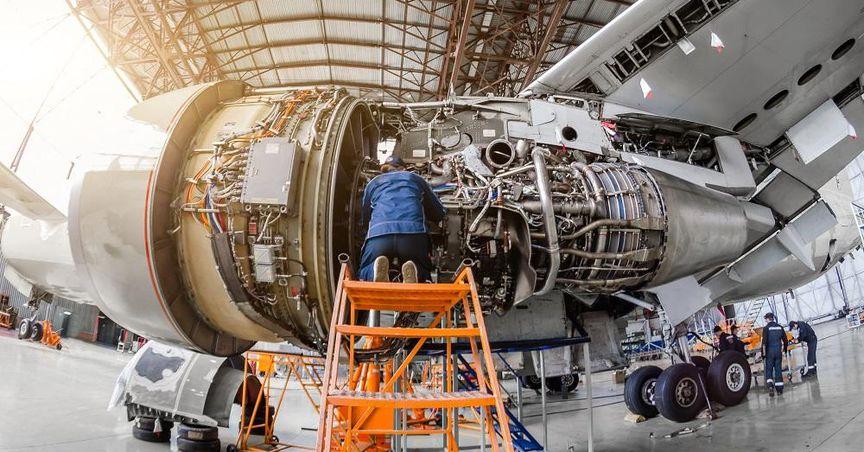
Caterpillar’s engine operations are especially relevant in the current environment. Large facilities, data centers, mining sites, and energy projects often require reliable backup and prime power systems. As demand for power reliability rises, the company’s engine and equipment capabilities remain closely connected to the broader factory and infrastructure buildout.
Automation Strengthens Factory Economics
Automation is a central reason reshoring has become more practical. Domestic manufacturing faces skilled labor shortages and higher operating costs, making automated systems essential for new production facilities.
Rockwell Automation (NYSE:ROK) is an industrial automation and digital transformation company that provides control systems, sensors, drives, and manufacturing software.
Rockwell’s technology sits at the operational core of modern factories. Its programmable controls, connected devices, and software platforms help manufacturers improve productivity, monitor equipment, and manage production lines more efficiently.
As new factories are built, automation is no longer an optional upgrade. It is often included from the design stage, making companies like Rockwell important participants in the reshoring cycle.
Industrial Software Shapes Factories
Emerson Electric (NYSE:EMR) is an industrial technology company focused on automation systems, measurement tools, and software used across process industries.
The company has sharpened its focus on industrial automation and software, aligning itself with the digital factory transition. Its systems are used in sectors such as energy, chemicals, life sciences, and food production, where precision and reliability are critical.
The move toward connected manufacturing has increased demand for software-supported operations. Factories now depend on real-time data, predictive maintenance, and energy monitoring to improve performance.
This shift gives industrial software a larger role in manufacturing strategy. It also connects the industrial sector with the broader technology stock theme, as software becomes more embedded in physical production systems.
Eaton Benefits From Electrification
Eaton Corporation (NYSE:ETN) is a power management company that supplies electrical components, switchgear, circuit protection, and energy management systems.
Eaton sits at a critical point in the industrial buildout because every modern factory, data center, and grid-connected facility needs dependable electrical infrastructure.
Demand for transformers, switchgear, and power management equipment has remained elevated as electrification expands. Lead times across parts of the electrical equipment market have highlighted how tight supply conditions remain.
For Eaton, this backdrop creates a durable order environment. Grid modernization, factory electrification, and data center growth all require the type of equipment the company provides.
Power Infrastructure Becomes A Bottleneck
The manufacturing revival is not only about factories and machinery. It is also about electricity.
Modern production facilities require more power, better reliability, and stronger grid connections. Data centers, advanced manufacturing sites, and electrified industrial operations all depend on power infrastructure that can support continuous operations.
This is why electrical systems have become a core part of the reshoring discussion. Without transformers, switchgear, circuit protection, and energy management systems, new industrial projects can face delays.
The same trend also supports demand across Infra real estate, where industrial buildings, logistics sites, and power-connected assets increasingly depend on upgraded electrical capacity.
Robotics Support Domestic Production
Robotics and machine vision are also becoming more important in the new factory model.
ABB Ltd. (NYSE:ABB) is an automation and electrification company that provides robotics, motion systems, and industrial technologies for manufacturers and utilities.
Cognex Corporation (NASDAQ:CGNX) is a machine vision company that supplies visual inspection and automation technologies used in factories and logistics operations.
Robots, automated guided systems, and machine vision tools help manufacturers reduce errors, improve speed, and operate with fewer manual bottlenecks. These technologies are especially valuable in markets where skilled labor remains limited.
As reshored factories are designed for higher efficiency, robotics and vision systems are likely to remain important parts of the industrial supply chain.
Trade Policy Adds Strategic Urgency
Tariff pressure has played a role in reshoring decisions, but the story is broader than trade rules alone.
Manufacturers are increasingly focused on resilience. The disruption caused by long supply chains, concentrated supplier bases, and shipping delays has changed how companies evaluate production locations.
Even when trade policy shifts, the strategic value of diversified manufacturing remains clear. Companies are increasingly placing more weight on supply certainty, response time, and operational control.
This helps explain why domestic factory expansion has continued despite macro uncertainty. The decision to localize production is no longer only about cost. It is also about reliability and business continuity.
Skilled Labor Remains A Key Challenge
The reshoring movement also depends on workforce development.
Factories cannot operate on automation alone. They require technicians, engineers, operators, maintenance specialists, and skilled trades workers who understand advanced equipment and digital systems.
Manufacturers are increasingly working with training programs, technical institutions, and apprenticeship models to develop this workforce. These efforts are essential because the pace of factory construction has increased demand for skilled labor across the industrial economy.
Automation can reduce some labor pressure, but it also creates demand for a more technical workforce. The factory floor is becoming more digital, connected, and data-driven.
Industrial Stocks Face Macro Headwinds
The industrial sector is not without challenges. Elevated Treasury yields can pressure capital-intensive businesses by increasing financing costs. A stronger dollar can also affect companies with large international operations.
However, the reshoring and automation narrative has shown resilience across changing macro conditions. Factory construction, grid upgrades, and domestic supply chain redesign are long-cycle themes rather than short-term market reactions.
This distinction matters because industrial demand linked to infrastructure and automation tends to unfold over time. Companies tied to power systems, factory equipment, robotics, and software may continue to attract attention as reshoring programs advance.
Manufacturing Narrative Keeps Expanding
The new American factory is not simply a building filled with machines. It is a connected industrial stock platform that combines equipment, software, robotics, electrical systems, and skilled labor.
Caterpillar reflects the machinery and power side of the story. Rockwell Automation represents connected factory controls. Emerson Electric highlights industrial software and process automation. Eaton shows the importance of electrical infrastructure. ABB and Cognex add robotics and machine vision exposure.
Together, these companies illustrate how reshoring is creating a broader industrial ecosystem. Domestic manufacturing revival is not a single-company story. It is a multi-layered shift affecting equipment makers, automation providers, electrical suppliers, and digital factory technology firms.
