
 AUS
AUS
 NZ
NZ
 UK
UK
 CA
CA
 USA
USA
 IND
IND





Highlights
- Infrastructure spending keeps industrial names in focus.
- Electrification demand supports equipment-related themes.
- Tariffs and rate policy remain key sector variables.
Infrastructure spending, electrification demand, aerospace recovery, tariffs, and Federal Reserve policy expectations are shaping attention across major US industrial companies and their operating outlook.
US industrial stocks are moving back into the spotlight as infrastructure spending, electrification demand, and macro policy expectations shape a fresh market narrative. Caterpillar Inc. (NYSE:CAT), a global construction and mining equipment company, remains closely tied to heavy machinery demand as markets track industrial exposure within the S&P 500. With the Federal Reserve’s June meeting approaching and tariff pressures still affecting supply chains, large industrial names are being viewed through a sharper lens of cost control, capital spending, project demand, and balance-sheet strength.
Industrial Momentum Builds
The industrial sector has gained renewed attention as US markets stabilized after a volatile stretch. Easing geopolitical tension helped improve sentiment, while pressure in parts of the technology space paused after a difficult phase for chip-linked names. This shift opened room for economically sensitive sectors to draw stronger market interest.
Industrials often reflect the health of broad capital spending. When companies, governments, and infrastructure planners continue funding long-term projects, demand can flow into equipment, aerospace systems, automation tools, power products, and building technologies. That makes the sector important during periods when markets search for durable themes outside fast-moving technology trades.
The latest industrial conversation is not only about growth. It also includes tariffs, financing costs, input prices, and operating discipline. Companies with strong execution may stand apart when macro conditions become more complex.
Infrastructure Theme Strengthens
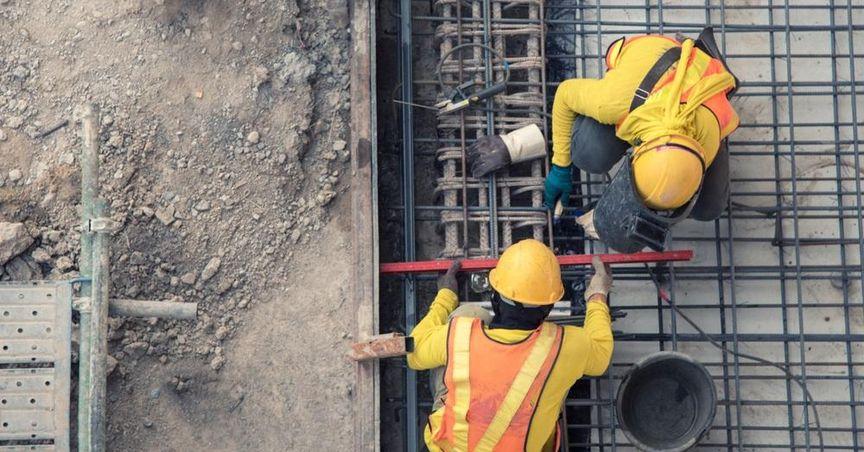
Infrastructure remains one of the most important themes supporting industrial demand. Roads, bridges, energy systems, data centers, and manufacturing facilities all require machinery, components, engineering support, and reliable power systems.
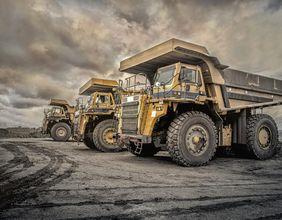
Caterpillar is strongly connected to this theme through construction equipment, mining machinery, engines, and related services. The company’s equipment is used across large-scale projects where durability, productivity, and service support matter.
Infrastructure demand can create a long operating runway for industrial companies, but it also requires careful cost management. Heavy machinery businesses may face pressure from labor costs, component availability, steel prices, and transportation expenses. As a result, execution remains just as important as demand.
Deere’s Agriculture Link
Deere & Company (NYSE:DE), a global agricultural and construction equipment manufacturer, adds another layer to the industrial story through farming technology and large equipment demand. Its business connects agriculture, productivity, automation, and equipment replacement cycles.
Food security and farm efficiency remain important global themes. Farmers and agricultural businesses continue evaluating equipment that can improve productivity and support modernized operations. Deere’s precision agriculture tools and machinery place it within that conversation.
At the same time, agricultural equipment demand can be influenced by crop conditions, farm income, financing rates, and input costs. Tariffs and component pricing may also affect production economics. This makes Deere an important industrial name to monitor when assessing how agriculture and machinery cycles intersect.
Aerospace Recovery Arc
Aerospace remains another important part of the industrial sector. Aircraft demand, engine maintenance, defense spending, and production recovery all influence companies tied to aviation.
GE Aerospace (NYSE:GE), an aircraft engine and aerospace systems company, is closely linked to jet engine manufacturing and long-term service contracts. This gives the business exposure to both new engine demand and maintenance activity across existing fleets.
Aerospace companies often benefit from long product cycles and service agreements, but they must also manage complex supply chains. Engine parts, specialized materials, skilled labor, and regulatory requirements can all influence delivery schedules and operating performance.
GE Aerospace remains relevant because aviation demand has continued normalizing, while airlines and defense customers maintain a need for reliable equipment and long-term service support.
Boeing’s Complex Path
Boeing Company (NYSE:BA), a major aerospace and defense manufacturer, remains one of the most closely followed industrial names because of its role in commercial aircraft production and defense programs.
The company’s market story is more complex than many industrial peers. Production quality, regulatory oversight, delivery timelines, supplier coordination, and customer confidence remain key factors. Even when long-term aircraft demand remains strong, execution challenges can shape near-term sentiment.
Boeing’s position in aerospace makes it important to the broader industrial sector. Aircraft fleet renewal, defense procurement, and global aviation traffic all contribute to its demand backdrop. However, the company must continue demonstrating progress across production systems and regulatory requirements.
Electrification Demand Expands
Electrification has become a powerful theme across industrial markets. Data centers, grid upgrades, building systems, renewable energy projects, and advanced manufacturing facilities all require power management equipment.
This trend has created stronger attention around companies that provide electrical components, automation tools, and energy management systems. The rise of artificial intelligence-linked data center construction has further increased focus on reliable power infrastructure.
The electrification theme also connects with the broader Infra real estate landscape, where buildings, grids, logistics facilities, and large projects increasingly require modern electrical systems.
Industrial companies with exposure to power distribution and automation may remain central to this theme as capital spending continues moving toward energy efficiency and infrastructure modernization.
Honeywell’s Automation Role
Honeywell International Inc. (NASDAQ:HON), a diversified industrial technology company, operates across automation, aerospace, building controls, and industrial systems. Its portfolio gives it exposure to several upgrade cycles at once.
Building automation remains important as companies and property operators seek better energy efficiency, safety, and operational control. Industrial automation also supports productivity across manufacturing and logistics environments.
Honeywell’s broad exposure makes it a key name in discussions about modernization. Its business connects traditional industrial demand with technology-enabled systems that support smarter buildings and more efficient operations.
The company also has aerospace exposure, adding another dimension to its industrial profile.
Eaton’s Power Position
Eaton Corporation plc (NYSE:ETN), a global power management company, is closely tied to electrification, electrical systems, and grid-related demand. Its products support power distribution, energy management, and critical infrastructure.
Eaton is often viewed as one of the major industrial beneficiaries of electrification because its equipment is needed in data centers, commercial buildings, industrial facilities, and energy projects.
As demand for power reliability grows, companies involved in electrical infrastructure are gaining attention. Eaton’s role in managing and distributing power places it directly within this long-term shift.
The company’s market profile is supported by trends in data center expansion, grid modernization, renewable integration, and building electrification.
Tariff Pressure Remains
Tariffs remain a major variable for industrial companies. Many businesses in the sector depend on globally connected supply chains that include steel, aluminum, electronics, machinery parts, and specialized components.
Higher tariff costs can affect margins, supplier decisions, sourcing strategies, and pricing actions. Some companies may manage pressure through contract structures or operational efficiencies, while others may face more direct cost challenges.
The impact is not equal across the sector. Companies with larger domestic production bases may experience different pressures than those more dependent on imported components. Businesses with strong supplier relationships may also have more flexibility when conditions change.
For industrial names, trade policy remains a factor that can quickly reshape expectations.
Fed Policy Factor
The Federal Reserve’s June meeting adds another layer to the industrial backdrop. Interest rates matter because industrial projects often involve large financing needs, long planning cycles, and capital-intensive investment decisions.
Higher borrowing costs can make companies more cautious about major equipment purchases or construction projects. Softer rate expectations may improve confidence around long-duration spending plans.
For equipment makers, aerospace suppliers, automation companies, and power management businesses, financing conditions can influence customer demand. That is why rate policy remains closely tied to industrial valuation and sentiment.
The key issue is not only the Fed’s decision, but also the tone around future policy direction.
Valuation And Execution
Industrial stocks are often evaluated through a mix of earnings quality, backlog visibility, margin discipline, cash generation, and capital allocation. In a complicated macro environment, execution can matter more than broad sector enthusiasm.
Companies with strong project demand may still face pressure if costs rise faster than revenue. Businesses with solid order books must still deliver products efficiently and manage supply chains carefully.
Execution separates companies that can convert demand into measurable progress from those facing operational bottlenecks. Across the industrial sector, that distinction is becoming increasingly important.
Sector Breadth Matters
One reason industrial stocks remain widely followed is the sector’s breadth. The group includes construction equipment, agricultural machinery, aerospace systems, building automation, electrical products, and power management solutions.
This means not every company responds to the same market driver. Caterpillar may be more exposed to construction and mining trends, while Deere is tied to agriculture and equipment cycles. GE Aerospace and Boeing are more connected to aviation, while Honeywell and Eaton have stronger exposure to automation and electrification.
The sector’s diversity can create several different market stories within a single theme. Infrastructure and electrification may support the broader backdrop, but each company still depends on its own execution, cost structure, and customer demand.
