
 AUS
AUS
 NZ
NZ
 UK
UK
 CA
CA
 USA
USA
 IND
IND






Highlights
- Gold production remains the core activity across a globally diversified mining portfolio.
- Operations span major mining districts in North America, Africa, the Middle East, and Latin America.
- Copper production adds exposure to another widely used industrial metal.
NYSE Composite provides relevant context for large multinational mining companies operating across multiple regions. Barrick (NYSE:GOLD) operates within the gold mining sector, with activities that include mineral exploration, mine development, production, and processing. The sector remains closely connected to precious-metals demand, resource development, and long-term mine management. The company maintains a portfolio of producing mines and development projects distributed across several continents.
Global Mining Footprint
The company maintains operations in jurisdictions that include Canada, the United States, the Dominican Republic, Argentina, Mali, Côte d’Ivoire, Tanzania, Pakistan, Saudi Arabia, and Zambia. This geographic spread supports production from multiple mining districts rather than reliance on a single region.
Mining assets include both wholly owned operations and joint ventures. Several sites rank among the larger gold-producing mines within the global industry. The portfolio structure reflects a combination of mature producing assets and projects advancing through various stages of development.
Core Gold Production Activities
Gold remains the principal commodity produced across the asset base. Activities begin with geological exploration aimed at identifying mineral deposits. Once economically viable deposits are defined, development work includes engineering, infrastructure construction, permitting, and mine preparation.
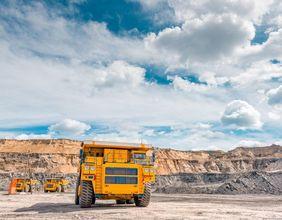
Production activities involve extracting ore from open-pit and underground mines, followed by processing to recover gold. Ongoing operational work includes resource evaluation, maintenance, environmental management, and site rehabilitation programs where required.
Gold output from multiple regions places the company among the larger participants in the global gold-mining industry.
Copper Operations and Development
In addition to gold, copper contributes an important component of overall production. Copper assets are located in regions that include Zambia and Saudi Arabia.
Copper is widely used in electrical systems, transportation networks, industrial equipment, and infrastructure projects. Development of copper resources has become a notable feature of the company’s asset portfolio, reflecting the importance of diversified mineral production among major mining groups.
Several development projects contain both gold and copper resources, creating multi-metal production profiles that distinguish them from single-commodity operations.
Major Assets and Projects
Among the most significant assets is the Nevada Gold Mines joint venture in the United States. The operation combines multiple mining complexes and processing facilities within one of the world's most established gold-producing regions.
The company also holds interests in major projects such as Reko Diq in Pakistan, a large copper-gold development. Progress at such projects involves engineering studies, infrastructure planning, regulatory approvals, and construction activities extending across multiple years.
A second reference to Barrick (NYSE:GOLD) appears frequently in discussions surrounding large-scale gold and copper developments because of the size and geographic diversity of its asset base.
Industry Position Within the Mining Sector
Large mining companies compete through mineral resource quality, production capacity, operational efficiency, project development, and geographic diversification. Gold producers operate alongside peers located throughout North America, Australia, Africa, and Latin America.
Within the broader mining landscape, scale remains an important characteristic. Large operators often manage extensive exploration programs, processing infrastructure, transportation networks, and workforce requirements across numerous jurisdictions.
The company’s portfolio includes long-life assets that support sustained production activity while development projects contribute additional resources for future mine planning and operational continuity.
Sustainability and Environmental Practices
Modern mining operations involve environmental monitoring, water management, land stewardship, and community engagement programs. Mining companies must work within regulatory frameworks established by national and regional authorities.
Environmental activities typically include biodiversity management, emissions monitoring, tailings management, and reclamation planning. Community programs may focus on education, infrastructure, workforce training, and local business participation around mining districts.
Such initiatives have become standard components of large-scale mining operations worldwide as regulatory expectations continue evolving.
Connection to the Broader Market
The gold-mining industry often attracts attention when precious-metal prices experience notable movements. Gold remains a globally traded commodity used in jewelry, technology applications, and central-bank reserves.
Within the context of the NYSE Composite, large mining companies represent a distinct segment of publicly listed resource producers. Their operational performance is influenced by mining activity, production volumes, resource development, and project execution across multiple jurisdictions.
Mining companies also contribute to industrial supply chains through production of metals required for manufacturing, construction, transportation, and energy-related infrastructure.
Ongoing Operational Developments
Exploration remains a continuous activity across many mining districts. Geological drilling programs help define new resources, extend mine life, and support long-term planning. Processing facilities regularly undergo upgrades intended to maintain operational reliability and production capability.
Development work at large-scale projects involves collaboration among engineering teams, contractors, regulatory bodies, and local stakeholders. These activities can span several years before commercial production begins.
As one of the larger resource producers associated with the NYSE Composite, the company continues managing producing assets while advancing selected gold and copper projects across its international portfolio.
