
 AUS
AUS
 NZ
NZ
 UK
UK
 CA
CA
 USA
USA
 IND
IND





Highlights
- Gold mining operations span multiple continents and mineral assets.
- Production activities include gold alongside selected by-product metals.
- Global mining trends continue shaping the precious metals sector.
Newmont Corporation Newmont Corporation (NYSE:NEM) operates within the gold mining sector and remains one of the world's largest gold producers. As a constituent of the S&P 500, the company maintains a significant presence across the global mining industry through exploration, mine development, extraction, processing, and reclamation activities. Its operations contribute to the broader precious metals landscape while also placing the company among widely followed Gold Stocks .
Global Mining Footprint
The S&P 500 includes companies from multiple industries, with Newmont representing the gold mining segment through an extensive portfolio of operating mines and development projects. Mining assets are located across North America, South America, Australia, Africa, and Papua New Guinea, creating broad geographic diversification.
Major producing operations include Carlin, Cortez, Turquoise Ridge, Cripple Creek & Victor, Yanacocha, Merian, Boddington, Tanami, Ahafo, and Cadia through joint venture participation. These operations collectively support annual gold production while supplying additional metals from selected deposits.
Core Business Activities
Mining operations begin with geological exploration designed to identify economically recoverable mineral resources. Following exploration, activities extend into mine planning, construction, ore extraction, mineral processing, refining arrangements, environmental management, and site rehabilitation.
Besides gold, selected operations also produce copper, silver, zinc, and lead. These by-product metals contribute additional output from several mining complexes where mineral deposits contain multiple commercially recoverable resources.
Processing techniques vary according to ore characteristics and include open-pit mining, underground mining, milling, flotation, and leaching technologies designed for different geological conditions.
Mineral Assets and Development Projects
The company manages a combination of producing mines, expansion projects, and exploration properties. Resource replacement remains an important component of long-term mining operations, making exploration drilling and geological evaluation continuous activities across multiple jurisdictions.
Development projects typically progress through feasibility studies, engineering work, permitting, infrastructure construction, and commissioning before commercial production begins. These stages require extensive technical evaluation due to varying geological formations and mining conditions.
Reclamation planning also forms part of mine development, with land restoration activities incorporated throughout operational lifecycles.
Industry Position
Within the global mining industry, scale distinguishes major producers from smaller operators. Large mining groups generally operate multiple mines across several countries, reducing dependence on a single asset or jurisdiction.
Gold mining companies remain closely connected to trends affecting mineral exploration, operational efficiency, processing technology, workforce management, and environmental stewardship. Continued technological improvements have introduced greater automation, digital monitoring systems, remote operations, and advanced geological modelling throughout modern mining.
The sector also emphasizes responsible water management, tailings storage, biodiversity protection, and emissions reduction as mining practices continue evolving worldwide.
Operational Presence Across Continents
Operations extend across diverse geological environments that include deserts, mountainous regions, forests, and arid landscapes. Each location presents different mining conditions, infrastructure requirements, climate characteristics, and logistical considerations.
Regional production benefits from transportation networks, processing facilities, electricity infrastructure, and established mining expertise. Coordination across numerous operating regions supports consistent production scheduling while accommodating local regulatory frameworks and environmental standards.
Mining complexes frequently include crushers, concentrators, processing plants, waste management systems, workshops, laboratories, and transportation infrastructure supporting day-to-day activities.
Precious Metals Industry Trends
The S&P 500 provides context for large publicly listed mining companies operating alongside businesses from numerous economic sectors. Within precious metals mining, exploration activity remains essential for identifying additional mineral resources capable of supporting future production.
Advances in geoscience, drilling technology, geographic information systems, and artificial intelligence have enhanced mineral discovery capabilities. Remote sensing, satellite imagery, and three-dimensional geological modelling continue improving exploration accuracy across prospective mining districts.
Processing technologies also continue developing through efficiency improvements designed to optimize ore recovery while reducing environmental impacts.
Sustainability and Environmental Practices
Modern mining operations incorporate environmental management throughout project lifecycles. Activities include water recycling, progressive land rehabilitation, biodiversity monitoring, emissions management, waste rock handling, and tailings facility oversight.
Site rehabilitation continues alongside active production at numerous locations, helping restore landscapes following mining activities. Environmental monitoring programs evaluate soil, vegetation, groundwater, and surface water throughout operational phases.
Many mining operations additionally collaborate with surrounding communities regarding infrastructure, education, employment, healthcare, and environmental initiatives consistent with publicly reported sustainability programs.
Products and Commercial Activities
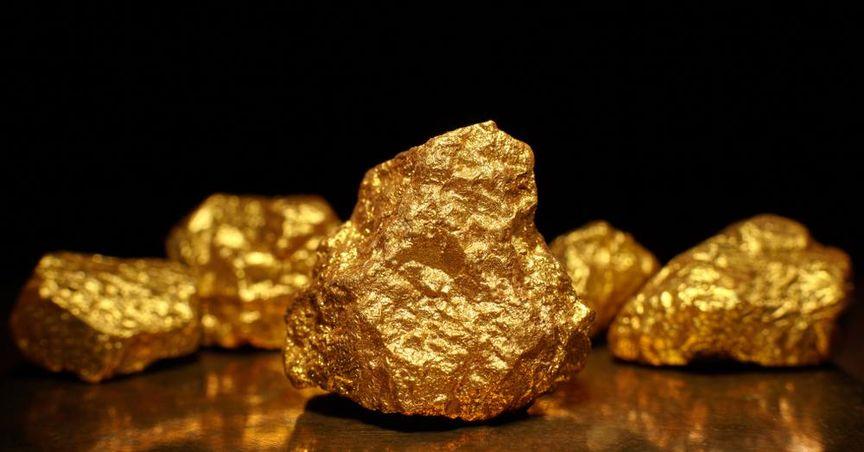
Gold doré bars produced at mine sites typically undergo further refining before reaching commercial markets. Refined gold serves diverse industries including jewellery manufacturing, electronics, medical technology, aerospace applications, and central bank reserves.
Copper produced from selected mining operations supplies electrical infrastructure, renewable energy equipment, transportation systems, telecommunications, and industrial manufacturing. Silver similarly supports electronics, photovoltaics, healthcare applications, and industrial uses.
These diversified mineral products illustrate how mining companies contribute raw materials supporting numerous manufacturing sectors worldwide.
Current Business Profile
Today, Newmont Corporation (NYSE:NEM) continues operating an extensive portfolio of producing mines while advancing selected development projects and exploration activities. Operational priorities include safe mining practices, efficient ore processing, environmental management, resource development, and ongoing site rehabilitation across multiple continents.
As one of the prominent gold producers represented within the S&P 500, the company remains associated with large-scale mining operations, diversified mineral production, and extensive international mining assets that support the broader global precious metals industry.
