
 AUS
AUS
 NZ
NZ
 UK
UK
 CA
CA
 USA
USA
 IND
IND





Highlights
- Offshore energy company reports quarterly earnings miss during active trading session
- Share activity declines following earnings disclosure and operational update release
- Gulf of Mexico focused producer maintains offshore asset development strategy
The offshore energy sector remains a key component of North American resource activity, supporting exploration, development, and production across marine environments. Companies operating in offshore regions manage complex infrastructure.
W&T Offshore Inc operates within the offshore energy sector, where geological evaluation and marine logistics support the extraction of crude oil and natural gas from subsea reservoirs. Within this space, (NYSE:WTI) focuses on exploration and production across offshore properties in the Gulf of Mexico, overseeing producing fields and advancing development through technical capability and operational management. The company’s activities reflect the specialized nature of offshore resource production, where engineering discipline, field coordination, and marine infrastructure remain closely connected to day to day operations. In the broader market setting, sector names such as nyse composite index may appear alongside trading references tied to energy shares.
Market activity surrounding offshore producers often reflects operational performance, commodity conditions, and regional developments in marine exploration. The recent earnings announcement from generated notable market attention as trading volumes increased and share movement shifted following the financial release. The company disclosed quarterly results while also outlining details regarding dividend distribution and changes among institutional participants.
Offshore Energy Sector Overview
Offshore exploration and production activities represent a specialized segment of the broader energy industry. Companies working in this space develop underwater drilling programs, maintain offshore platforms, and oversee transportation systems that move hydrocarbons from offshore reservoirs to processing facilities. These operations require engineering expertise, environmental management, and extensive geological evaluation.
Within the Gulf of Mexico region, offshore producers manage both shallow water and deepwater fields. Shallow water assets typically involve platform installations closer to the coastline, while deepwater developments require advanced drilling systems capable of operating at substantial ocean depths. Companies active in this region frequently pursue acquisitions of producing assets and undeveloped reserves, enabling expansion of resource portfolios while maintaining production infrastructure.
Technological development continues to shape offshore energy extraction. Seismic imaging, subsea production systems, and enhanced reservoir management techniques allow producers to optimize field output and maintain operational reliability across challenging marine environments. Offshore operators rely on skilled technical teams to manage drilling campaigns, monitor reservoir conditions, and coordinate transportation networks.
Within this environment, has established operations focused primarily on Gulf of Mexico assets. The company oversees a collection of producing properties that span both shallow water and deepwater areas, allowing the organization to manage a diverse offshore portfolio.
Quarterly Earnings Report Details
The latest financial disclosure from (NYSE:WTI) revealed earnings performance that fell below consensus expectations during the reporting period. The company reported negative earnings per share for the quarter, with the result trailing market projections according to data referenced by Zacks.
Earnings releases within the offshore energy sector often provide insight into operational efficiency, production levels, and cost management across offshore platforms. These financial updates typically reflect conditions related to drilling activity, maintenance schedules, and field development progress. When offshore producers release quarterly figures, the results can influence market reactions and trading activity.
For the reporting period, the disclosed earnings figure came in lower than the projected estimate. Such outcomes may arise from operational factors including production adjustments, maintenance cycles, or asset performance within offshore fields. Offshore production environments involve complex logistics and technical systems, which can influence quarterly outcomes as companies manage platform operations and reservoir performance.
Energy companies operating in offshore regions also manage long term development programs. These programs often involve exploration drilling, reservoir evaluation, and subsea infrastructure installation. Earnings releases frequently highlight how these operational activities influence financial reporting during specific periods.
The disclosure from occurred during a trading session that saw heightened market activity, with shares moving lower following the earnings update. Market responses to earnings announcements can occur quickly as participants evaluate financial disclosures alongside operational developments across the offshore energy sector.
Market Trading Activity Reaction
Trading activity surrounding shifted noticeably after the earnings announcement. During the following trading session, shares moved downward as market participants reacted to the reported earnings results.
The company experienced a decline in share value during the session, accompanied by elevated trading volume relative to typical activity levels. Increased trading volume often reflects heightened attention from market participants responding to newly released financial information.
Over recent months the stock has traded within a defined range, with fluctuations reflecting broader energy sector dynamics as well as company specific developments. Offshore energy producers frequently experience share movement in response to operational updates, drilling outcomes, and changes in regional production activity.
Moving averages also illustrate the recent trading pattern for the company. The stock has maintained a moderate trend over both shorter and longer term averages, with trading levels shifting around these reference points. Market participants often observe these indicators to understand general trading direction across a given period.
The market capitalization of the company places it among smaller independent offshore exploration and production organizations operating in the Gulf of Mexico. Companies of this scale typically manage focused portfolios of producing properties while pursuing targeted acquisitions that expand resource holdings and operational reach.
The earnings release and resulting trading movement highlight how financial disclosures within the offshore energy industry can influence daily market activity. Changes in share value following earnings announcements remain common as new information becomes available regarding company performance.
Dividend Distribution Announcement Details
Alongside the earnings disclosure, (NYSE:WTI) confirmed details regarding its quarterly dividend distribution. The company announced that a dividend payment will be distributed to shareholders during the scheduled payment period later in the month.
Dividend declarations represent a routine element of corporate financial activity for many energy companies. These distributions allow organizations to return a portion of earnings to shareholders while continuing operational development across exploration and production assets.
For this distribution, shareholders recorded by the designated record date will receive the quarterly payment during the scheduled payout period. The ex dividend date has also been established, marking the cutoff point for eligibility related to the distribution.
Annualized calculations associated with the dividend place the distribution at a modest yield level relative to the current share value. Dividend payout ratios provide additional context regarding how distributions compare with company earnings over time.
Dividend announcements from energy producers often accompany earnings releases, offering additional insight into corporate financial structure and shareholder distributions. Offshore energy companies sometimes maintain smaller dividend levels as operational funds are directed toward platform maintenance, exploration drilling, and infrastructure upgrades.
Through this declaration, continues its established dividend program while maintaining operational focus on offshore production activities within the Gulf of Mexico region.
Gulf Offshore Operations Focus
The operational foundation of (NYSE:WTI) centers on offshore exploration and production within the Gulf of Mexico. The company manages producing assets that span multiple offshore fields, enabling the extraction of crude oil and natural gas through established infrastructure.
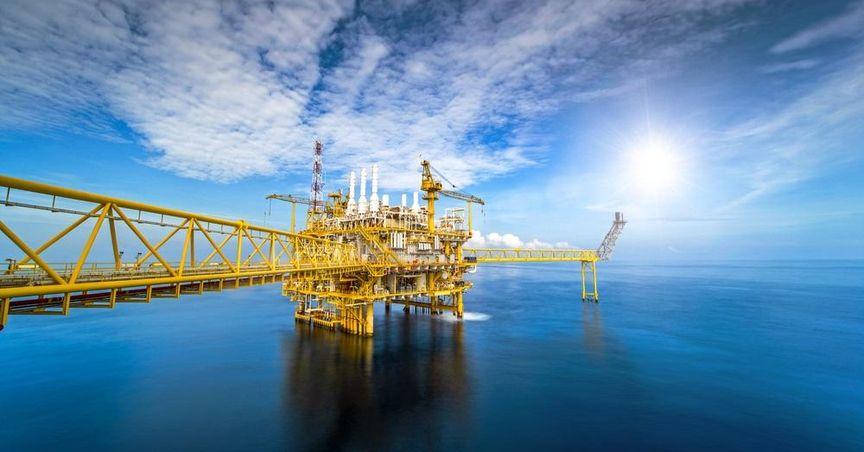
Offshore platforms serve as central hubs for drilling and production activities. These structures support drilling rigs, processing equipment, and transportation systems that move hydrocarbons from subsea reservoirs to onshore facilities. Maintaining these platforms requires continuous monitoring, engineering expertise, and logistical coordination.
The company’s asset portfolio includes both shallow water installations and deepwater developments. Shallow water operations typically involve fixed platforms anchored to the seabed, while deepwater projects may rely on floating production systems and subsea wells connected through underwater pipelines.
Technical expertise plays an essential role in offshore production management. Engineers and geoscientists evaluate reservoir characteristics, plan drilling programs, and monitor production performance across offshore fields. Through these processes, companies aim to optimize output while maintaining operational safety and environmental compliance.
Strategic acquisitions have historically contributed to the company’s growth. Acquiring producing properties or undeveloped reserves allows offshore operators to expand their portfolios and enhance production capacity within established regions.
Through these operational activities, maintains a focused presence in the Gulf of Mexico energy landscape.
Corporate History Development Path
The company traces its origins to the early decades of offshore exploration development in the United States. Headquartered in Covington, Louisiana, the organization has developed expertise in managing offshore properties and advancing field development programs.
Over time the company expanded through acquisitions of producing assets and exploration prospects across the Gulf of Mexico region. These acquisitions allowed the organization to build a portfolio of offshore fields supported by established infrastructure and operational teams.
Corporate strategy has emphasized disciplined development and technical management of offshore resources. By focusing on existing production platforms and nearby exploration prospects, the company aims to maximize output from known reservoirs while evaluating additional drilling opportunities.
Operational teams oversee field management, reservoir monitoring, and maintenance programs across the company’s offshore installations. Coordinating these activities requires collaboration between engineers, geoscientists, marine specialists, and logistics personnel.
The Gulf of Mexico remains a central hub for offshore energy production within North America. Companies operating in this region contribute to regional energy supply through extraction of crude oil and natural gas from offshore reservoirs.
Through its ongoing operations and asset management approach, (NYSE:WTI) continues to maintain a presence within this specialized segment of the energy industry.
Energy Market Trading Context
Energy companies listed on major exchanges participate within broader market indices that track activity across multiple sectors. Offshore exploration firms trade alongside organizations involved in refining, transportation, and energy services.
Market participants frequently observe indicators such as the nyse composite when evaluating overall exchange performance. Broader index movements can reflect trends affecting multiple industries including energy production, industrial activity, and resource development.
Information regarding the nyse composite index provides context for overall trading conditions across listed companies. Energy sector shares may move alongside wider market activity or respond to sector specific developments such as operational announcements or regional production updates.
Daily monitoring of nyse composite today activity often provides insight into the broader direction of equity markets. These indicators help illustrate how energy companies fit within the wider exchange environment.
Within this broader market framework, offshore exploration companies continue to release operational updates, earnings disclosures, and development plans that influence trading activity throughout the sector.
