
 AUS
AUS
 NZ
NZ
 UK
UK
 CA
CA
 USA
USA
 IND
IND






Highlights
- Recent trading showed a sharp rebound after an earlier slide, keeping volatility in focus
- The earnings multiple sits below many large US-listed peers, yet the underlying drivers look uneven
- Medium-term earnings expectations discussed in public commentary point to contraction rather than expansion
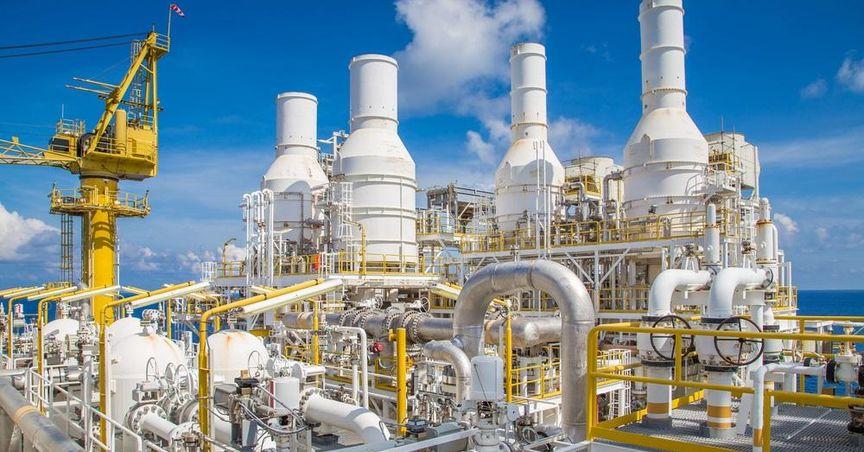
Venture Global operates in the energy space, centred on liquefied natural gas and related infrastructure that connects production, liquefaction, shipping, and delivery into downstream networks.
Venture Global Inc (NYSE:VG) operates in the energy sector, focused on liquefied natural gas operations and related infrastructure. This sector is shaped by contract terms, commissioning and ramp-up timelines, facility reliability, and global supply-chain logistics rather than slow, steady business cycles. Company narratives can shift quickly based on operational execution and broader conditions such as shipping availability, regional demand for power generation and industrial use, and changing gas-market spreads between regions.
In public discussion, has been framed through both short-term trading moves and longer-run questions about how durable its earnings profile can be across changing conditions. When a stock in the LNG segment moves quickly, it can reflect shifting perceptions about project progress, contract performance, and how much earnings strength is repeatable versus tied to specific timing factors. That mix makes the sector headline-driven, especially when large facilities or commercial milestones are involved.
Why did the stock jump?
Recent trading included a notable rebound over a short window, following a period described as weak. Such moves commonly follow a catalyst narrative: sentiment shifts, repositioning after heavy selling, or a reset in expectations after earlier disappointment. In LNG-linked names, rapid moves can also happen when market participants re-weight near-term operational progress, interpret sector signals differently, or respond to changes in the broader energy complex.
That said, a short-window surge does not erase the longer-window decline described in the source material. The same public commentary that noted the rebound also emphasized that the broader period remained painful for longer-term holders. In practical terms, this sets up a situation where optimism about a bounce coexists with unresolved questions about consistency, because the stock’s path has already shown that positive bursts can arrive alongside deep drawdowns.
Does a low earnings multiple matter?
A low earnings multiple can signal a discount relative to peers, but the discount is not automatically favourable. In many cases it reflects uncertainty about the reliability of earnings, the sustainability of current operating conditions, or the likelihood that earnings soften rather than strengthen. In sectors with large projects and complex execution, the multiple often embeds scepticism about how repeatable recent performance is, rather than acting as a simple marker of “cheapness.”
The public commentary described Venture Global’s (NYSE:VG) multiple as sitting below many US-listed companies, while also stating that the multiple alone is not a sufficient guide to company prospects. For the same discussion linked the subdued multiple to expectations that earnings performance could weaken, which would naturally keep enthusiasm in check even after a sharp rebound in the stock.
What did earnings history reveal?
The described earnings record was uneven: a very strong surge over a recent single-year window, alongside a negative aggregate change over a longer multi-year span. This kind of pattern can happen when results are influenced by timing effects, project ramp phases, or unusually strong periods that are difficult to repeat. It can also reflect that the company’s earnings path has not been consistently upward across the broader period being discussed, even if a recent interval looked exceptional.
The public text also highlighted that the longer period did not show the same strength as the latest year, reinforcing the idea that looking at only the most recent interval can mislead. For (NYSE:VG), that tension is central: strong recent performance exists in the record, but it sits alongside a longer pattern that has not demonstrated steady earnings expansion when viewed across the broader time window referenced.
What do estimates currently imply?
The described expectations pointed toward declining earnings over the medium term, while the wider market expectation referenced in the same discussion was for expansion. When a company is expected to shrink while a broader benchmark grows, it often helps explain why the earnings multiple stays restrained. The gap is important because it suggests the company may be treated as a special case with company-specific headwinds rather than as a straightforward beneficiary of a rising tide.
Within that framing, the subdued multiple becomes less about a bargain label and more about a reflection of contraction expectations. Even with a rebound in trading, a multiple can remain muted if the narrative emphasises that the recent earnings pop is not viewed as durable. This is why comparisons to the broader market, and to peer groups, can matter more than the multiple in isolation.
How can sentiment stay cautious?
Caution can persist when the path of results looks volatile and when expectations lean toward weakening earnings rather than strengthening. In LNG infrastructure, sentiment can shift rapidly on operational milestones, but it can also remain guarded if participants believe the company’s strongest period was driven by conditions unlikely to repeat. That can translate into a ceiling on enthusiasm even when the stock stages a notable rebound in a short span.
For (NYSE:VG), the public commentary tied restrained enthusiasm to the idea that the earnings path may not justify a richer multiple. This kind of stance can be reinforced when the discussion focuses on contraction expectations and on the possibility that, absent improvement in results quality, the valuation framework does not re-rate upward simply because the stock rallied over a short interval.
Which LNG factors drive results?
LNG-linked results are shaped by commissioning pace, reliability through ramp-up, and commercial structures that determine how volumes are sold and under what terms. Logistics and delivery constraints also matter, as does how the company navigates variability in global demand, including regional needs tied to power generation and industrial consumption. Broader energy conditions can influence sentiment, but company execution often remains the decisive element in whether earnings look smooth or erratic (NYSE:VG).
To keep this discussion grounded in sector realities, it helps to connect to general context on liquefied natural gas and energy exports, which outline how supply chains, infrastructure, and trade flows influence the broader environment. In that setting, the mixed earnings narrative described in the source material can be read as consistent with a project-and-logistics-driven business, where outcomes can be strong in one interval and weaker over a longer span.
